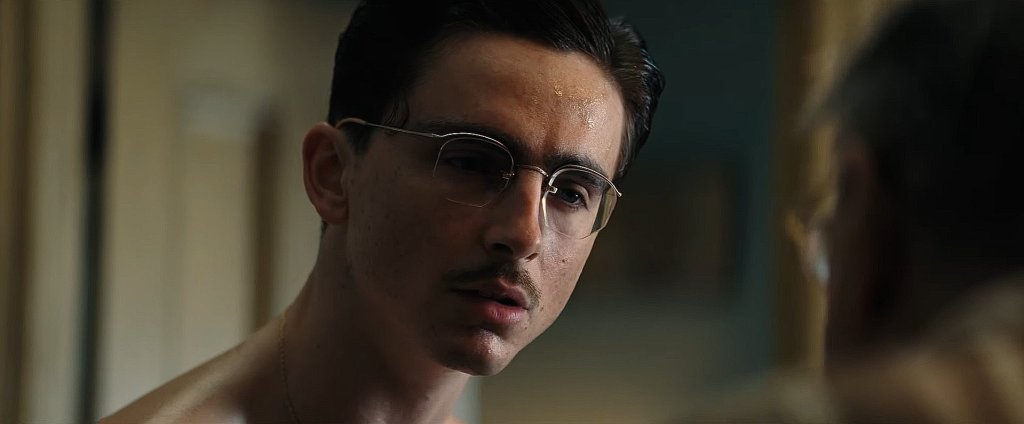
Marty Supreme is a sports drama about an aspiring ping pong legend who schemes and smooth talks his way to the top, leaving a trail of chaos in his wake. The film was directed and co-written by Josh Safdie, alongside screenwriter and frequent collaborator, Ronald Bronstein. It is Josh Safdie’s first solo project since 2008 without his brother Benny Safdie. In 2018, Safdie’s wife and Marty Supreme executive producer, Sara Rossein bought him a copy of table tennis player Marty Reisman’s autobiography, The Money Player, which served as the primary inspiration for the film. Safdie noted the physical similarities between Reisman and Chalamet and the two got to work developing the titular character.
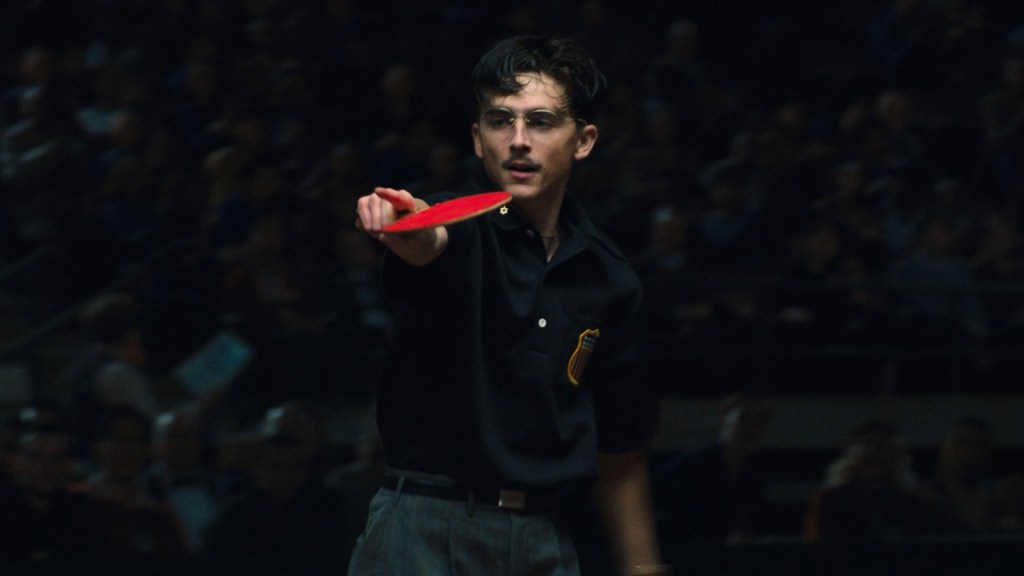
In 1952 New York, Marty Mauser works at his uncle’s shoe store dreaming of a better life. He wants to rise in the ranks of table tennis and win the British open in order to bring the sport to the American public. Marty lives in tenement housing with his mother and is in love with his childhood friend and neighbor Rachel, who despite being married regularly sneaks out to sleep with him. Marty is able to steal the $700 he needs from his uncle in order to get to London where he meets and seduces former screen icon, Kay Stone. Kay is a bored, retired actress married to wealthy ink pen tycoon, Milton Rockwell. She pities Marty’s hapless ambition, but is ultimately intrigued by his charisma.
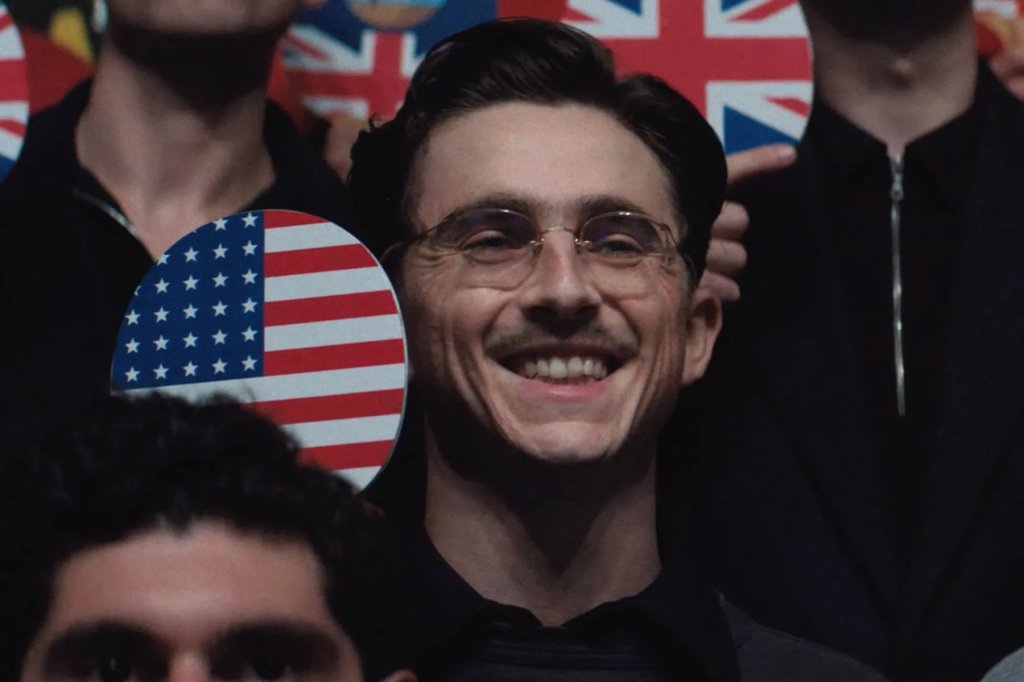
Later at the British open, Marty successfully defeats friend and rival, Bela Kletzki, only to be crushed by Japanese newcomer, Koto Endo. Marty throws a tantrum at this loss, wracking up a $1,500 fine in the process and is banned from the world championship until he can come up with the money. Marty returns home to an angry uncle, a pregnant Rachel, a disappointed mother, and a fraught business relationship with Rockwell. He must come up with the money and means to travel to Japan, and fast, as he evades the law and his responsibilities back home.
As this film premiered with near universal praise from critics and audiences, specifically for Chalamet’s performance, my expectations were admittedly pretty high. Add in Chalamet’s bravado during the press tour and the film’s tagline, “Dream Big” and I was ready to be blown away. I am pretty disappointed that this did not resonate with me as much as it clearly has with so many others. Since it is already beloved, I turned inward. Maybe because I was recovering from a cold earlier in the week, I wasn’t in the best position to receive it.
Focusing on just 2025 releases, Marty Supreme is also my 107th watch of the year. Including everything older that I watched for the first time, it is my 311th watch. If I add everything, including rewatches, it was very nearly film number 400 of 2025. I’m not above burnout, certainly not after the year it’s been, so this very likely contributed to my lukewarm reception. But even still, so many of my favorite releases of the year are films I have only seen in the last month or two so that can’t be the full story.
If I had to pinpoint exactly what prevented me from being emotionally affected by this, it’s Chalamet. An undeniably talented actor with a surprising range and a hunger for greatness that I find admirable in a culture where passion has become cringe. But his performance as Marty felt like getting repeatedly whacked by a ping pong paddle until I was so turned around that I couldn’t make sense of anything that was happening. Intentionally unlikeable no doubt, but there’s a limit to how much I’m willing to stomach when it comes to this sort of obnoxious, one note schtick that leaves very little room for nuance. His single minded ambition is the propulsive thrust of the film and what drives all of his terrible choices, compounding into dangerous consequences. The film is certainly critical of these choices and he must face the music by the end credits, but it all sort of feels like it’s for nothing. Which I think is the point.
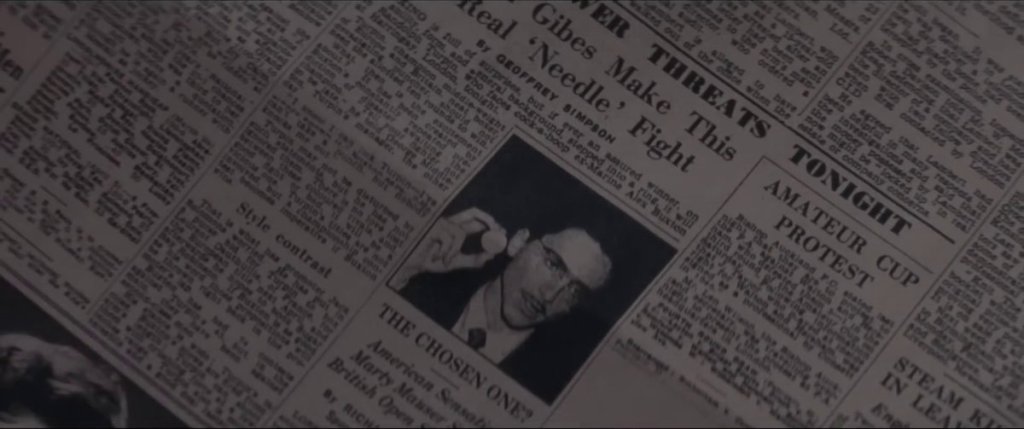
A mad dash comedy of errors where the American grindset and hustle culture is openly ridiculed and dissected for what it is. Even someone as ambitious and talented as Marty will never truly succeed, not when men like Rockwell hold all the keys to the gates in front of him. It’s no surprise that at multiple points in the film, Marty must grovel at Rockwell’s feet begging him for the opportunity to play table tennis professionally. When offered the chance, Marty learns that his job is to lose against the reigning Japanese champion, all to boost Rockwell’s pen sales overseas. He either gives up his dream entirely or settles for a less idealized, and embarrassing, version of his goal. That’s it.

It’s also a story about survival, specifically Jewish survival in the wake of World War II. This fuels Marty’s neurotic, impulsive obsession for greatness. A lost dog named Moses guides him to the promised land of the World Championship. He steals a piece of the Great Pyramids for his mother while on tour, stating “we made this.” In the movie’s most memorable scene, Bela Kletzki shares a harrowing and touching story about secretly feeding his cellmates at Auschwitz. Rockwell justifies his own antisemitism by loudly proclaiming his resentment for losing his son in the South Pacific, despite the loss having nothing to do with Germany or liberating the camps. Only to turn around and hypocritically profit off of the Japanese government’s desire to reenter the world stage. Marty Supreme is at its best when it’s focused on the nuances of this identity in relation to the American dream and the larger story of Jewish survival and resistance.
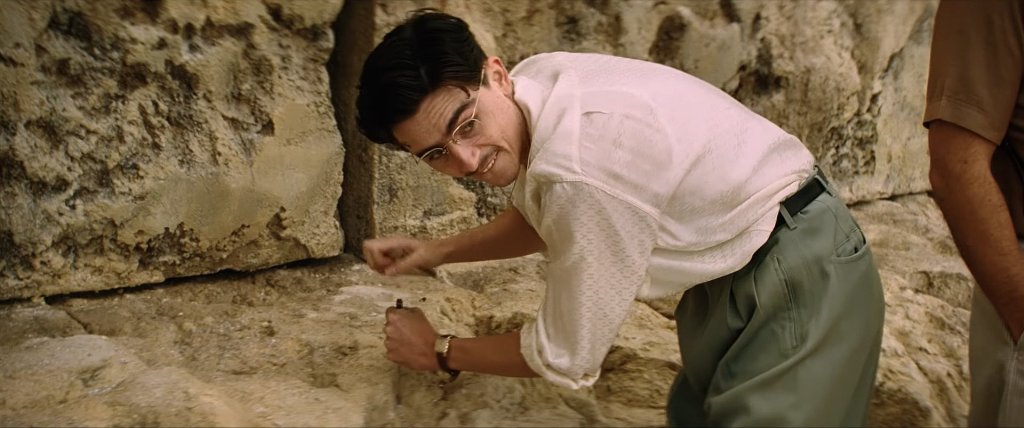
So then Marty’s arc then becomes about developing dignity and personal pride rather than the egocentric, win at all costs attitude he holds at the start. But he has to be knocked down quite a few pegs for that to happen. A loss from his Japanese rival he didn’t see coming, repeated rejections from Kay Stone, a disappointed uncle ready to throw him in jail for show, a group of criminals seeking revenge for his hustling, and a newborn on the way. It’s a lot. Not until Marty’s final rematch with Koto Endo is he able to redeem himself, at least in his own eyes. But even that decision costs him everything. How far are you willing to go in order to continue playing ball?
When enough is enough, Marty returns home. Tail between his legs, but also free from the shackles of Rockwell’s humiliation rituals. It’s a bittersweet victory made all the more so by seeing his child for the first time. A moment that finally breaks him down into tears, the first genuine bit of vulnerability from Marty in the entire film. Finally caring about something beyond himself. He drops that self aggrandizing act and is overwhelmed by what this means for his future. One dream dies, another possibly begins.
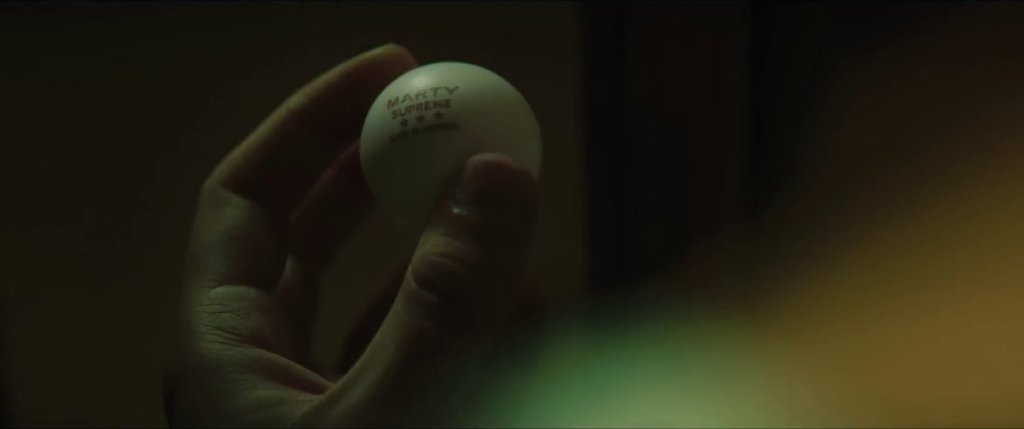
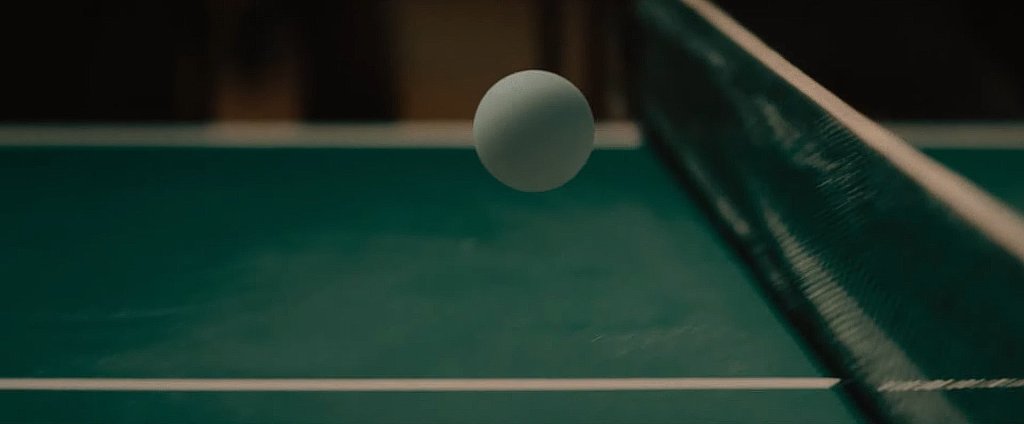
It’s a stinger of an ending that has already proven to be controversial. I have avoided any official explanation from Safdie or Chalamet in advance of writing this, but it has been impossible to avoid online. Some people are looking for redemption or catharsis and I don’t think you’ll find that here. That would be too neat of a bow to tie on Marty Supreme, especially as the previous two and a half hours did nothing to imply that this man will make his new dream, being the best father possible. I don’t buy that (and I hope Rachel doesn’t either!). It’s not that Marty is too far gone for this change to be reasonable, it’s that nothing in the movie points towards this. I’m still mulling it over, but as the only real emotional beat for the character, I felt nothing. Not pity, not catharsis, and certainly not inspired. So much for dreaming big.
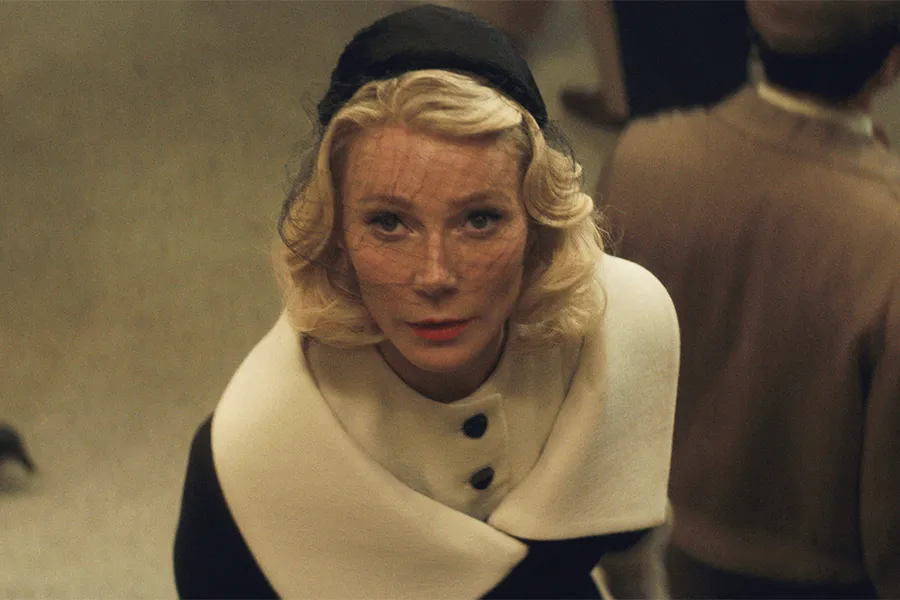
My main sentiment when leaving the theater was, “man it was great to see Gwyneth Paltrow on the big screen again.” She plays the aging screen actress Kay Stone who inadvertently ends up in Marty’s crosshairs as he looks for an in with her husband. It’s a small, but powerful performance that focuses on the fleeting nature of these outsized ambitions. Even if you manage to rise above and reach the heights of someone with her fame and fortune, it is not guaranteed to be sustainable. You can fall just as easily and never get back to that place. Kay finds herself stuck in a vanity stage production with half rate coactors. On opening night, she is able reignite her passion for acting, beaming against the stage lights and applause, only to be heartbroken by a devastating review from the Times.
It’s the second Christmas in a row where I sat down for a Chalamet film and found myself wishing I bought tickets to the supporting actress’s movie instead. “A Complete Unknown’s” Monica Barbaro as Joan Baez was a similar scene stealer. Even Odessa A’zion’s performance as Rachel left me wanting more, only held back by the lack of a full character arc. Timmy’s a big personality, I get it, but there’s enough oxygen for everyone in this movie, right?
The general reaction to Marty Supreme remains mystifying to me. It’s something we’ve seen before, something we’ve even seen Safdie make before. Chalamet is a living, breathing Marty Mauser which, as impressive as it is, is not someone I’m willing to spend any more time with. Hearing his snarky Holocaust quips and watching the reckless abandonment of the women who supported him along the way, all funneled through Chalamet’s relentless showboating is more than enough for one sitting. I’d say I’m willing to give this another chance, but I don’t think I want to.


 Reel Take
Leave a comment