
Avatar: Fire and Ash is a sci-fi epic set on the distant world of Pandora as the human race presses forward in its colonization efforts, eliminating insurgent Na’vi forces along the way. It is the third film in the franchise and a direct sequel to 2022’s Avatar: The Way of Water. James Cameron had always intended for Avatar to be a series and announced plans to make two additional films in early 2010 after it proved to be a box office titan. However, filming on the two sequels were delayed as they would require improvements to the existing motion capture technology in order to film both movies’ extended underwater sequences. Thus The Way of Water and Fire and Ash were shot simultaneously over the course of three years, ending in late 2020. At a budget of $400 million, Fire and Ash is one of the most expensive films ever made.
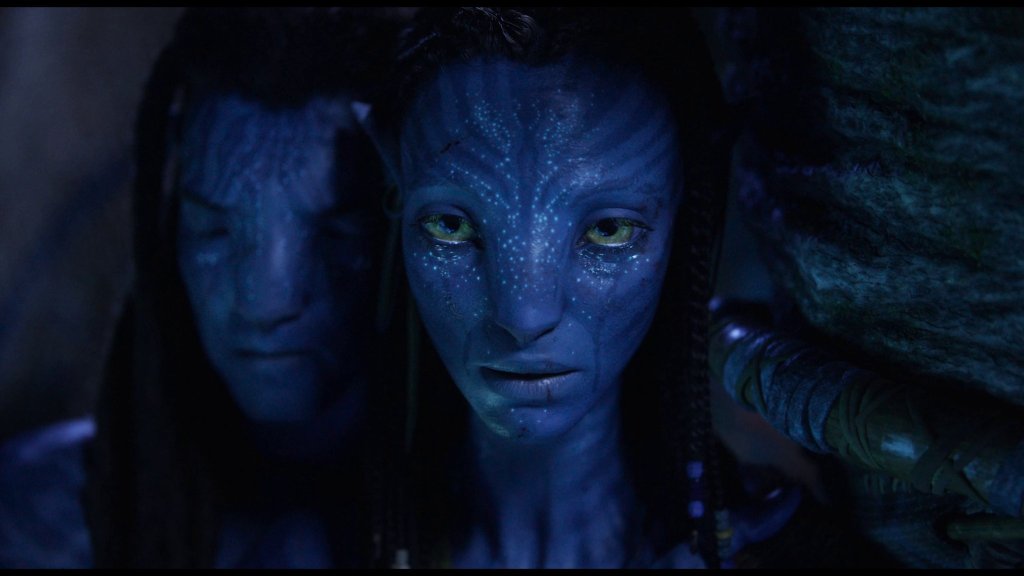
Soon after the events of The Way of Water, Jake Sully and his family grieve the loss of their son Neteyam. Neytiri is taking the loss hard and has developed a burning hatred towards humanity. Lo’ak carries shame, blaming himself for putting his brother in harm’s way. Jake was already hard on Lo’ak, and their relationship has only grown more fraught since. Realizing that Quaritch will never stop looking for Spider and that Spider cannot live his whole life in an oxygen mask, the Sully’s reluctantly agree to send Spider back to the research base. They get a ride home on the nomadic air merchant’s flying ships.
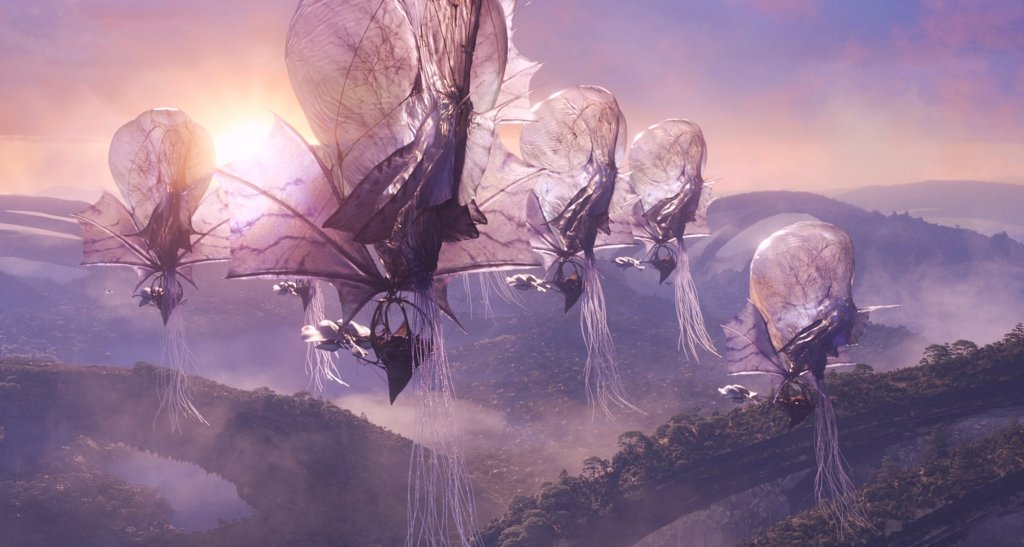
While in the air, their ships are ambushed by an aggressive Na’vi tribe, the Mangkwan, led by the ruthless Varang. Varang manages to fire upon the ships, killing dozens, and looting their supplies, but not before the Sully’s are able to knock a few of her men out with their superior fire power. While fleeing the remaining Mangkwan, Spider’s oxygen mask goes critical and it is clear that he will soon asphyxiate. In a moment of blind faith, Kiri calls upon Eywa to save Spider from certain death. By connecting to the forest floor, Kiri controls Pandora’s massive mycelium network, which works its way into Spider’s lungs, transforming him from the inside out, and giving him the ability to breathe Pandora’s toxic air. The celebration behind his resurrection is short-lived as it becomes clear that the humans will stop at nothing to capture the boy in order to reverse engineer the process, giving them the ability to safely colonize the rest of Pandora. The Na’vi people face their most existential threat yet.
Holding two of the top three spots in the list of highest grossing films of all time, there’s a good chance that most people have at least seen the first movie, if not its sequel too. Despite a vocal minority of contrarians who continue to say “these movies have no cultural impact,” the mass appeal does not lie and from early box office reports, it looks like Avatar 4 and 5 will soon enter a proper preproduction phase with a planned release window for 2029-2031. Which is great news for an industry facing dire times. At least the IMAX and Dolby 3D theaters won’t be going away any time soon, not if James Cameron has anything to say about it that is.
Fire and Ash delivers exactly what fans of this series have come to expect. Highly choreographed, action set pieces, swooning romanticism and heartfelt family relationships, and out of this world cinematography of one of the most gorgeous locations ever brought to life on film. If that is all you are after, you will leave satisfied and itching for more. Sometimes exotic locales plastered in 3D on the largest screen imaginable is enough.
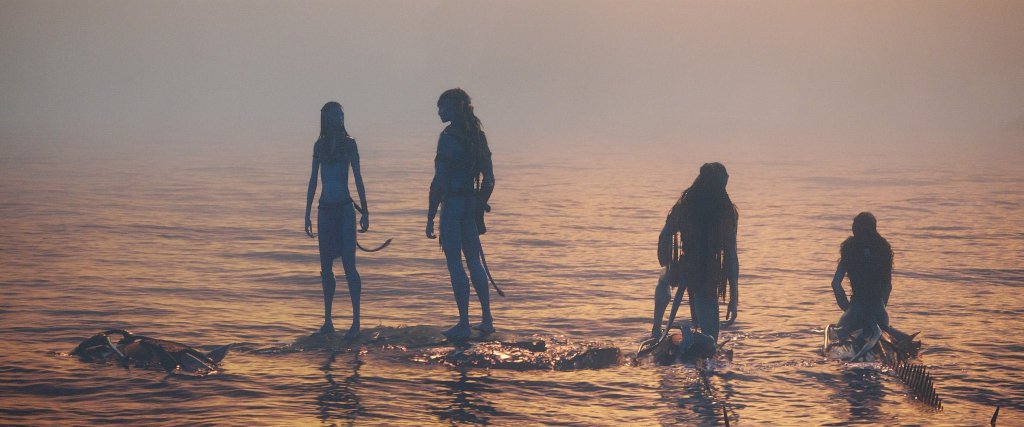
There’s a level of immersion in this series that I am uniquely drawn to. Ideally, every film regardless of genre should pull you in and keep your attention, but of course life gets in the way. Sometimes it’s an anxious thought, reminding you of the next day’s work, other times it’s as simple as mentally updating your grocery list in the middle of a movie. All of that completely melts away the second these films start and suddenly I’m transported directly to Pandora, almost five light years away and more importantly far away from my mundane, daily worries. As both an overthinker and a massive movie fan, there isn’t a better cure than Avatar. That alone is well worth the price of admission. Something you can certainly try to get on your living room couch, but will rely on your ability to keep that smart phone off or in the next room.
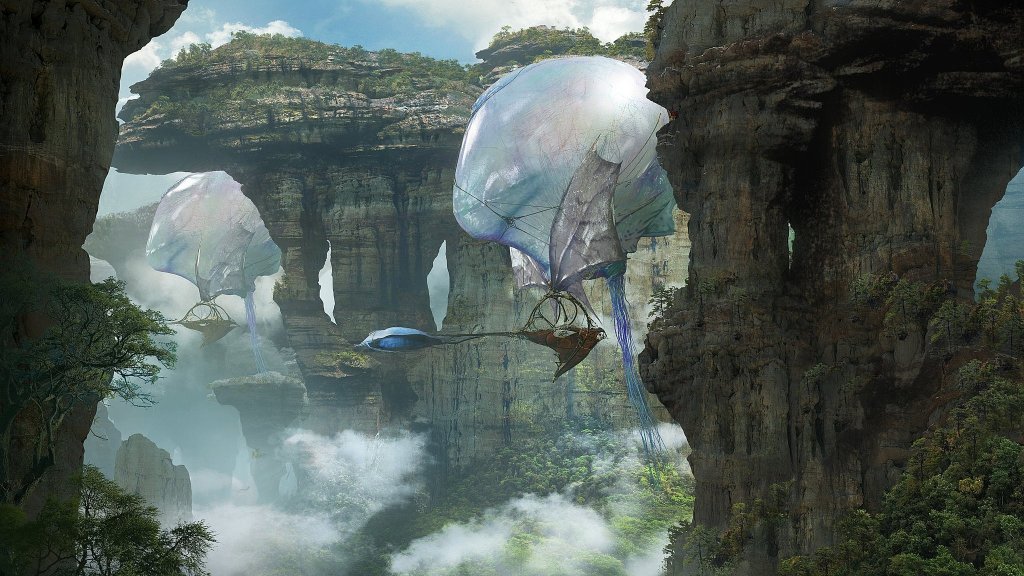
Fire and Ash successfully builds upon what already works and expands our current understanding of this world, its players, and the various moving parts. Cameron introduces two new Na’vi clans to flesh out their culture, the first of which is a nomadic tribe of traders who sail ships upon the wind with the help of airborne alien creatures. They are a more neutral force, preferring to exist outside of the established conflict so unfortunately they don’t get to do much once the first act ends. However, this is mostly made up for by the inclusion of Varang and the Mangkwan clan.
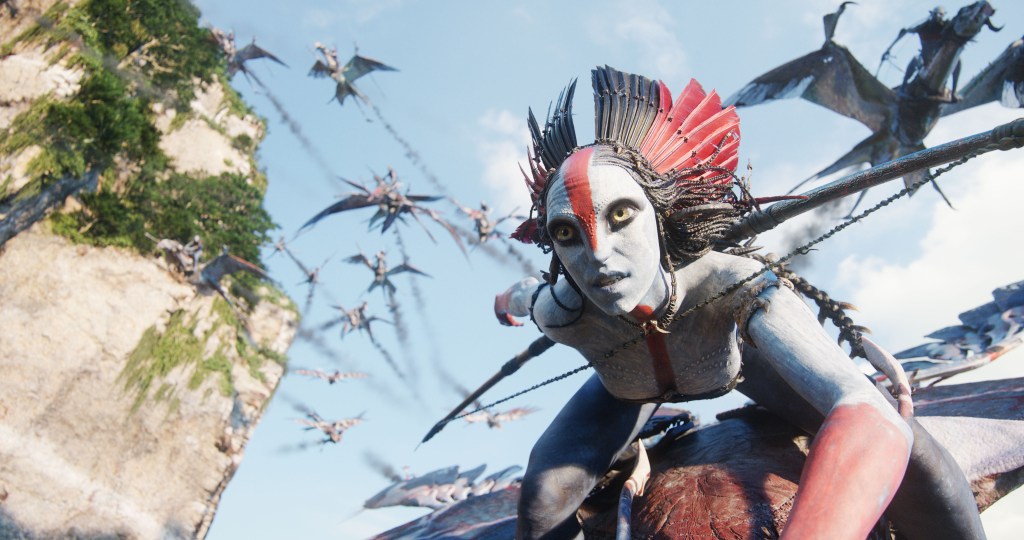
Up until this point, the Na’vi have been solely depicted as mostly peaceful natives who prefer non-violent solutions and existing in harmony with their environment. It isn’t until Jake Sully’s human influence introduces them to strategic counterattacks and the use of firearms. Even then, the Na’vi are unwilling to wage an all out offensive against humanity, instead choosing to resort to violence only when their lives depend on it. In The Way of Water, this was one of primary conflicts driving a wedge between Jake and the seafarring Metkayina clan.
So the introduction of Varang changes everything we think we know about the Na’vi. Varang is a merciless leader who has cultivated an army of loyalists, willing to kill and die on her behalf without question. The clan utilizes the destructive power of fire to unleash a hellstorm upon their enemies. They have no qualms about using violence to advance their goals, even when their primary motivation is simple, petty theft. Varang sets her own soldiers ablaze, dive bombing the air ships like kamikaze fighters, using them as weapons without any concern for their personhood. Varang scalps her enemy captives, collecting their kuru, hair connectors, as a prize, and forever locking them out of bonding with the spirit world and the other creatures of Pandora. It is a level of cruelty that we have yet to see any Na’vi inflict, certainly not upon members of their own species either.
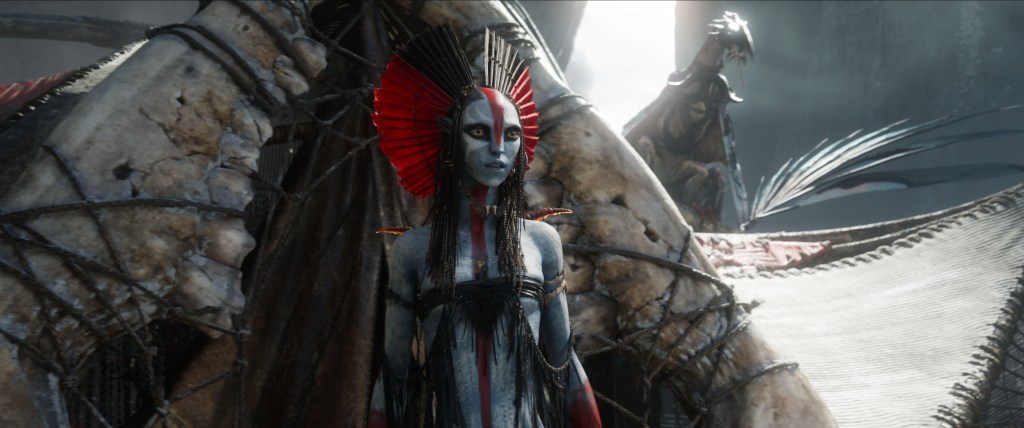
My only real gripe with the inclusion of this Na’vi clan is that Varang is by far the most interesting and compelling villain Cameron has introduced thus far and he gives her barely anything to do. While she is never presented as the big bad of the movie, her introduction suggests that she will be more of a threat than she proves to be. She isn’t even responsible for any of the named character deaths. Quaritch travels to Varang’s home, the ashy badlands at the foot of an active volcano, where she reveals her fiery motivations. Her tribe was annihilated by an eruption and when her people called out for Ewya’s protection, their prayers fell on deaf ears. Her resentment fuels the rage she feels towards the other Na’vi clans and their self righteous beliefs.
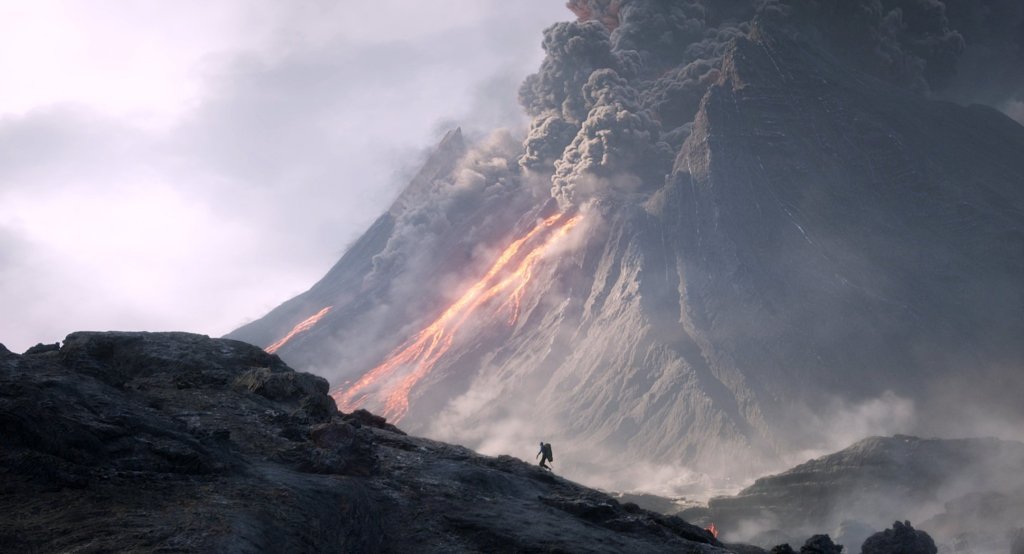
The humans, who make no distinctions when it comes to differing Na’vi cultures, have occupied the antagonist position for most of the series. So because of that their attitudes have been flippant, dismissive, and brutal but in a detached way. Like a little kid toppling an ant hill. Varang has personal, deeply felt motivations which makes her both an easy target for Quaritch to manipulate and an absolutely terrifying force to reckon with. Yet, she remains a simple pawn in the larger game, with little or no agency of her own. It’s a bit of a let down after an exhilarating introduction to a character that seemed for a moment was going to be a larger player in the downfall of the Sully family, maybe even all of Pandora.
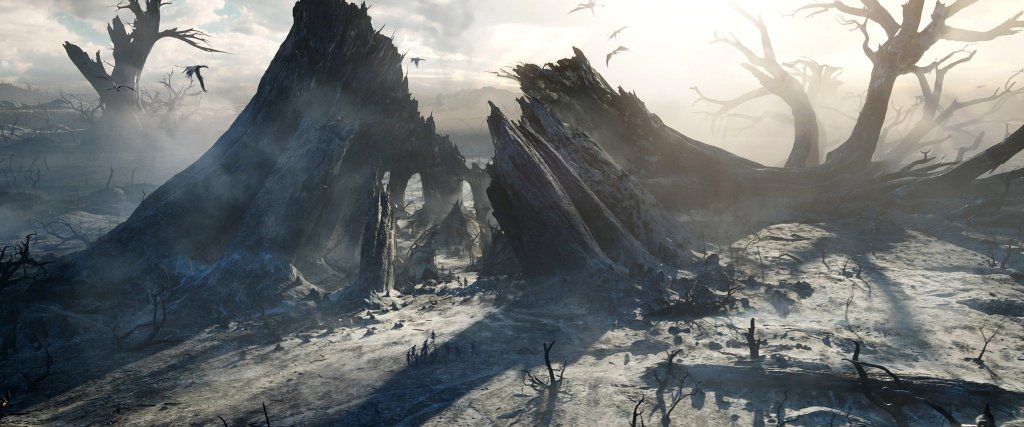
All is not lost. I don’t think we’ve seen the last of Varang, especially considering Quaritch’s arc, and now that she has an ally and lover in one of the “Sky People’s” most dangerous men. She has more than proven herself as a complication and an agent of chaos, but I’d love to see her become a full fledged villain in the sequels. Too interesting of a character to revert back to human beings and their bottomless greed as the main force of evil.
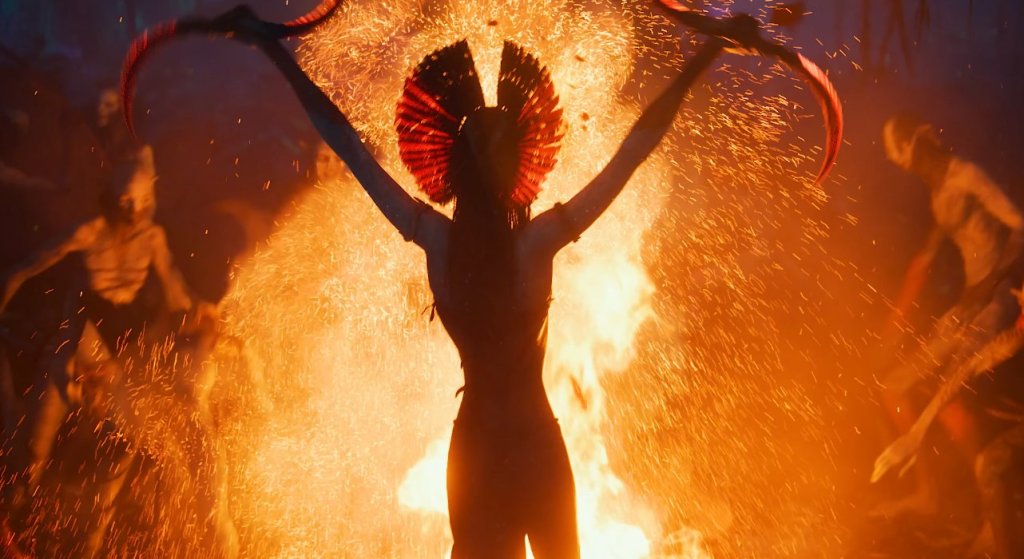
To that point, Fire and Ash, starts to feel a bit like playing the hits. New locations of Pandora’s breathtaking sights are few and far between. Many of the set pieces are repurposed from The Way of Water’s final act. All of the last film’s lingering threads are hastily tied up too. I do not envy the massive undertaking of keeping a story with this scale straight, but it can feel rather burdensome to keep track of it all in real time. I say this as someone who watched The Way of Water twice in the last four months and still found myself confused by some of the character choices and developing relationships.
Bloated and over three hours long as is, extra details surely were left on the cutting room floor. Everything still makes sense logically and narratively more or less, but it is paced at such a breakneck speed that good luck being emotionally impacted by anything. The Way of Water faced similar criticisms for being overly long or having too many scenes that existed only to show off the underwater environments. At least in that film, Cameron budgeted plenty of time to let the audience sit in awe of Pandora’s natural beauty. These moments, when the action slows down, gives the audience a chance to catch their breath, process what has already happened, and reminds them of why this world is worth fighting for. I wish Fire and Ash had more moments like this. Leaving the theater, I felt all turned around and not sure what to make of any of it.
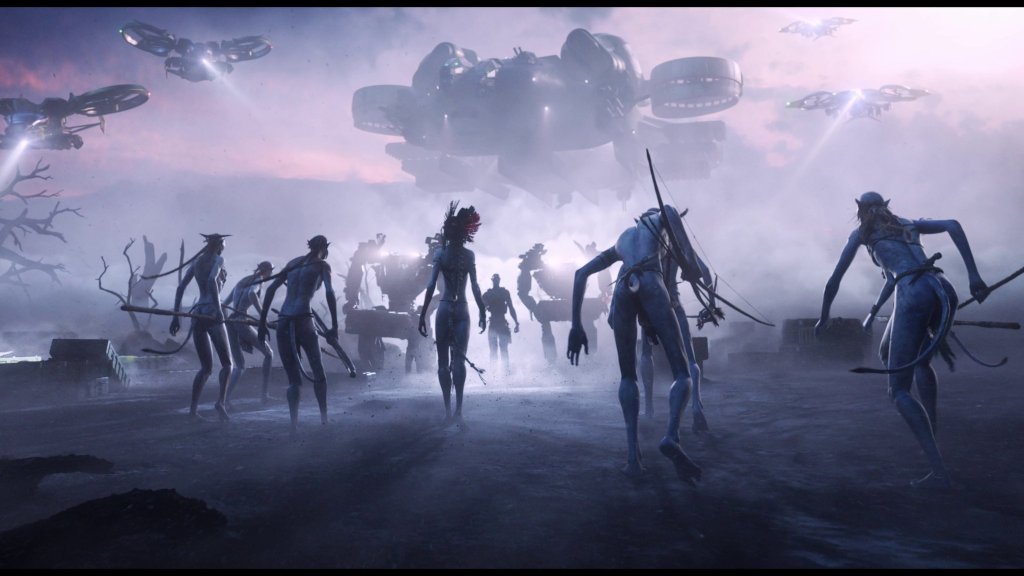
Some of my favorite movies of all time are one long, extended chase sequence. The Empire Strikes Back and Mad Max: Fury Road immediately come to mind, but even this year’s One Battle After Another pulls this off extremely well too. Those films benefited from a more focused scope, even the two that are part of larger franchises are more concerned with their own insular stories rather than bridging the gap between two parts of a sweeping narrative. The worst thing I can say about Fire and Ash is that it feels like the third movie in a five film franchise.
Then there’s Spider’s character who goes from being a minor complication in the last film’s black and white war of Na’vi versus humanity to the very thing that may end this conflict once and for all. His ability to suddenly breathe Pandora’s air as a human elevates him to a new level of importance in the franchise’s overall story. Typically, I try to avoid calling out specific actor’s performances, but Jack Champion gives another stiff and stilted portrayal which feels like a human boy from 2025 was suddenly dropped on an alien planet in the distant future. I didn’t mind it so much as a quirky side character in The Way of Water, but as he is front and center this time around, it’s harder to ignore. It’s the only character who consistently breaks my immersion. Disappointed to learn that he will likely be the focus of the next two films.
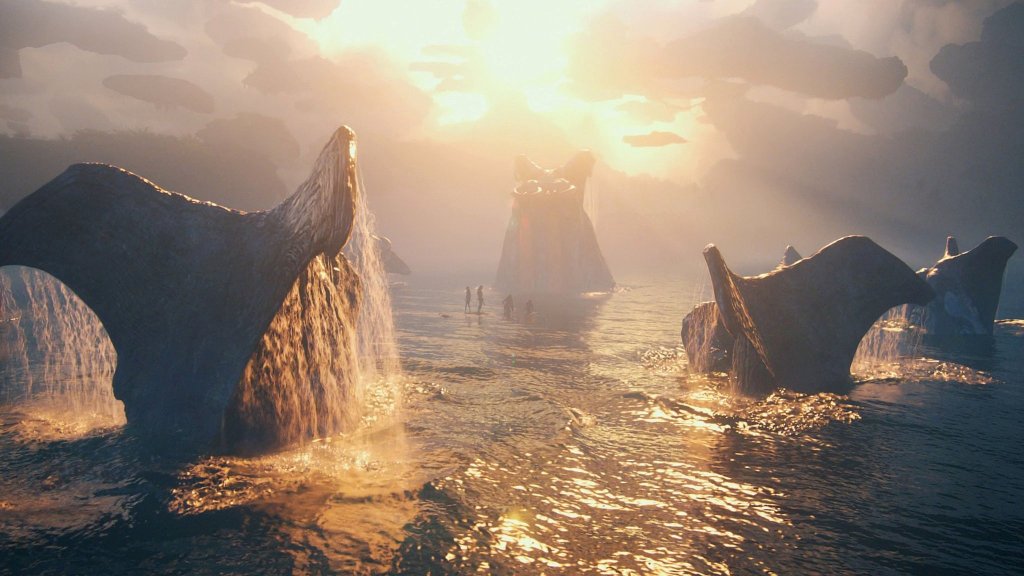
Yet, I walked away thinking I only had so much to critique about Fire and Ash because of the massive amount of film Cameron gave me to parse through. It is far from a perfect movie and nowhere near as monumental as its predecessor, but that may be a bit unfair as so few movies are as epic and moving as The Way of Water. There’s an earnestness to this series that is unmatched in similar movies of this scale. No other blockbuster is going to ask you to care about space whales without turning it into a sharp zinger!
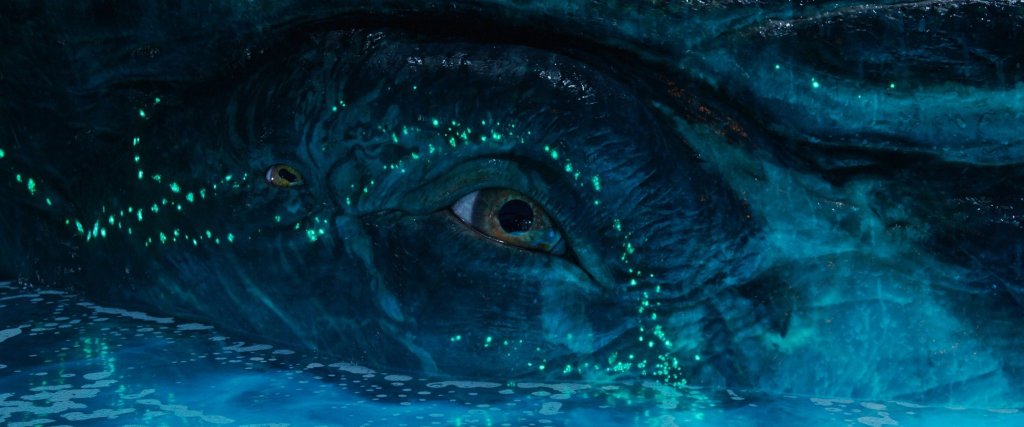
At its core, Fire and Ash is a story about humanity’s relentless and ruthless hunger for its own survival. These primitive instincts fuel the destructive forces of colonization as a just and moral plight. The preservation of our species is the primary motivator, all others be damned, and if the pursuit is done in the name of keeping people alive, so be it! We will destroy any environment and any group in order to secure this future. Cameron doesn’t hold back in his criticism of these base urges. While these themes go all the way back to 2009’s Unobtanium, Cameron’s never been angrier with the state of the world as he is here. The endless fighting, the cycle of violence, and the abundance of blame and resentment. There’s a frustration in how obvious it is that the conflicts are cyclical, how hatred begets more hatred. It reads like a man, nearing the end of his life, just as exasperated and confused as ever.
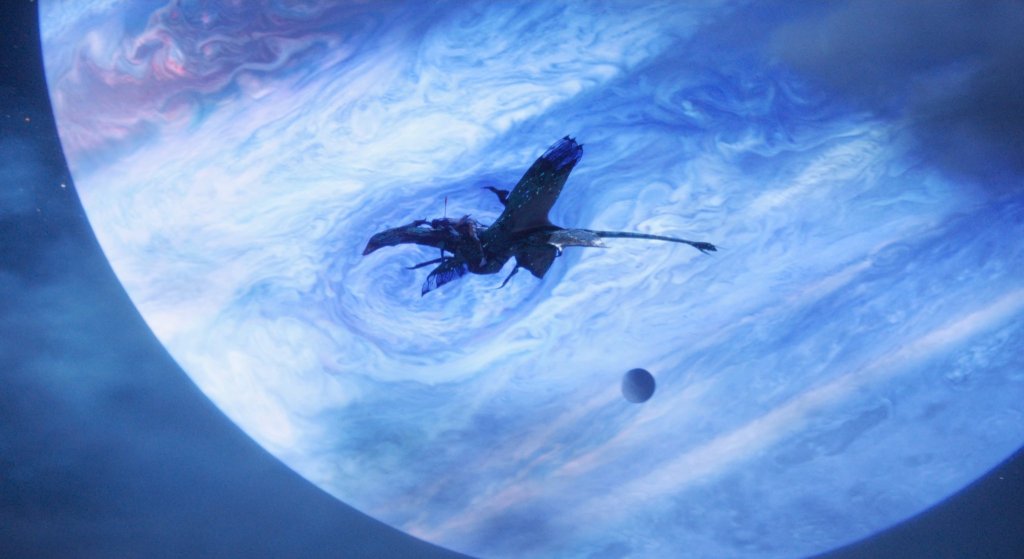
But not hopeless. Once he can see the writing on the wall, Jake Sully reluctantly gives himself over to Quaritch as a prisoner. In the brief moments they share with one another, Jake bargains with Quaritch, asking him to reflect on the time he’s already spent in his avatar body. Surely, as Jake did all those years ago, he would come around to the natural and spiritual wonder that surrounds him. It is a call to all of our higher selves to rise above the mad dash of self preservation. To relinquish our marching orders and to see the world with brand new eyes. A world that is intricately connected and more profoundly rich with meaning than our human brains could even begin to comprehend. When Jake Sully speaks of the magic of “seeing” Pandora for what it is, I very nearly do. It’s a complicated world, but one that’s worth saving.


 Reel Take
Leave a comment