
Nosferatu is a psychosexual gothic horror reimagining of F.W. Murnau’s classic vampire story from 1922. It is directed by Robert Eggers, whose fervent filmmaking has spawned a series of period pieces from The Witch, to The Lighthouse, to The Northman. A self described passion project, Eggers has spent much of his career building towards this release. Development began nearly 10 years ago, but production was delayed until 2022. Ever the perfectionist, Eggers’s deliberate and precise vision was finally realized after years of research and meticulous planning. The film premiered on Christmas day 2024, receiving praise for its exquisite art direction and haunting performances from Lily-Rose Depp and Bill Skarsgård.
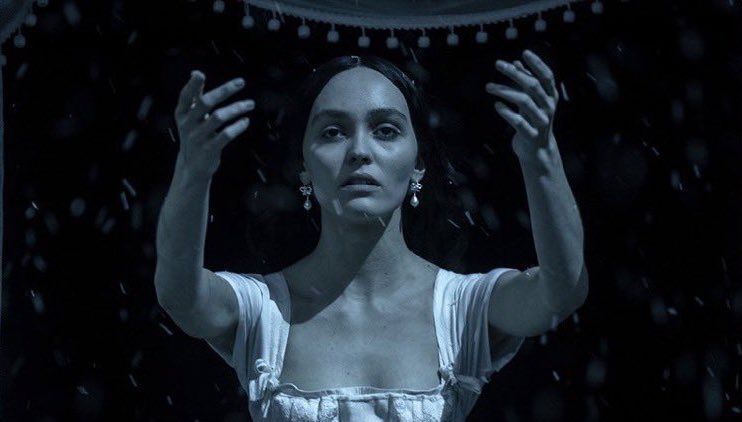
We open on a young Ellen Hutter, played by Depp, whose isolation leads her to call out for companionship from the other side. Ellen is particularly perceptive when it comes to the supernatural, but in her despair she unwittingly invites a demonic presence into her life. The spirit hungers after her youth and vitality, relentlessly pursuing her years later.
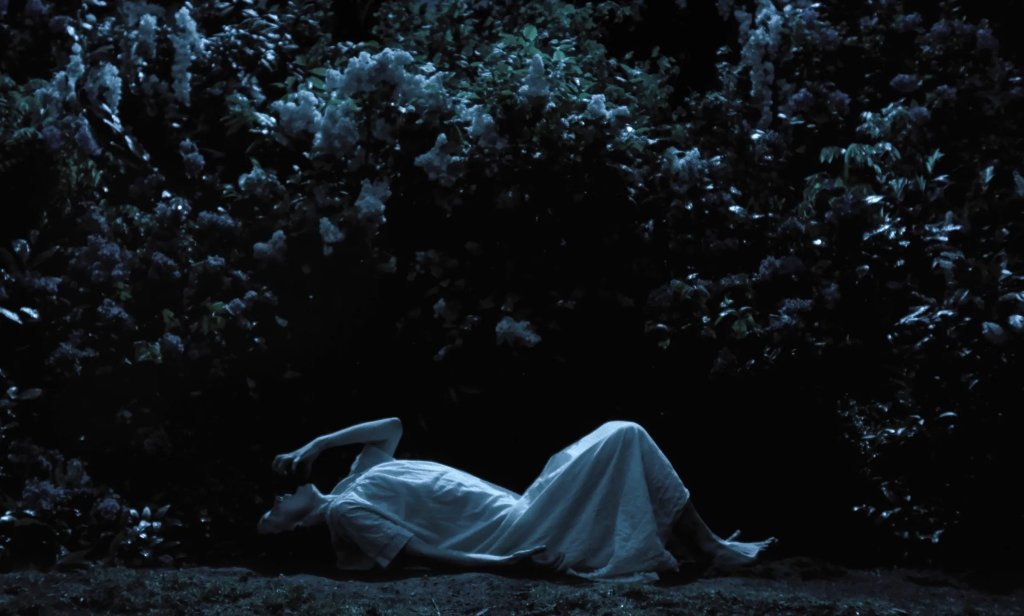
In 1838, Ellen lives with her husband Thomas, played by Nicholas Hoult, an estate agent who’s offered an opportunity that will secure their financial future. Thomas’s boss requests that he make a trip to Transylvania to finalize a housing contract with the mysterious Count Orlok, Skarsgård, who seeks to retire in an abandoned castle in town. Eager to reap the benefits of this business deal, Thomas overlooks the clear obsession his employer has with the Count. Against Ellen’s wishes, Thomas sets out to meet Count Orlok in person, dooming everyone in the process.

On his way to Orlok’s castle, Thomas encounters a Romani village who warn him against the vampiric threat. He is tormented by visions of a ritual where the villagers unearth the undead, and impale him through the heart. Still, this is not enough to deter his ambition and he presses forward. Upon meeting Orlok, he is revealed to be the vampire plaguing Ellen with visions of death. Thomas is held captive and used to bait Ellen into succumbing to Orlok’s whims. He must flee the castle to warn her and the townsfolk of the impending menace, as she slips further into the vampire’s grasp. Skepticism of the supernatural threatens to delay the help she desperately needs.

Eggers has a particularly strong eye for detail which is felt in every frame of Nosferatu. Not a single prop or costume is wasted in his effort to tell this version of the classic horror tale. The world of Victorian Germany is brilliantly captured, teeming with activity. The hustle of Wisborg feels lived in, with a long standing history, adding to the intrigue and mysteries lurking around every street corner. Winding castle halls, narrow and claustrophobic alleyways, and foreboding forests. The set pieces are carefully constructed, as crucial to the storytelling as the actors and script itself. The world Nosferatu is at once vast and isolated.
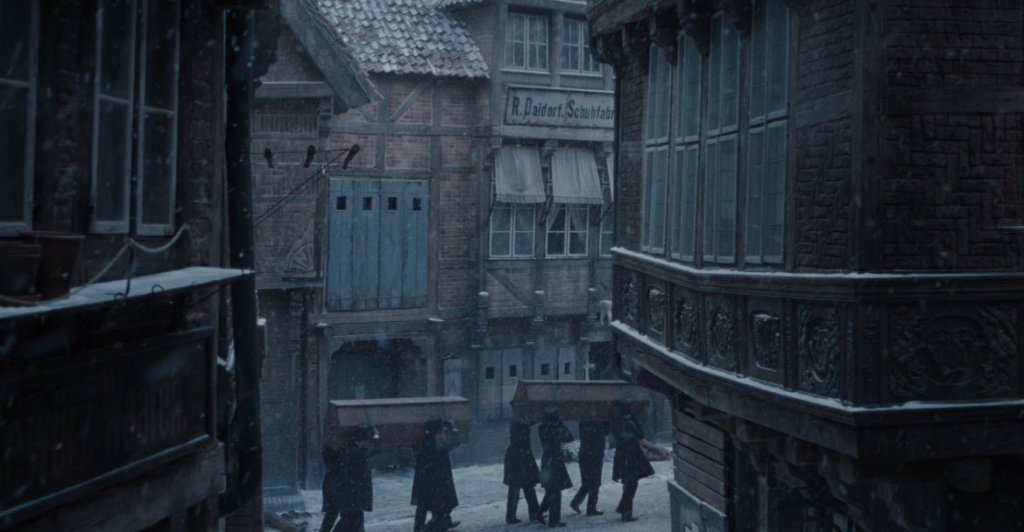
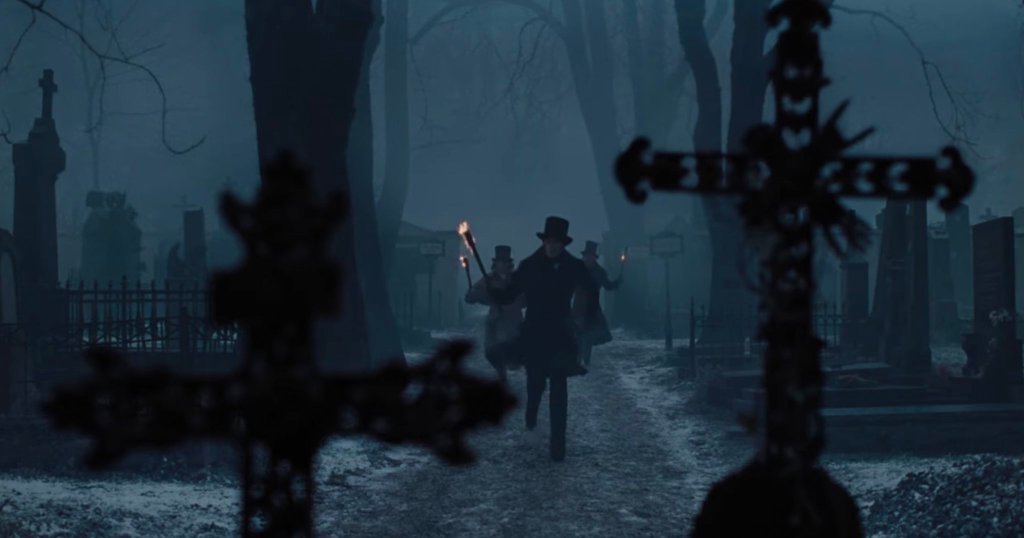
The cold color palette casts a wintery shadow over the entire film. It’s bleak. It’s ominous. It’s dark. Most of the film is so desaturated that it is nearly black and white. Devoid of color, devoid of life. As if the vampire himself has siphoned every last drop of red from the film. This imagery is aided by the inventive use of candles as the primary source of light in most scenes. Often the only source of warmth as well. Practically, this is done because electrical lighting does not yet exist during the time period in which Nosferatu is set. But also because the candlelight casts long shadows in the rooms they illuminate. Giving plenty of places for the entity to lurk in hiding.
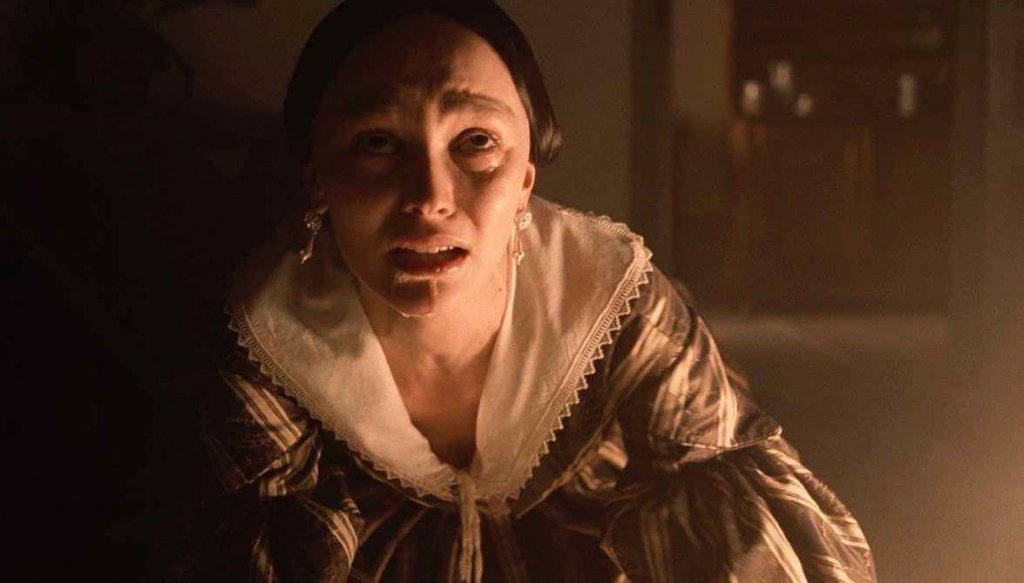
There’s one particular scene where this is used to great effect. Ellen’s dear friend Anna skulks around her mansion with just a single candle lighting the way forward. The yellow tones flicker against the actor’s face, creating deep contrast between her terrified expressions and the looming darkness that surrounds her. Only for Ellen to emerge from the shadows in the best fake out scares of the entire film. The audience never knows what lies just beyond the void. This technique is used throughout Nosferatu creating the film’s sinister atmosphere.
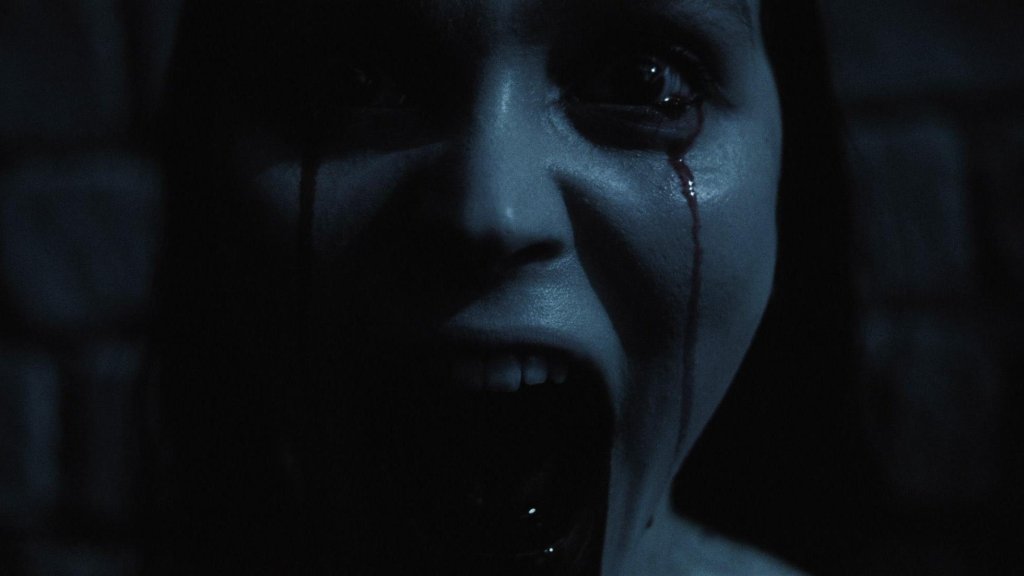
Lily-Rose Depp delivers a career defining performance as the romantically tortured Ellen. It’s shocking how much she looks and sounds like she was plucked directly from the 1800s. Fully committed with every guttural gasp, every extended shaky hand, and every haunted look of pure doom. She sputters and convulses on the floor in both agony and ecstasy as the vampire’s hold over her grows stronger. It is repulsive and difficult to look at, yet just as difficult to pull away from. Her pain is your pain. Her pleasure is your pleasure.
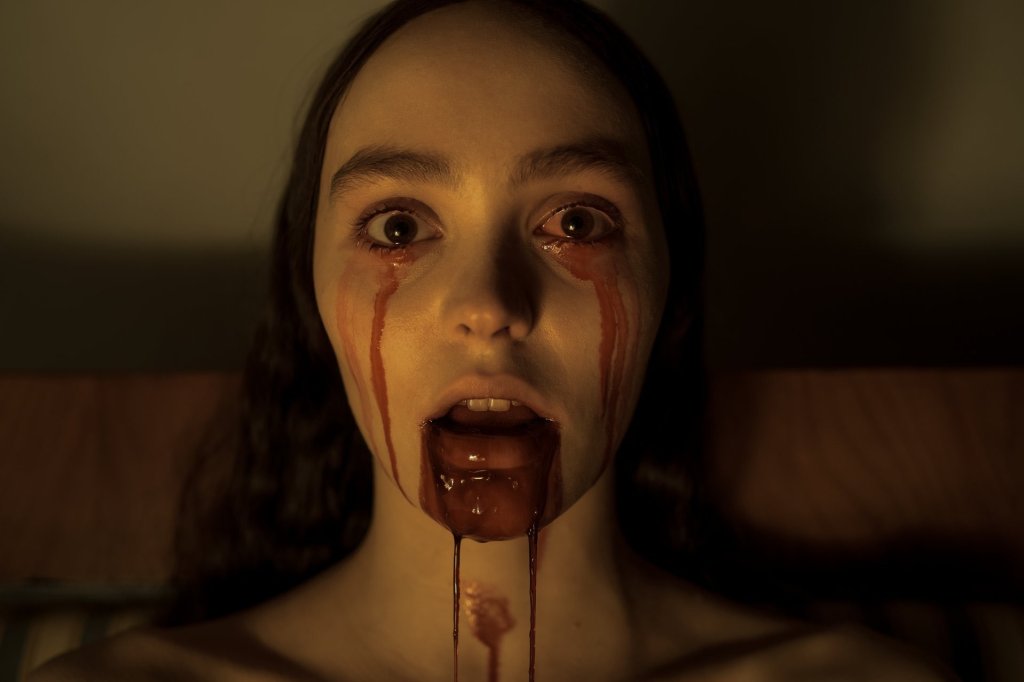
She is able to turn on a dime, emotional whiplash for both the viewer and her scene partners. Going from weeping for mercy to unbridled rage in a matter of seconds. As Count Orlok encroaches, these fits of anger grow more frequent and rabid. When Thomas leaves to confront the monster once and for all, Depp delivers the film’s most deranged monologue. She begs Thomas to stay by her side, not willing to lose him once again. But just as soon as he relinquishes, Ellen tears into him for abandoning her, believing the Count’s lies that Thomas sold her out for a sack of gold. Only to then yell out and taunt Orlok with her love for Thomas.
Ellen condemns Orlok’s feeble attempts to manipulate her by making love with Thomas in a defiant display. Warding off the vampire’s advances. All of this happens within a matter of minutes and it is truly a remarkable scene to watch unfold. Hoult is a generous scene partner, no doubt, but this chilling and disturbing moment is entirely of Depp’s making. Unapologetic and brazen. This is the performance that will stick with you long after the nightmare is over.

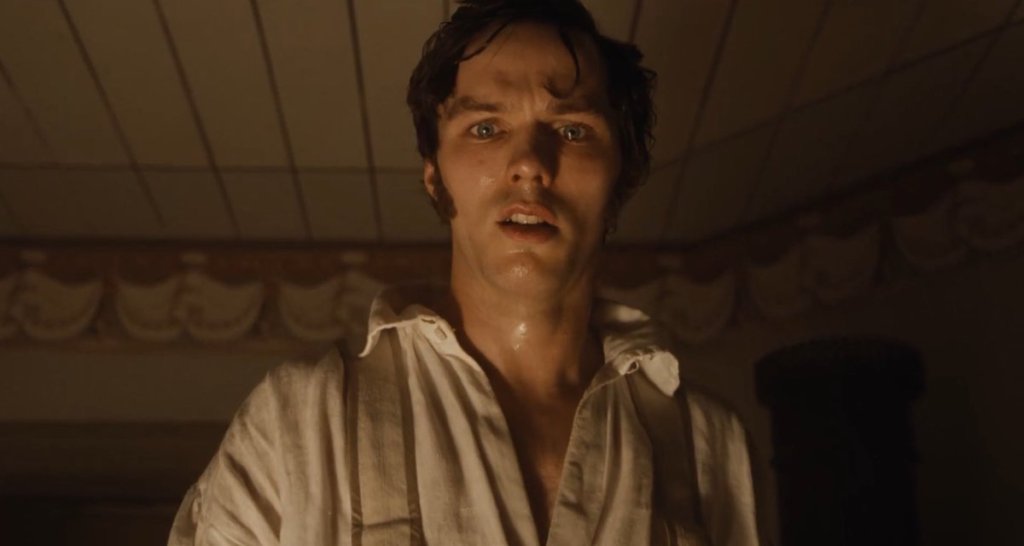
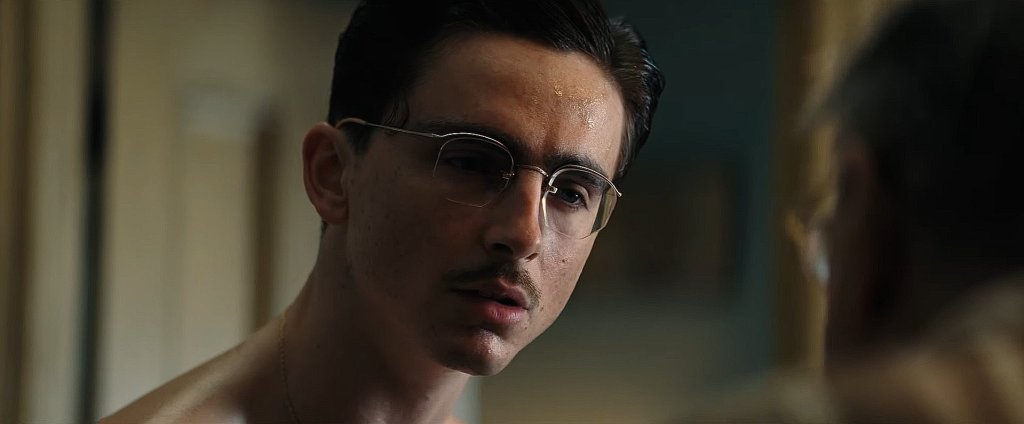
Nicholas Hoult is the kind of actor who fits seamlessly into every role he takes, so it’s easy to overlook the masterwork he pulls off here as the horrified Thomas. He is responsible for introducing the audience to Count Orlok and as such is our emotional guide through the experience. Which is a harrowing one full of pure terror. His journey to Transylvania is arduous and creates a feeling of walking straight towards the gates of Hell. Thomas is warned by the local village folk about the demonic presence that haunts their people. However, their stories of the undead only push Thomas away and right into Orlok’s grasp. He’s cowardly and emotional, but you never stop feeling for the man. All Thomas wanted was to create a better life for his wife and for this he is deeply punished.
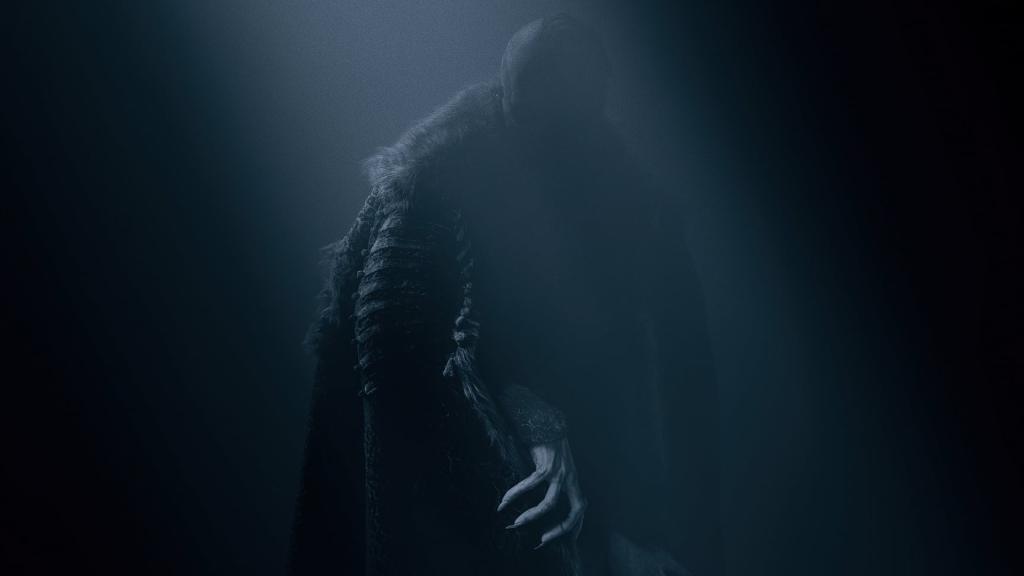
When we first encounter the vampire, he is completely in shadow. We see his gnarled fingers and lifeless eyes in close ups, but the creature does not fully reveal himself to us. Most of the fear in these scenes is conjured through long takes on Hoult’s horrified face. We perceive the danger directly in response to his fear, letting our imaginations run wild with disturbing imagery. It is the kind of performance that is successful because it does not draw too much attention, letting the scenes speak for themselves. A teary eye and shaky voice is all you need to understand Thomas’s state of mind. It’s incredibly effective at both driving the film’s steady pulse of dread and delaying the inevitable full creature reveal. The unknowable threat is more formidable.
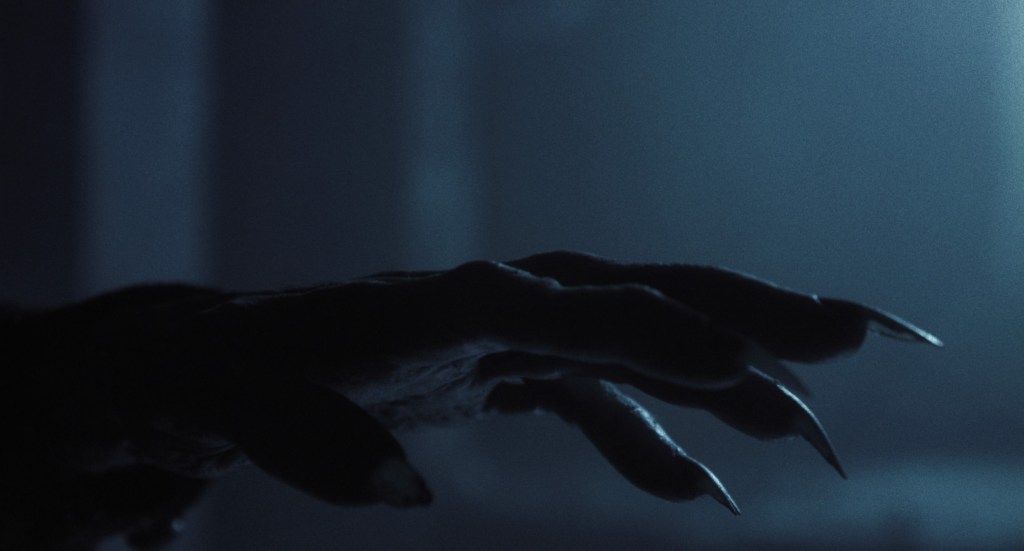
A new horror icon emerges with Bill Skarsgård’s unrecognizable portrayal of the titular vampire. The prosthetic work is transformative. A gaunt, lifeless, and wretched being crafted by the film’s talented VFX artists. But it is Skarsgård who brings the demon to life. The physicality of this performance is revolting, an ancient beast dragging itself along, lingering in his prey’s periphery. An ambush predator, like a spider laying in wait for the next victim to fall into his web. Orlok lurches over their bodies, drawing every last drop of blood. He thrusts on top of them with each pulse, aiding in the suction of his victim’s fluids, leaving them lifeless and cold. It’s a sensual and unnerving movement, a violation of his prey’s will. Making the subtext of sexual violence all the more explicit in this retelling.

Skarsgård underwent vocal training with a professional opera singer in order to bring his voice down an entire octave for this performance. He speaks in a low, garbled growl that makes the hair on your arms stand up straight. It is wildly impressive that this effect was achieved practically with minimal work done in the final sound mix. It’s all Skarsgård. His vocal work is the final piece in his transformation, solidifying this Nosferatu as one of the best monsters of the decade and it has stiff competition. Skarsgård completely disappears in this character. There’s not a single trace of the actor on screen. He embodies pure, unadulterated evil.

The supporting cast members are not to be disregarded either. Aaron Taylor-Johnson as Friedrich Harding, the vampire skeptic who’s proven wrong far too late, is the beating human heart of the story. Out of all the characters, Friedrich is the one who exists the closest to our reality. He does not buy into the supernatural explanation, the rational modern man, and he suffers for his arrogance. He is joined by his wife Anna, played by Emma Corrin, who is tender and sweet with Ellen even after her condition drives a wedge within her family. Corrin is a bright light in a dire world, offering a glimpse of hope for Ellen and the audience.

Ralph Ineson is the unsung hero of the first act. Dr. Sievers is quick to sound the alarm when the affliction that takes hold of Wisborg appears to be more than a mere plague. His academic authority gives credibility to the otherworldly explanations. Ineson’s understated portrayal guides the audience to this understanding organically. Little explanation is needed as he establishes himself as a trustworthy source early on.

He is joined by Willem Dafoe’s outlandish Professor Von Franz, the occultist who assists the group in destroying the vampire once and for all. This material is firmly within Dafoe’s wheelhouse as he chews through each of the Professor’s ridiculous theories and assessments. Dafoe appears approximately halfway through the film, a welcome surprise in a movie that has little room for humor and levity. I would hesitate to say this is a comedic performance, but his eccentricities stand out tonally from the rest of the film’s bleak atmosphere.

His character adds an opposing voice against the disbelievers and validates Ellen’s fears, spicing up the group dynamic that starts to grow stale around his introduction. Brilliant work from Dafoe, who takes the material seriously, but also is one of the few actors on screen who fundamentally understands the camp nature of gothic horror and specifically vampires. Seriously, you could have him monologue for hours about vampire lore and I’d be on the edge of my seat.

Eggers transports the audience to a time when our modern world first began to take shape. It is a world that is at odds with itself. Superstition and spirituality refuse to relinquish the hold it has had for most of human history, but scientific progress marches forward anyways. Humanity’s understanding of the world grows and technology changes every facet of our lives. The western world drifts further away from the folklore and pagan religions that once defined their existence. Do the old gods die when there’s no one there to worship them?
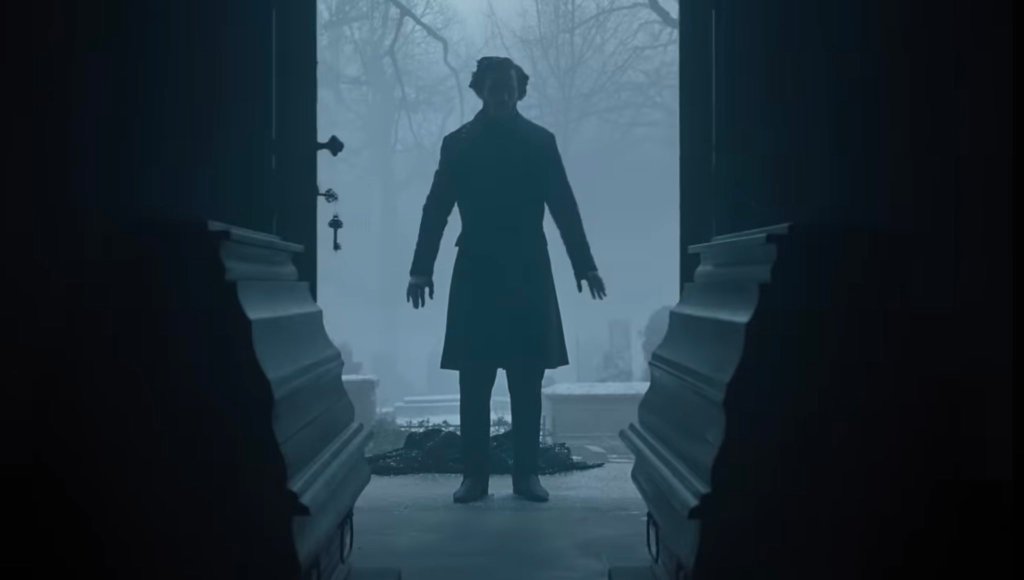
So when a young woman reawakens a demon from his century long nap, he brings about chaos and destruction with a hunger that cannot be satiated. A city, the defining symbol of civilization and the marker of our dominance over the natural world is terrorized by a being beyond our rational understanding. The vampire unleashes a plague upon the townsfolk, weaponizing the close quarters that were built to protect. Our strength in numbers and fortified towns are no match for a monster who is older than we can even conceive.

Do we have free will or are we simply at the mercy of unforeseen forces? Are our fates sealed? Are we doomed to the narrative?
The urge to diminish the unexplainable and intangible is rational, but do so at your own peril. Evil is abstract and hard to define. In order to confront malice and hatred in its purest form, we must be open to the idea that it exists at all. The desire to dismiss is born out of fear. Fear that there’s things in the world beyond our control. Fear that when we face evil we may see our own reflection staring back at us.


 Reel Take
Leave a comment