
A Real Pain is a deeply heartfelt meditation on grief and suffering told through the lens of a classic buddy comedy. It’s writer-director Jesse Eisenberg’s second feature length film who also stars as David, an anxious and reserved career man. Kieran Culkin joins him as Benji, his emotionally volatile, sometimes abrasive, but always sincere, cousin. Development began in 2022, with Emma Stone’s Fruit Tree signing on to produce the project. Eisenberg was previously unaware of Culkin’s work and it was at the suggestion of his sister to get him to read for Benji.

It was the first major role for Culkin after starring in HBO’s hit series Succession. In an interview, Culkin expressed that the intensity of his role in A Real Pain gave him doubts, especially so soon after Succession. It was after gentle prodding from Emma Stone that Culkin agreed to stick with the production. The film premiered at this year’s Sundance Film Festival where Eisenberg won the Waldo Salt Screenwriting Award. It is performing well during this year’s awards season with both Eisenberg’s screenplay and Culkin’s performance receiving critical acclaim.
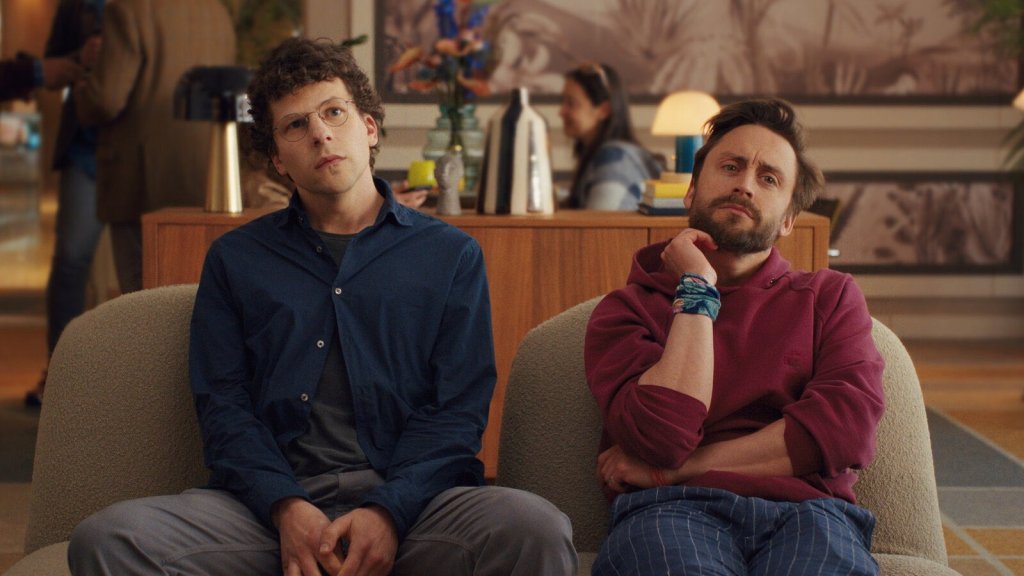
The film follows estranged cousins David and Benji during a trip to Poland where they reconnect with their heritage and visit the former home of their recently deceased grandmother. David is a type A, neurotic who has built a stable life for himself in New York with his wife and child. In contrast, Benji is a directionless slacker, still living in their hometown, who resents David for drifting apart. The trip is not only an opportunity for them to learn about their family’s history, it is also a chance to rekindle the bond they once shared in their youth. Naturally their personalities clash, having wildly different perspectives of the world, but they each have something to learn from the other.

David encourages Benji to reconsider what he wants from life, to regain agency, and take responsibility for the outcomes of his actions. Benji attempts to break down David’s emotional walls, wanting him to feel things more deeply, and to not simply jump through all the hoops life presents. This dynamic is set against the backdrop of a Holocaust Memorial tour, with each stop along the way serving as the arena for them to reconcile these differences.
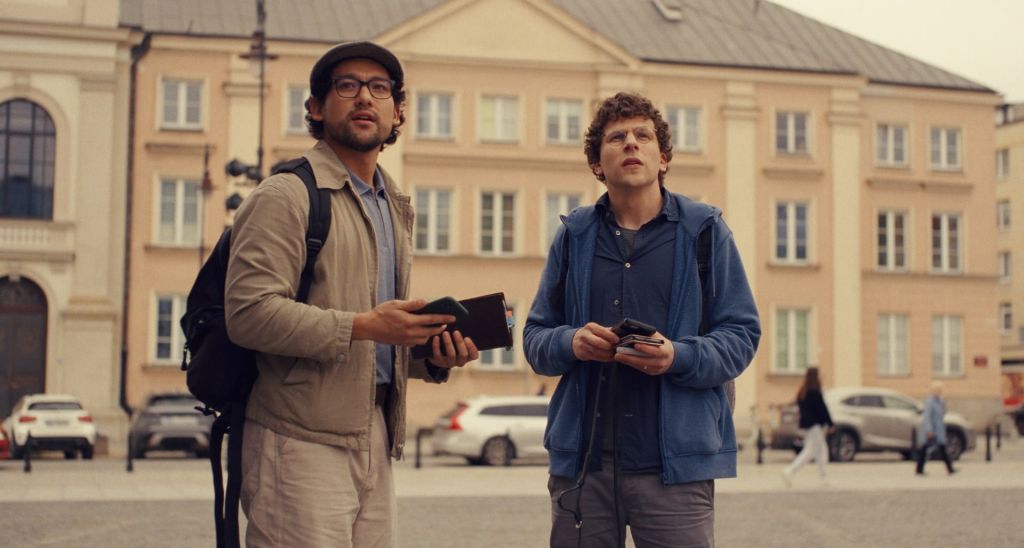
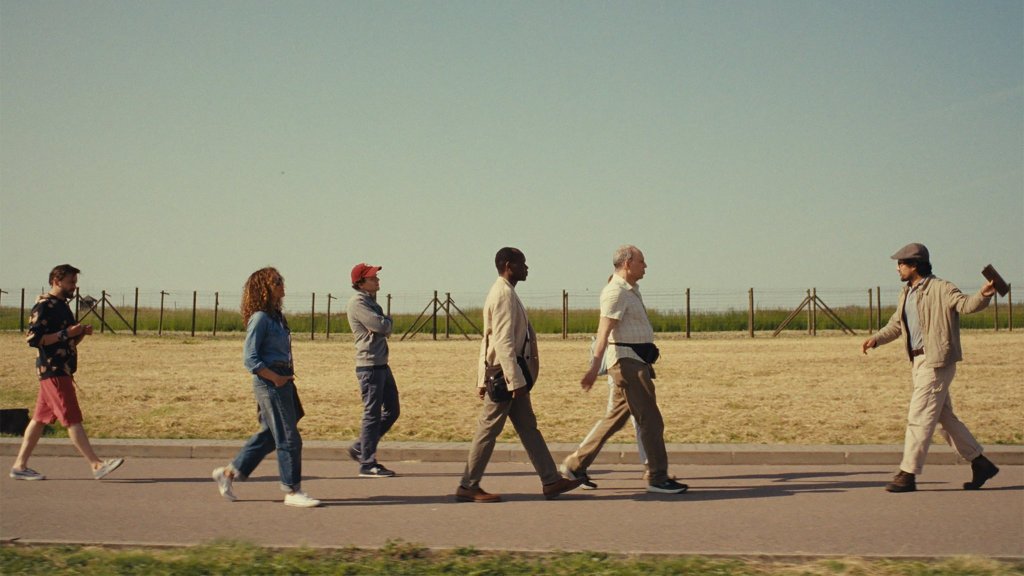
When they arrive in Poland, they are joined by a knowledgeable, yet cold, British tour guide named James who introduces them to the others in the group. Marcia is a wealthy recent divorcee who is concerned with how shallow her life has become. Mark and Diane are bored retirees seeking to reconnect with their culture. Eloge is a survivor of the Rwandan genocide who converted to Juddaism after fleeing his home country. As with the case of David and Benji, each of their struggles are implicitly contrasted with the horrors of World War II and the Holocaust. The group grows close over the course of the trip and the pilgrimage changes their perspective on suffering. But Benji doesn’t make it easy for them.
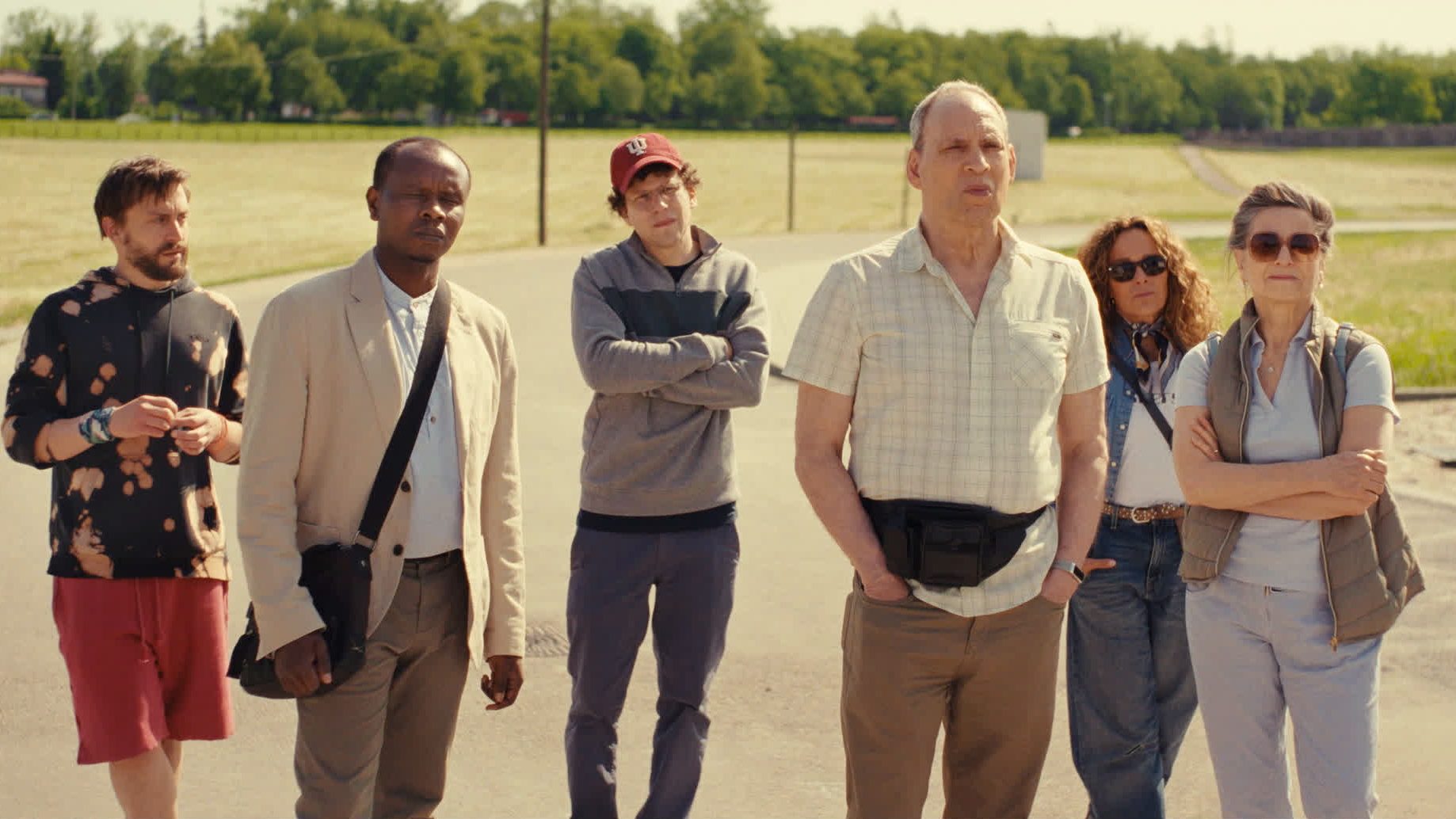
Benji has an undeniable magnetism that draws people into him. He’s able to socialize, flirt, and disarm with ease, lighting up every room he enters with captivating energy. David is deeply jealous of his innate ability to engage with others. For him, connection is challenging and putting himself out there causes great discomfort. However, Benji easily charms the fellow tour group members, getting them to open up about themselves, while revealing very little about himself in the process. In this way, Benji is able to keep everyone a safe distance away without calling too much attention to his issues. It’s a defense mechanism that goes unchallenged for much of the film.
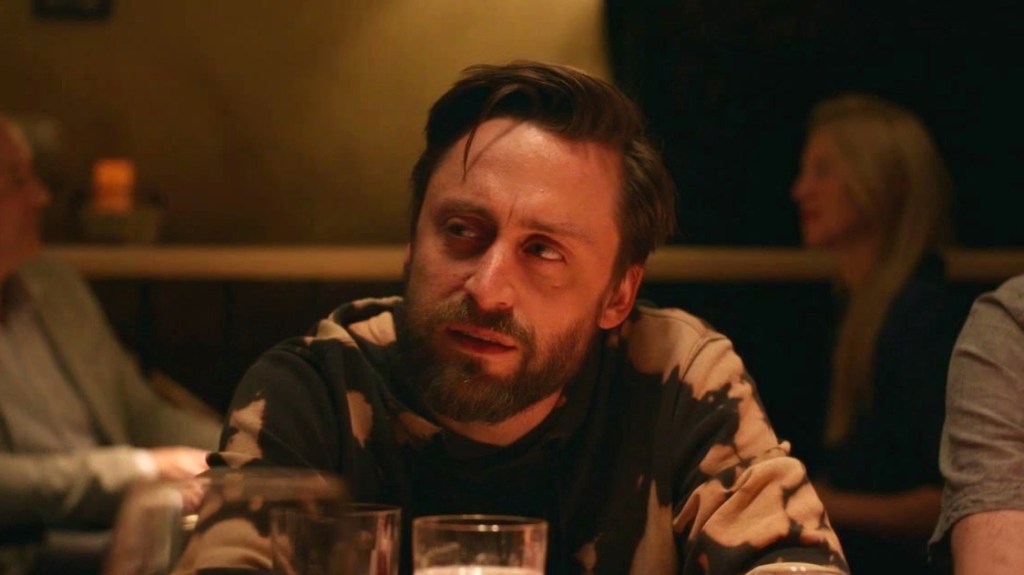
When Benji is frustrated or upset though, he expresses it through bursts of rage and condemnation. He’s rude and off putting, with little regard to the feelings of others. At a Jewish gravesite, he lashes out at James for sharing his knowledge in a way that Benji feels is insensitive to the experience. As the only non-Jewish person on the trip, James is caught off guard by this accusation of insincerity. To him, retelling the story of the people buried here is his way of honoring their legacy. But that’s not how Benji sees it. The simple reporting of facts comes across as Holocaust trivia to Benji, ignoring the very real pain that was inflicted on them in life. Lacking the tact to express his agitation, he effectively derails this portion of the tour, silencing James in the process.
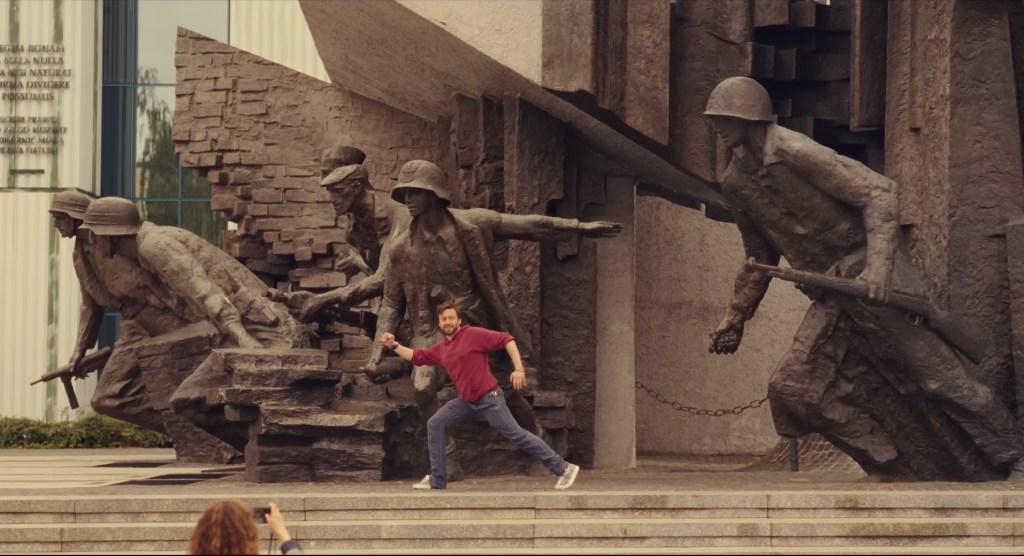
It exemplifies Benji’s irrationality, lack of discipline, and self control. Whereas most would be keen to nod along appropriately to the tour guide’s lecture, he must express his displeasure. To Benji, it is worse to keep your true feelings hidden than it is to hurt others with honesty. While this forthright attitude is refreshing at times, it can be draining to be around. Particularly for David, who’s incredibly self conscious and would do just about anything to avoid rocking the boat. David quietly apologizes to James on Benji’s behalf and assures the group that his outbursts have little to do with them.
Earlier during the trip, the group takes a train ride to the next historical site. While sitting in first class, enjoying a warm meal and comfortable seats, Benji has yet another meltdown. This time it is to acknowledge the black irony of a group of Jewish people traveling in Poland by train, but under much different circumstances. The guilt he feels is overwhelming, coming from this flagrant display of privilege and wealth. Instead of processing this internally however, he takes his frustration out on the other patrons, criticizing them for not feeling as guilty as he thinks they should. Benji crowns himself as the sole arbiter of appropriate emotional responses and takes to task anyone who does not feel as deeply as he does.
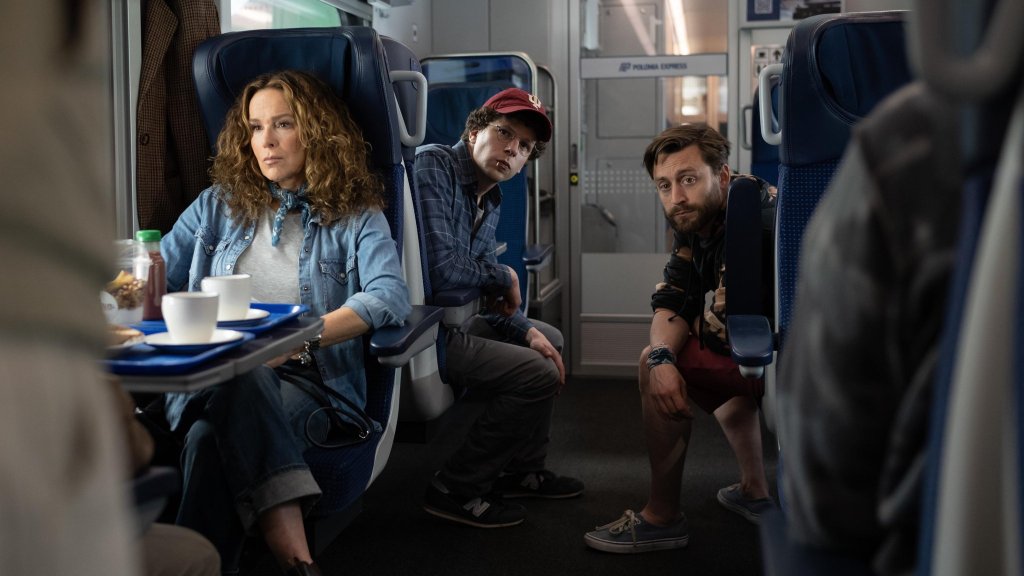
David attempts to quell his anger by asking him why he can’t keep it to himself. Very matter of fact, Benji responds that he’s just saying what he feels. To which David asks, “Why is that important right now?” This is the first of several instances where David confronts Benji directly about his explosive emotional state. It highlights the very nature of their conflict and opposing worldviews. Benji places significant importance on his ability to be honest about how he’s feeling. It almost takes on a virtue like quality, where he refuses to be criticized for it and everyone else is in the wrong for keeping their emotions inside. David is quick to remind him his emotions are not the center of anyone’s world. They do not dictate how others should act in response and do not represent an objective truth. What Benji does not realize is how grating this is to others who see it as immature and arrogant behavior. Why are Benji’s feelings more “real” than anyone else’s?
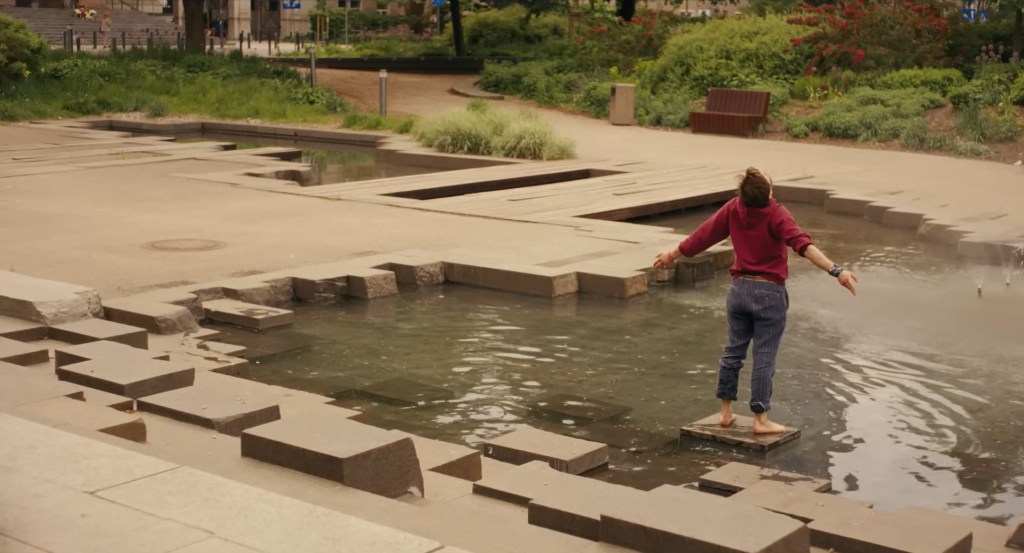
In contrast, David struggles to express himself and moves through the world like he’s apologizing for his own existence. He loves his wife, son, and even Benji very deeply, but has difficulty expressing this to them beyond what is safe and comfortable. David is medicated for OCD, an anxiety disorder that has plagued him since childhood. Benji tells him that he misses the kid he used to know who would cry all the time, for any reason. David defends himself, telling Benji how awful it was to feel that way. How difficult it is to navigate the world when everything feels impossible to manage and compartmentalize. He would not have the life he’s made for himself if he allowed that mental state to dictate all of his decision making. David is right to feel like his anxiety was destructive to his well being, but he never confronts those emotions head on and so they persist just below surface.
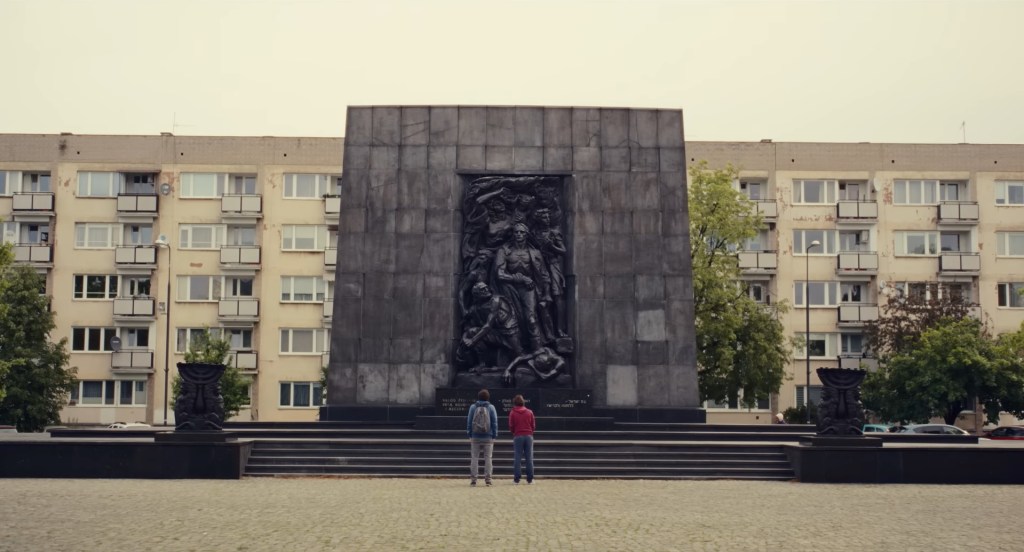
He refers to his own stress and challenges as “unexceptional pain.” Ordinary, nothing distinct from others in his position, and paling in comparison to atrocities like the Holocaust. During a pivotal dinner scene, David recounts his grandmother’s history to the other tour members. By a million little miracles she survived one of the worst events in human history. At a time when the whole world was against her and her people, she persevered, and because of those miracles, David was afforded his privileged life in America. He has difficulty reconciling how grateful he is that she survived, with the guilt of how insignificant his problems are. This is made worse by the fact that his grandmother never once expressed pity for herself. If she doesn’t feel bad for herself, what right do any of us have to feel that way?
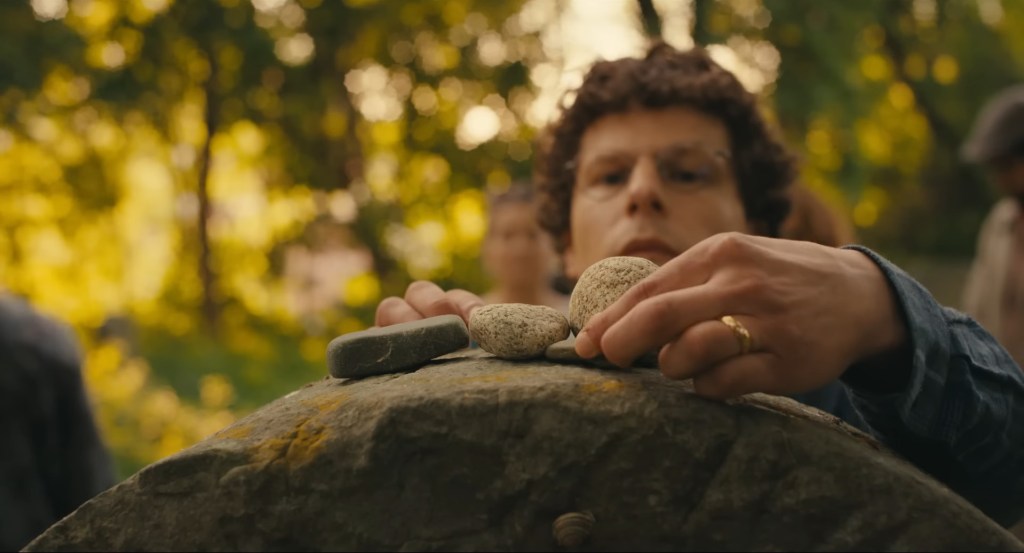
So David refuses to allow himself to feel anything, but a resigned gratefulness for the life he has achieved. Expressing any pain or sorrow would be to spit in the face of everything he has accomplished and everything his grandmother sacrificed. Avoiding feeling deeply as a self righteous badge of honor. While having some perspective is important, there comes a point where actively denying yourself the ability to feel is self harm. With no healthy way of releasing these emotions, they remain bottled up inside and weigh on David, only compounding his guilt.

When confronted on this point David asks, “What would feeling sad about everything all the time accomplish?” To which Benji replies, “I don’t know, maybe sad stuff wouldn’t happen as much?” A naive response no doubt, but there’s something to consider here.
Would atrocities and injustices cease to exist if we allowed ourselves to feel sad about them? Perhaps not, but in our era of information overload it is easy to scroll past the horrors of the world with little consideration. Images of war, genocide, and environmental devastation are shuffled within the same feed as memes, influencer videos, and pop culture news, flattening our engagement, each image becomes one and the same. An endless loop of stimulus that fades to the background the second a new distraction captures our attention.
If we allow ourselves the time and space to sit with these painful realities, it may motivate us to take action to prevent further tragedy from occurring. Or even to deprioritize our petty day to day grievances about work, bills, and relationships. Things that matter to us more in the moment, as they impact us directly, but cloud us from appreciating the privileges we take for granted.
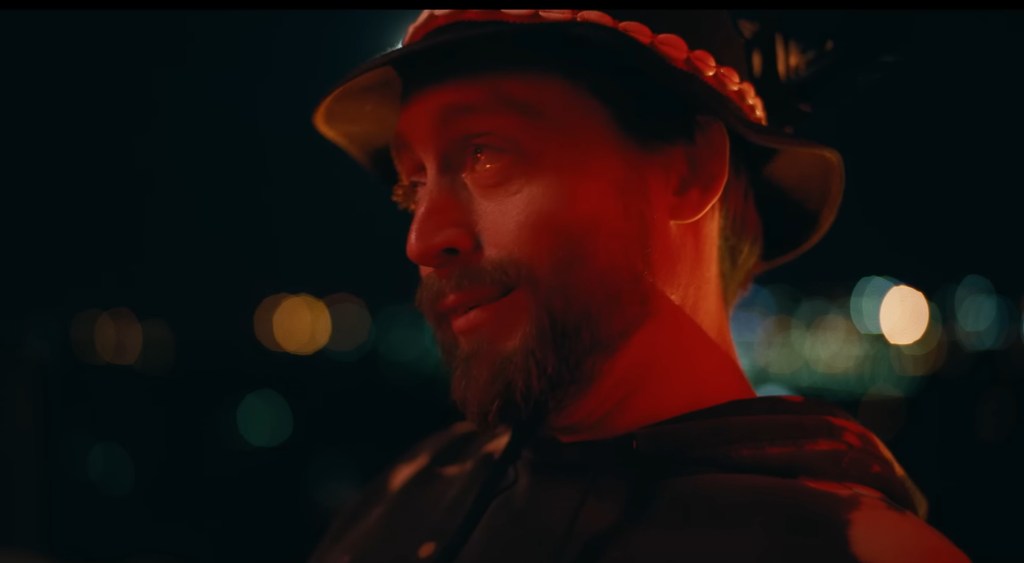
However, Benji more or less lives by this principle and is completely despondent, yet the world’s traumas continue on. He suffers from depression and six months prior to the film’s events attempted to take his own life. David struggles to make sense of the senseless, fearing the worst for his cousin who he cares deeply about. To David, Benji’s actions are the direct result of taking on the world’s misery as his own. Therein lies the difference between allowing yourself to work through pain and simply wallowing in it.
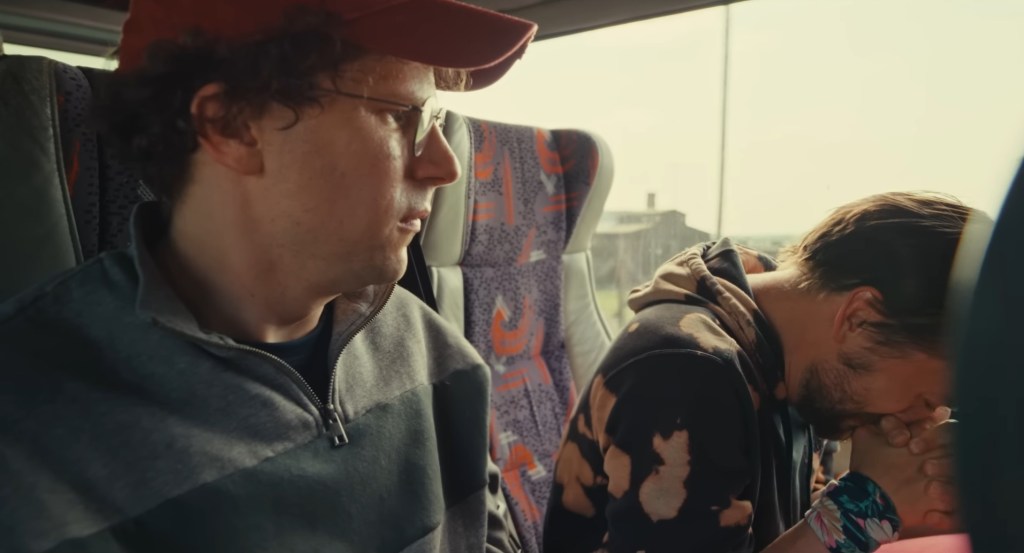
Neither David’s detached numbness or Benji’s overwhelming self pity serve them or help ease the pain of others. Both men are trapped in a perpetual state of distress, helpless against a world where tragedy is reduced to a blip on a phone screen. A passing thought before the next horror is revealed. The panic and despair take up so much space and energy within us that there’s little room for empathy or more importantly action. Eisenberg does not pretend to know the answers to the pressing issues of our time nor does he say definitively how we should channel these emotions. Instead what is offered is a change in perspective, an opportunity for us to reevaluate the only life we have and what we can do with it to alleviate the world’s suffering. Even if our efforts only provide temporary relief, even if they only help one other person. By a million little miracles, we press forward. Together.



 Reel Take
Leave a comment