
Civil War is an action fueled dystopian thriller that capitalizes on our current cultural moment to play out a horrifying “what if?” scenario. Alex Garland, of Ex Machina and 28 Days Later acclaim, wrote and directed the film, produced by A24. Civil War had several controversies leading up to its release, primarily an unfounded fear that it would inspire real world violence or secessionist movements. This seems to have affected the publicity and marketing surrounding the film, as there was a sudden urge to assure everyone that Civil War was not intended to be political commentary. On the subject of marketing, the film received criticism for a series of posters depicting American cities under siege which were swiftly condemned for the use of generative AI to create these images. It is the production company’s most expensive release to date and despite the controversies, the gamble appears to have paid off. As of writing, Civil War is the second highest grossing A24 film of all time, trailing just a few million behind Best Picture winner, Everything Everywhere All At Once.
The film stars Kirsten Dunst as Lee, a hardened wartime photojournalist who is gearing up for the job of a lifetime, photographing the last President of the United States. Alongside Lee is Wagner Moura as Joel, a sarcastic and smooth talking Reuters reporter, Stephen McKinley Henderson as Sammy, a wise and tenacious New York Times journalist, and Cailee Spaney as Jessie, an aspiring photographer in over her head. The team receives intel that the secessionist group, the Western Forces, is gearing up for an assault on the Capital and they must act quickly. Against Lee’s advice, Joel agrees to let Jessie tag along, reminding Lee that the two of them weren’t much older than her when they first started. Lee reassures Jessie that it’s not personal, but they simply cannot afford the risk of having someone unseasoned join them. She warns Jessie that the civil unrest she’s witnessed in New York City is nothing compared to what’s happening across the country, especially on the frontlines. Jessie willfully accepts this baptism by fire, knowing full well the potential consequences. Lee and her team embark on their dangerous journey from New York to D.C. where the threat of violence is just around every corner.

Much of Civil War plays out like a typical road trip film with nearly every scene occurring within their press van or at stops along the way. Garland uses this classic story structure to develop the relationships between each character and flesh out their motivations. It’s here that we learn how important it is for Lee and Joel to be the first journalists in D.C., how Jessie first got interested in the profession, and why Sammy continues the fight despite his old age. This is achieved through extended car conversations which occur during the moments of relief in between each of the film’s set pieces. In this way, it functions much like a theme park ride, an on the track thrill experience that guides you through snapshots of a crumbling empire.

These four characters and their desire to capture history as it’s happening is the heart of the film. Civil War is a love letter to journalists who brave the frontlines of war, the people who risk their own lives to make sure the public knows the truth. This is the driving motivation behind Garland’s film, as he could’ve easily kept the same setting but with members of the Western Forces as our protagonists. Despite being about war, this is not a movie about soldiers or really even the political fall out that led to this situation. It is first and foremost a movie about the ethics and dangers of this profession.

Dunst is an unlikely action hero who’s weapon of choice is her Nikon. Her performance is understated, yet one look into her eyes reveals her battleworn spirit. She’s not unfeeling, but decades of experience have forced her to push the trauma deep within her psyche. Seeing Jessie in danger, shakes Lee out of complacency, reminding Lee of her younger self before she became desensitized to the carnage. When Jessie expresses disappointment in herself for freezing in the moment and failing to take any photographs, Lee confronts her with a line that encapsulates the film’s philosophy: “Once you start asking yourself those questions, you can’t stop. So we don’t ask. We record, so other people ask. You want to be a journalist? That’s the job.” While slightly callus, Lee’s point remains. It is not their responsibility to get emotionally involved with their subjects nor is it their job to tell people how to feel about it.

Garland wants to apply this philosophy to his own filmmaking, allowing the audience to interpret the circumstances that led to the second American Civil War. He’s not too concerned about spelling out exactly what happened for us, arguing that those details are insignificant to the subject at hand, war photography. Providing a timeline of events or uncovering the specific motivations of the secessionists also runs the risk of becoming a lecture on politics which understandably is unappealing to the average movie goer. Garland had to have known this film would be controversial given the current political climate in America and that there’s plenty of impassioned emotions to go around. In that sense, it’s not necessary for him to tell you how to feel because you likely already have strong feelings about the state of unrest and the federal government’s push towards consolidating power. So instead, he invites the audience to hitch a ride with this crew of journalists as a passive observer to the end of a nation, filling in the blanks with our own fears over the future of this country.

But when the explosions die down and the dust starts to settle, what is left? A muddled and incoherent thought experiment, completely divorced from reality. America is primarily just set dressing. The events of the film take place an indeterminate amount of years into the future, but the world still largely resembles our own. So why is the bipartisan strife which plagues our electoral politics completely absent from the film?
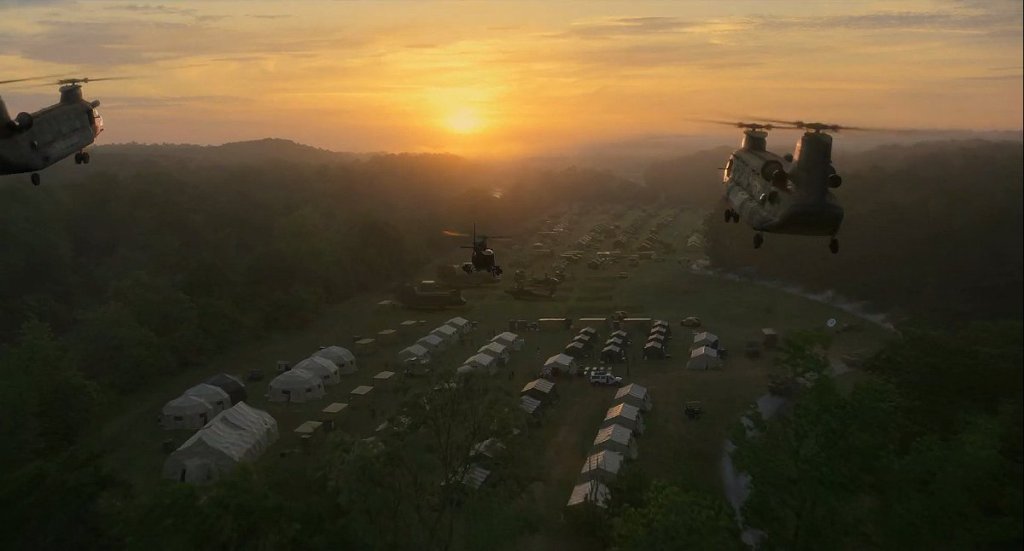
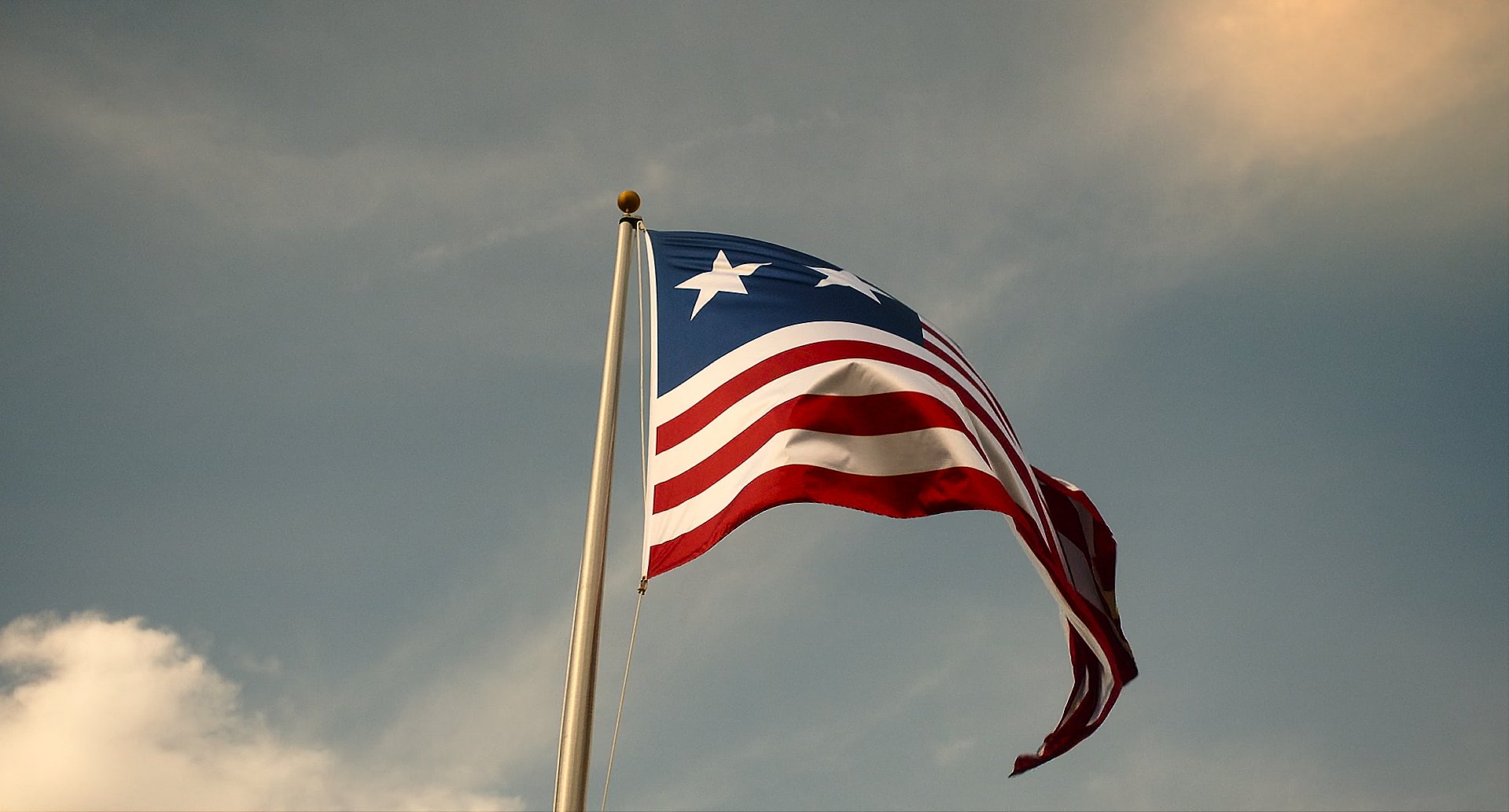
It reeks of cowardice to exploit the public’s legitimate fears, which stem from the rise of political polarization, only to say nothing specific about it. The Western Forces are composed of an unlikely alliance between California and Texas, a deep blue and deep red state, who have somehow managed to put aside their differences to unite against the government. Not only does this seem incredibly implausible given the current climate, the film is entirely uninterested in exploring this tenuous partnership. There’s no references to when, how, or why this alliance formed, much less how they have managed to succeed against the US military. There’s no infighting over their goals or plans for a replacement government after their victory. Just stock good guy freedom fighters here to save the day. It’s all just a little too shallow for a film that wants you to think critically about this moment in our history.

Which is frustrating because Garland wants to have his cake and eat it too. Nick Offerman’s President is a third term dictator who has disbanded the FBI and squashed all political dissent with force. While his style and mannerisms are unique to this character, there’s only one United States President in recent memory who has toyed with these fascist ideas. The character is not a simple stand in for Donald Trump, nor am I arguing he should’ve been. However, Garland began developing this script in January 2022, a full year after the January 6th insurrection at the Capitol, which obviously served as one of many inspirations for Civil War.

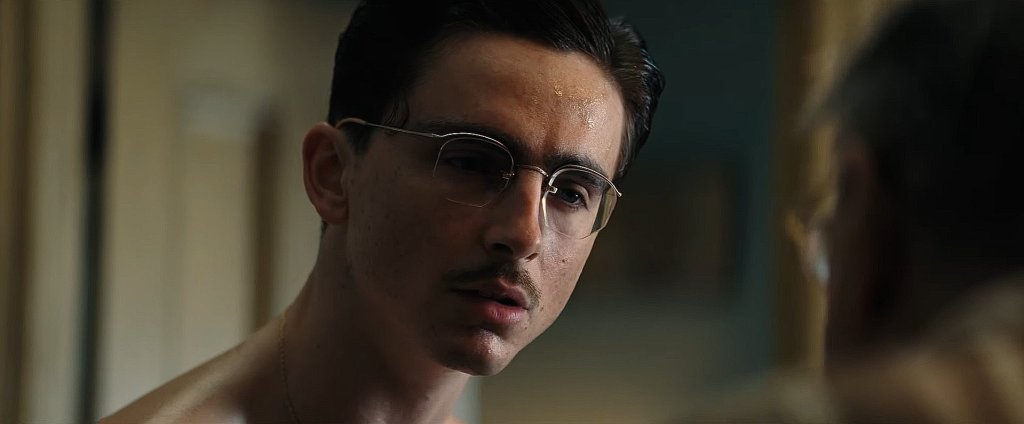
Then there’s Jesse Plemons’ character who was heavily featured in the marketing for the film. He plays an unnamed paramilitary, nationalist who holds our protagonists hostage during a critical turning point in the story. This character is armed to the teeth and specifically targets minority civilians amidst the chaos of the ongoing war. He’s a virulent racist using the war as a shield to play out his violent fantasies without any consequences. There’s a dissonance that makes this the most compelling scene in Civil War. Plemons’ performance mocks the type of man who is opportunistically waiting for a chance to act with impunity. This is reinforced by his fresh out of the package, and off brand military fatigues completed with bright pink sunglasses. This is a man who adopts the aesthetics of militarism, but primarily as a costume. This is not someone who’s had extensive training, rules, or any guiding principles and that’s what makes him so terrifying.
Vigilantism and militant separatist movements thrive in these conditions and there’s no recourse because the government is distracted by existential threats. This is the closest Garland gets to criticizing a current political movement in America at any point during Civil War. He manages to do so without lecturing the audience, hitting them over the head with speeches, or calling out specific movements by name. So it is disappointing that Garland was unable to effectively carry this critique through the rest of the film.
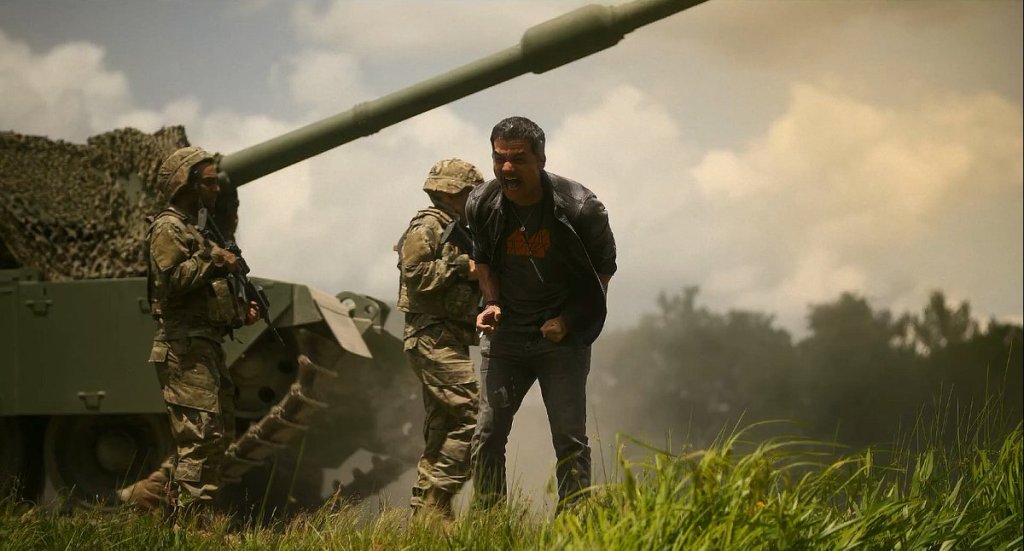
Civil War wants to be a provocative conversation piece, but is so afraid of alienating potential audience members that the end result is rather toothless. Dunst and company give engaging and heartfelt performances, the script is expertly paced, energizing from start to finish, and Garland has created a harrowing future ripe for dissection. All of the pieces are there to make this a truly excellent thriller. Yet its execution leaves a lot to be desired. A film does not need to have a fully formed political identity to be successful, nor does it have to perfectly align with an individual’s personal beliefs. However, it should have a theme and point of view that is consistent throughout. Civil War brings up more questions than it cares to answer and puts the onus on the audience to decipher its meaning. This can be a challenging demand considering the film’s lack of convictions and overemphasis on spectacle driven, high adrenaline thrill rides. Garland’s generic warning falls on deaf ears and in the end we’re left no closer to understanding this current moment in American history.


 Reel Take
Leave a comment