I Saw the TV Glow is a horror drama that explores the complexities of identity, the deceptive nature of nostalgia, and the lifelong process of learning to let go. The film is the second feature directed by Jane Schoenbrun, a rising independent filmmaker whose previous work, We’re All Going to the World’s Fair, shifted the indie horror space and highlighted queer themes within the genre. I Saw the TV Glow was produced by Emma Stone’s production company, Fruit Tree and distributed by A24. It premiered at this year’s Sundance Film Festival.
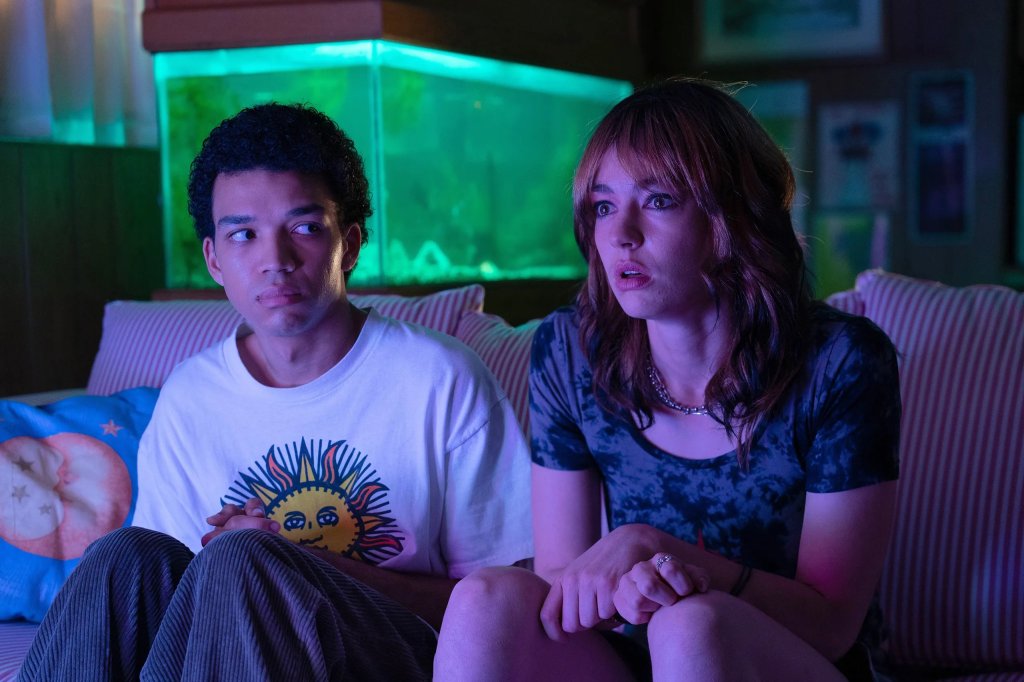
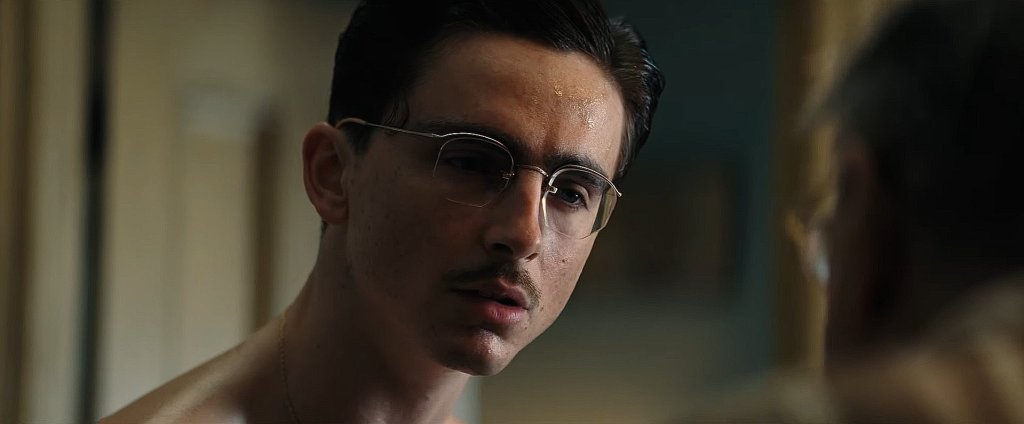
Set in 1996, Justice Smith stars as Owen, an insecure teen whose oppressive homelife prevents him from exploring his identity and as a result, he lacks the self awareness needed to build friendships. His world is upended when he meets Maddy, played by Bridgette Lundy-Paine, a brooding alternative girl who shares her obsession with a teen horror drama, “The Pink Opaque.” Owen is not allowed to stay up late enough to watch the show at home, so Maddy convinces him to lie to his mom about a sleepover and sneak out. To Maddy’s surprise, Owen pulls through with the lie and is immediately infatuated by the sights and sounds of the late night show.

Two years pass and both teens are still struggling with their abusive fathers and being abandoned by their more “normal” friends. Maddy, who initially pushed Owen away, comes out to him as a lesbian and questions his motives for wanting to be her friend. Owen reaffirms to her that he’s not interested in sex, just “The Pink Opaque” and their friendship begins to flourish. A year later, Owen’s mom passes away and Maddy flees their hometown to escape her family, leaving Owen isolated with just his father. Another eight years go by and Maddy surprisingly reemerges, convinced that the events of “The Pink Opaque” happened to her and Owen. She encourages him to join her in the TV series so the two can escape their miserable lives together.
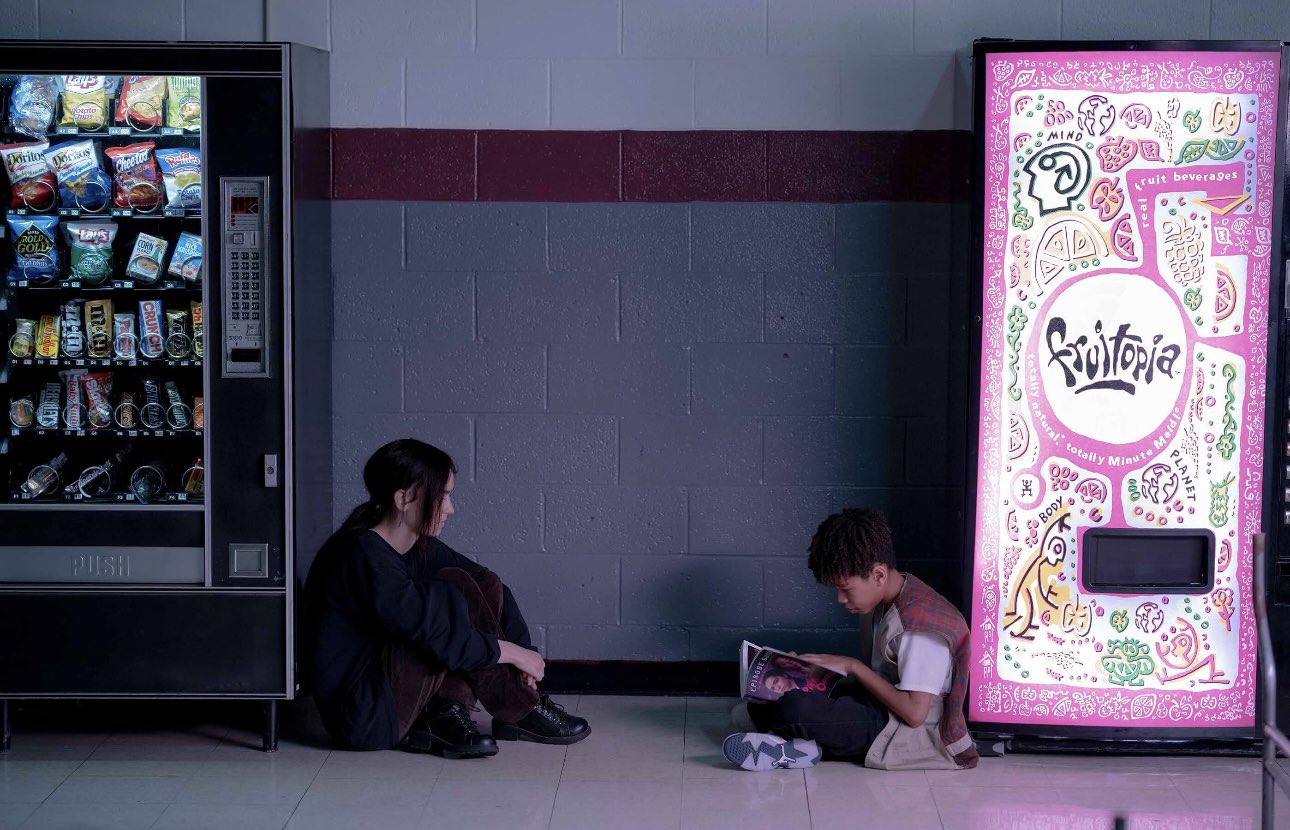
Schoenbrun weaves a deceptively simple coming of age story into one of the most compelling transgender allegories ever put to film. It is not just a story about teens and their obsession with their favorite TV shows. It’s a story that speaks to how queer kids latch onto obscure media, horror especially, as a life preserver in a sea of suburban decay and heteronormativity. How those worlds can oftentimes feel more real than reality. How a character like the show’s antagonist “Mr. Melancholy” can be blamed for the world’s ills which is a huge relief because at least he can be defeated.

Owen does not know who he is. When pressed by Maddy on whether he likes girls or boys, he responds that he likes TV shows. It is the safety and comfort of “The Pink Opaque” that allows him to explore his identity without fear, at least the monsters here are not real. Throughout the film, he grows to identify with Isabel, one of the show’s protagonists, and in his fantasies he begins to dress and act like her. During the series finale, Isabel is buried alive and cursed to exist as a passenger in someone else’s consciousness, which turns out to be Owen’s. None of which is meant to be taken literally, but it does inform Owen’s character and why he struggles so deeply with his identity that he resigns himself to not needing one at all. He’s a blank slate, comfortable going through the motions despite harboring these intense feelings of gender dysphoria.
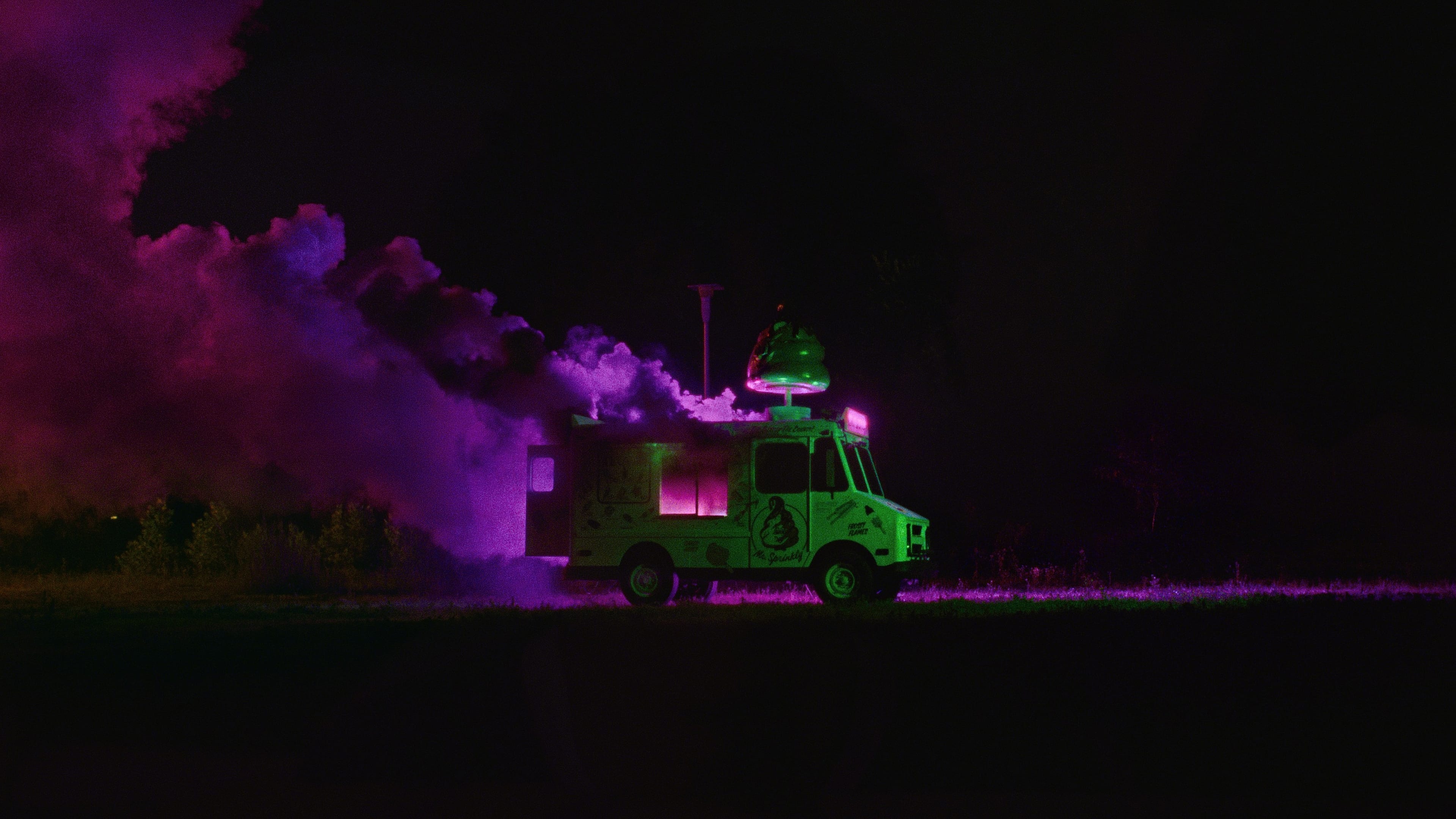
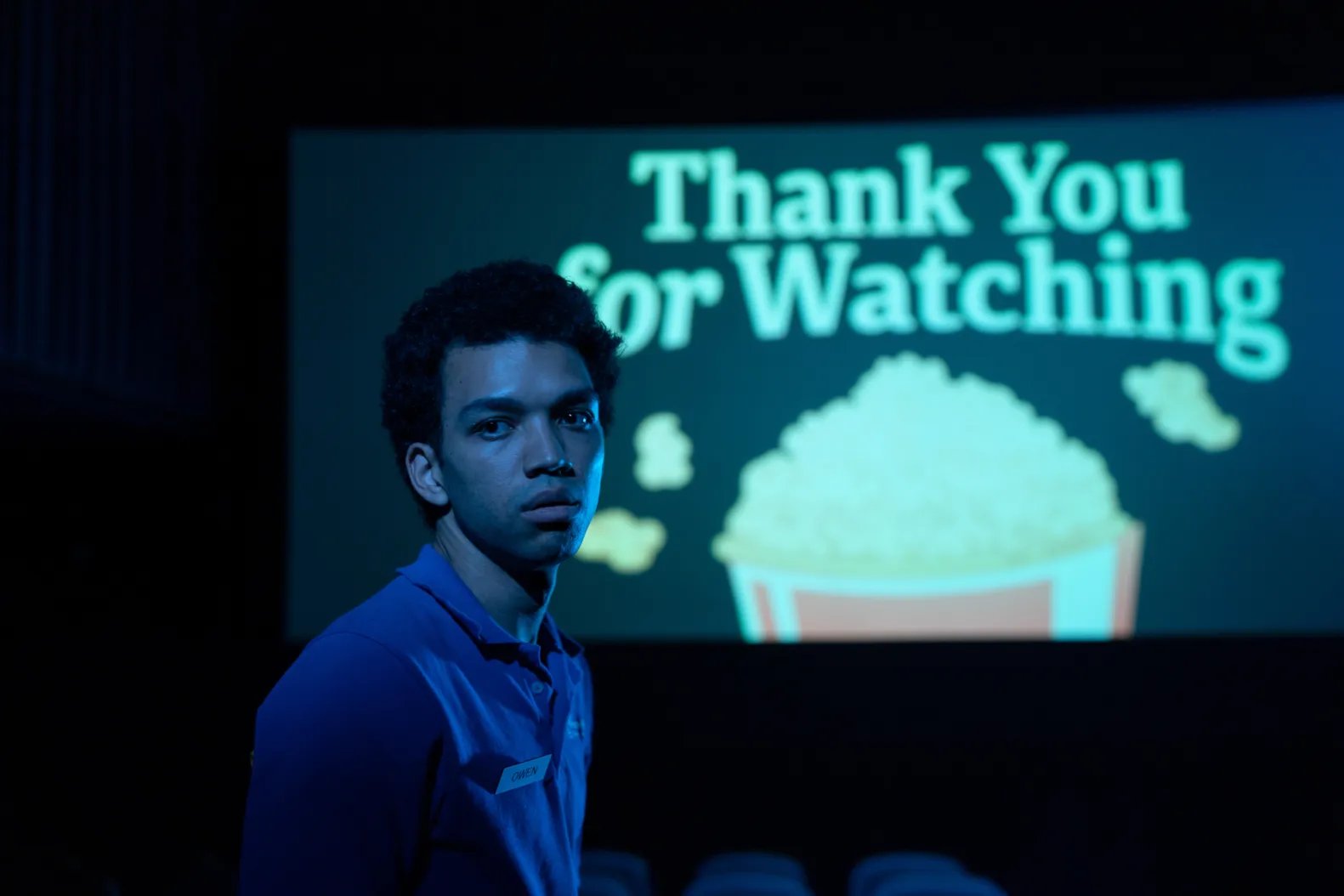
When “The Pink Opaque” hits streaming services in the early 2010s, Owen is disappointed by the show’s cheesy dialogue and decidedly unscary monsters. This is not the show he remembers watching. And that’s the thing, it hardly ever is. Nostalgia plays tricks on our emotions, convincing us that things in the past are better than the present, but also that the past was more fulfilling and exciting than it actually ever was. Owen is struck by how the memory of his favorite show is overstated and that the identity he formed around it might be fraudulent too. Over ten years since he first met Maddy, and he is back to not knowing who he really is. It is a devastating realization that comes right on the heels of his father passing away and Maddy disappearing forever, which forces him to look inward for the first time in his life. This culminates in a final act of self determination as Owen suffers a mental breakdown at his menial day job, only to return to work as if nothing had happened.

Schoenbrun crafts a deeply moving and meditative film on transgender identity, the constraints of suburban life, and the misleading nature of nostalgia. However, the film’s philosophical pondering and reliance on neon, analog aesthetics often take precedence over the film’s narrative. Owen, by design is a passive protagonist which tends to be a drag on the story’s forward momentum. His inaction, while revealing his character, makes it difficult to fully invest in his journey, particularly in the second act where Maddy takes a more central role in the narrative. I kept waiting for him to do something, to take any action to course correct his life.
The final moments of the film are the closest we get, and they certainly left me gasping for air. While the build up and release was effective there, it still occurs way too late in the story. What’s left as a result is a premise that grabbed a hold of me right away, only to meander its way from one introspective monologue to another. I don’t need films to be loud or have heart pounding set pieces, but they do need to sustain my interest for the duration. As much as I resonated with Owen’s experience, it was not enough to keep me from occasionally checking out.

I Saw the TV Glow is a poignant drama about struggling to form an identity in a cultural landscape that is actively hostile to who you are. Despite its issues with pacing and character development, it succeeds at revealing the dangers of escapism, dissociation, and repression. The seductive power of nostalgia is a creeping force that will derail your life if you allow it to take hold. Schoenbrun is a pioneer for transgender cinema, I have never seen a film before that is able to address queer themes this delicately, honestly, and with an abundance of compassion. By narrowing down the film’s scope, Schoenbrun is able to speak to experiences which are overlooked by the industry in favor of more straightforward, queer stories that are digestible to a mainstream audience. I Saw the TV Glow encourages us to not rely on external validation for reassurance in our identity and how avoidance and escapism can be just as much of a prison as accepting reality at face value.


 Reel Take
Leave a comment