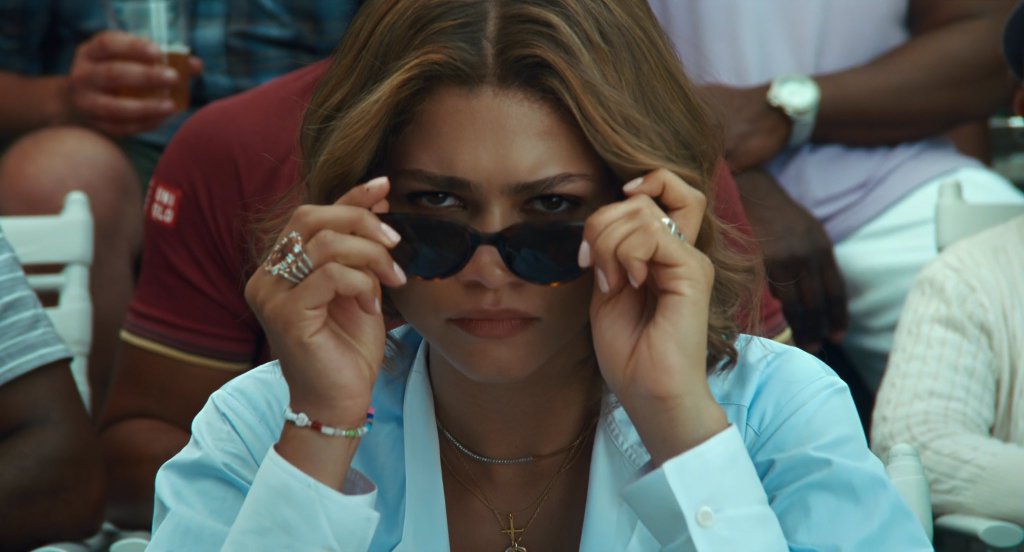
Challengers is an electrifying sports drama about two best friends whose rivalry is pushed to the absolute limit when they compete for the affections of a rising tennis star. The film is directed by Luca Guadagnino, known for Call Me By Your Name, I Am Love, and Bones and All. Guadagnino’s films all share a sense of eroticism and sensuality just bubbling under the surface and Challengers is no exception. Justin Kuritzkes’s script made its way to The Black List in 2021 where it was swiftly acquired by MGM studios the following year. In addition to starring in the film, Zendaya served as a producer where she worked directly with Kuritzkes on developing her character Tashi, expanding the film’s potential beyond a simple tennis drama, and ultimately the decision to hire Guadagnino as the film’s director. Challengers was initially set to release in September 2023, but was delayed due to the actor’s strike at the time.
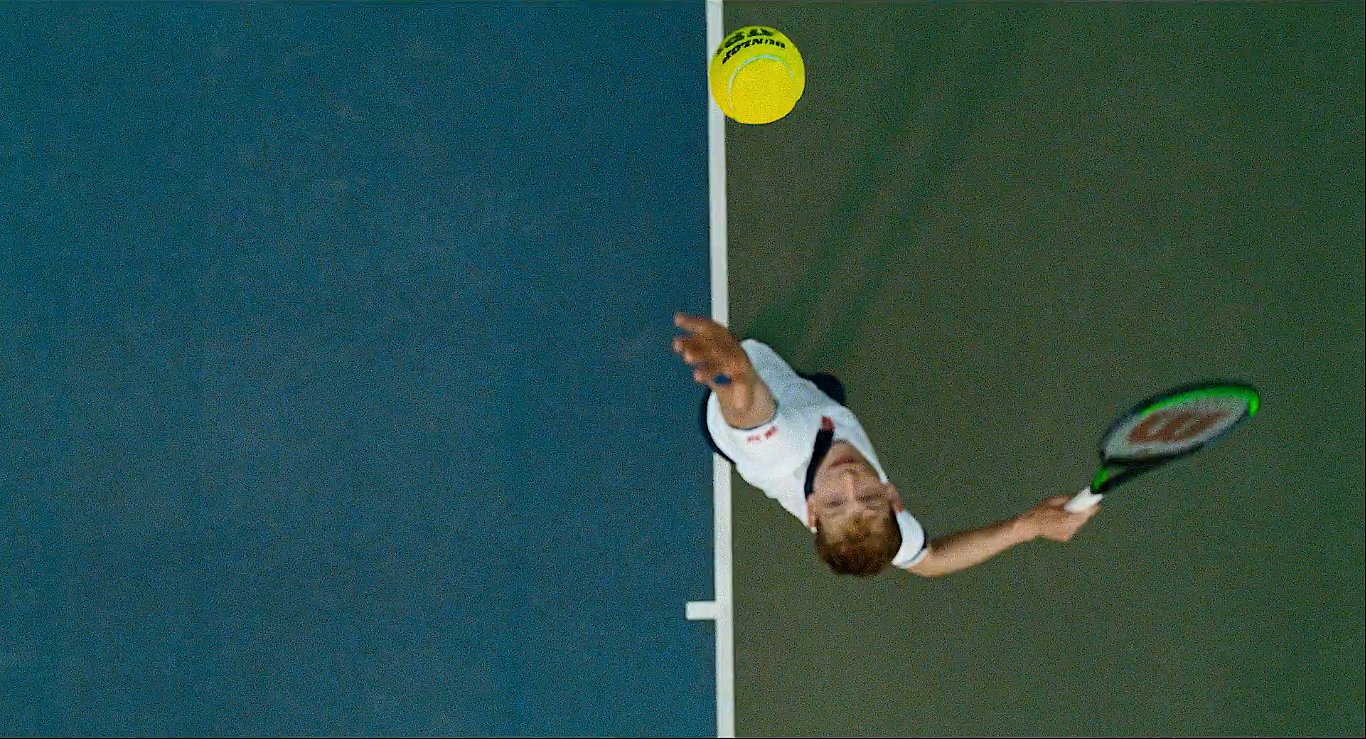
The film is told through a non-linear narrative. It uses a Challenger event in 2019 as a framing device for the story which unfolds over the course of 13 years. At times, this was a little disorienting, intentionally bouncing back and forth like a tennis ball between the two (or more) timelines. On a second viewing, I did not find it nearly as distracting and I grew to appreciate how it is used to reveal the characters’ relationships piece by piece. We meet our three leads during the last day of the tournament. Tashi, played by Zendaya, is a manipulative and cunning business woman who manages her husband Art’s brand deals and competition schedule. Mike Faist is Art Donaldson, a successful, professional tennis player who’s losing his spark and is ready for retirement. Josh O’Connor stars as Patrick Zweig, a natural talent on the court who’s lack of discipline prevented him from producing a fruitful career. The two men were childhood best friends and tennis partners until they met Tashi at the US Open in 2006. It’s here that Tashi first wields her power over them, teasing both boys by offering her phone number as a prize for whoever wins the match on the following day. Their desperation for her attention completely derails both of their lives.
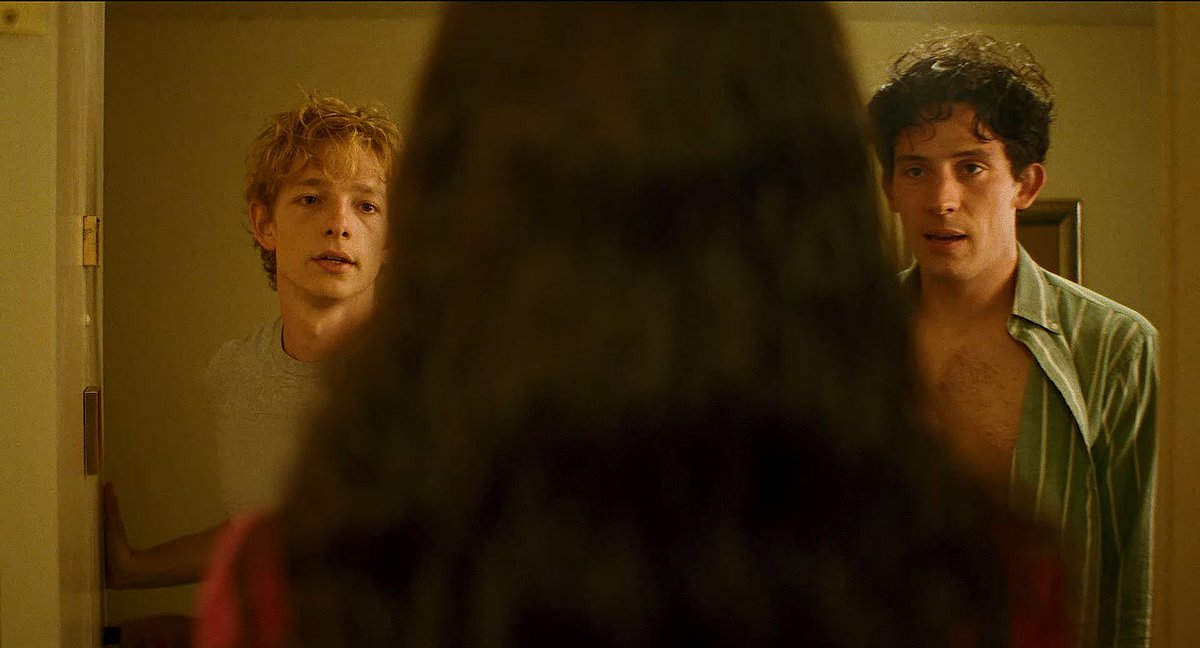
Patrick wins the match and to Art’s dismay, starts dating Tashi. The two have a volatile and sexually charged relationship that quickly fizzles out due to both of their strong natured personalities. Tashi is turned off by Patrick’s lack of interest in improving his game and makes sure he knows it. This spirals into a heated argument which results in Tashi taking her frustration out during a college match later that day. After seeing the empty seat where Patrick should be, Tashi lands incorrectly on the court, shattering her knee in the process. Over the next decade, this career ending injury haunts her with the pain of what could’ve been. Cut to 2019, a burnt out Art is just one US Open title away from a Career Grand Slam. Tashi, now his coach and manager, arranges for him to compete in a Challenger event in order to boost his confidence by going up against lesser players. Both Tashi and Art are shocked to see Patrick on the other side of the net and old passions are reignited.
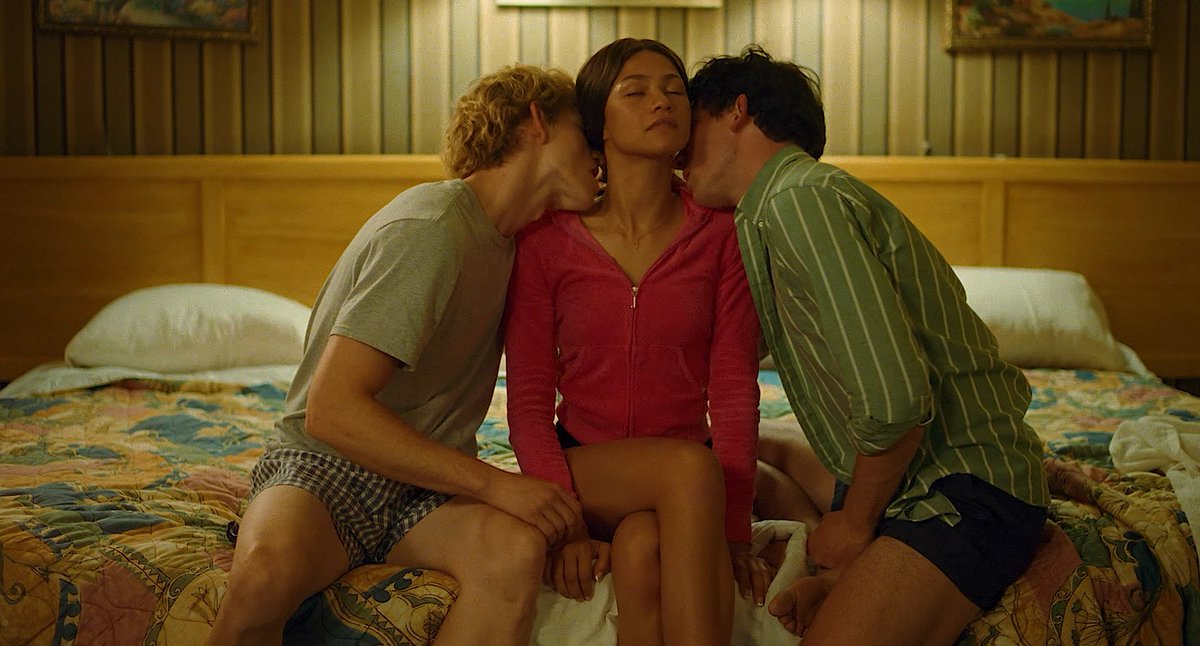
Tennis has never looked as sexy as it does in this film. It’s a confluence of steamy dialogue dripping with double entendre, fully realized performances from the three leads, and of course Guadagnino’s ability to recontextualize the game as a metaphor for power and a relationship between two people. Despite wearing its sensuality on its sleeve, the film surprisingly does not contain any overt sex scenes. Preferring to highlight the lead up and aftermath instead. In part, it’s what we don’t see that makes these relationships so compelling. Challengers constantly keeps both the audience and its characters guessing when it comes to what each scene is really about. Are the boys talking about tennis? Getting with Tashi? Getting with each other?
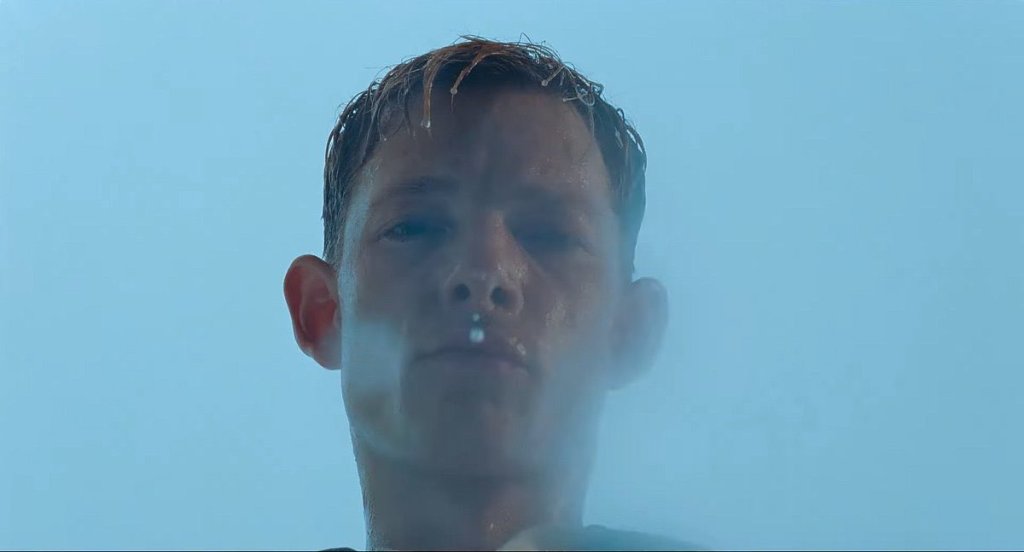
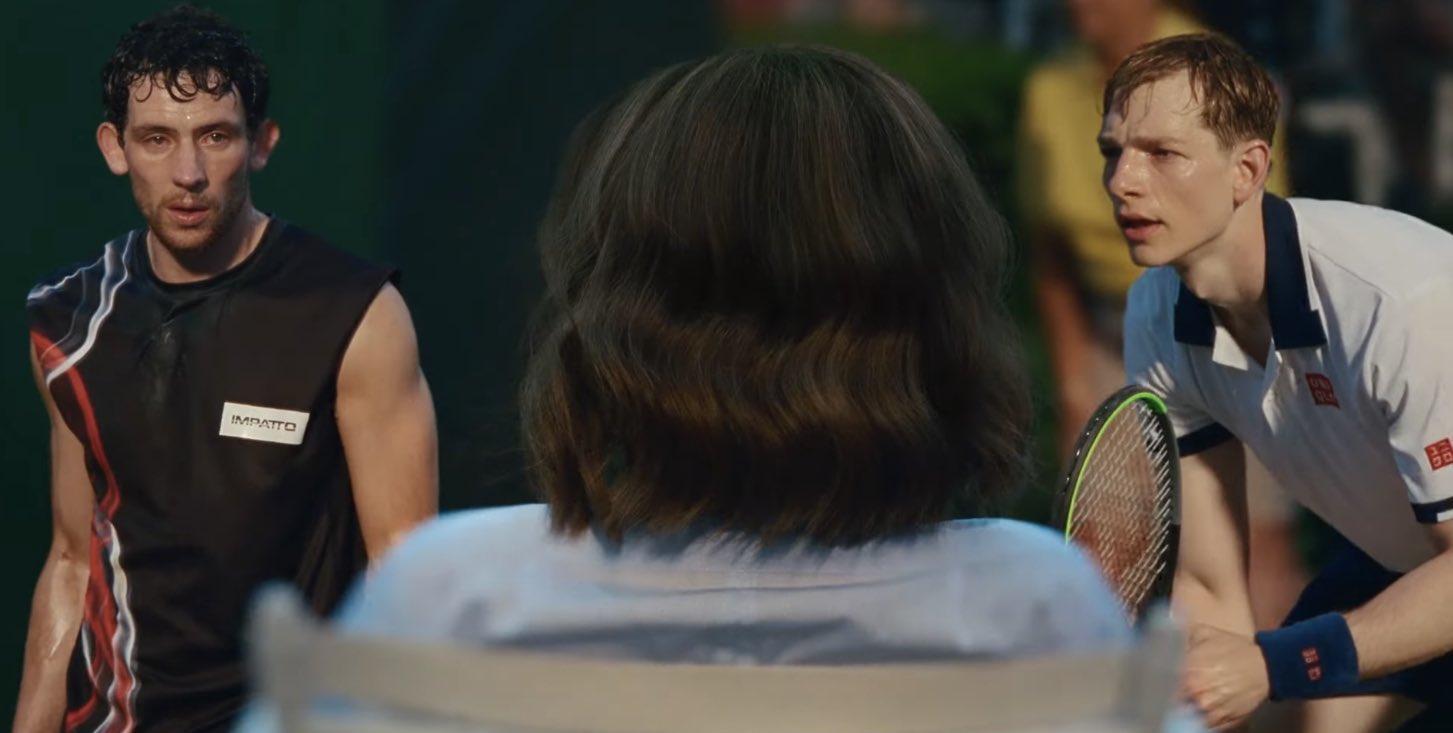
The chemistry is off the charts between Faist and O’Connor which sets this film apart from other love triangle romances. It’s not quite a “gay film” at least in the sense that it is not explicitly about gay characters, relationships, or issues. However, Patrick is heavily implied to be bisexual and his desire for Art nearly matches his attraction towards Tashi. He enjoys manipulating Art, teasing him about his boy next door demeanor and passivity. Patrick is constantly looking for an excuse to touch or be closer to him as well. Several times throughout the film, he locks eyes with Art while eating various phallus shaped foods like a banana or a churro. Although this unfolds through Tashi’s control, the two boys end up sharing a kiss that neither are eager to pull away from. It is not exactly subtle but their repressed feelings for one another adds an additional layer of sexual tension to the triangle and informs the hurt which results from their inevitable fall out.
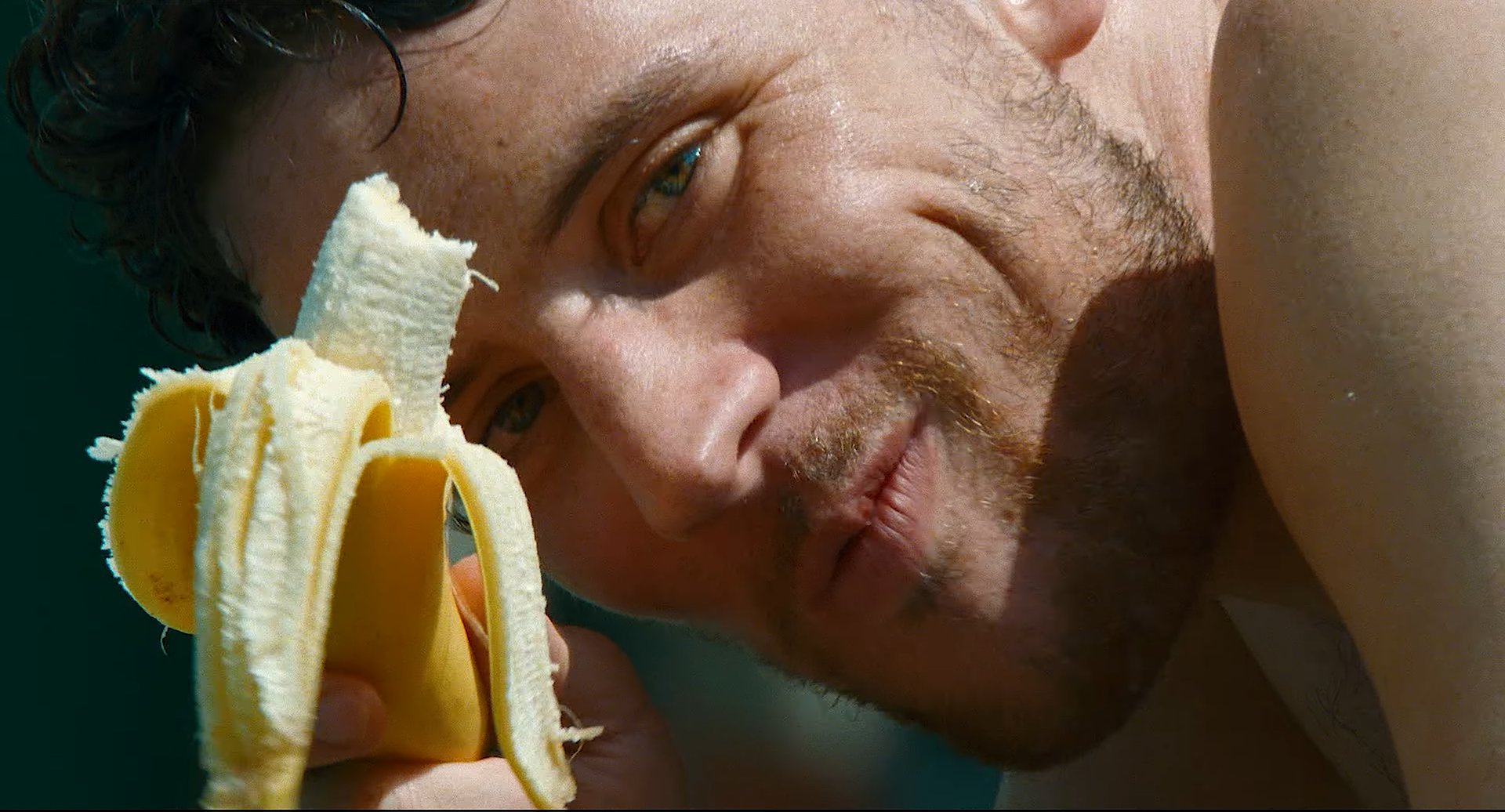
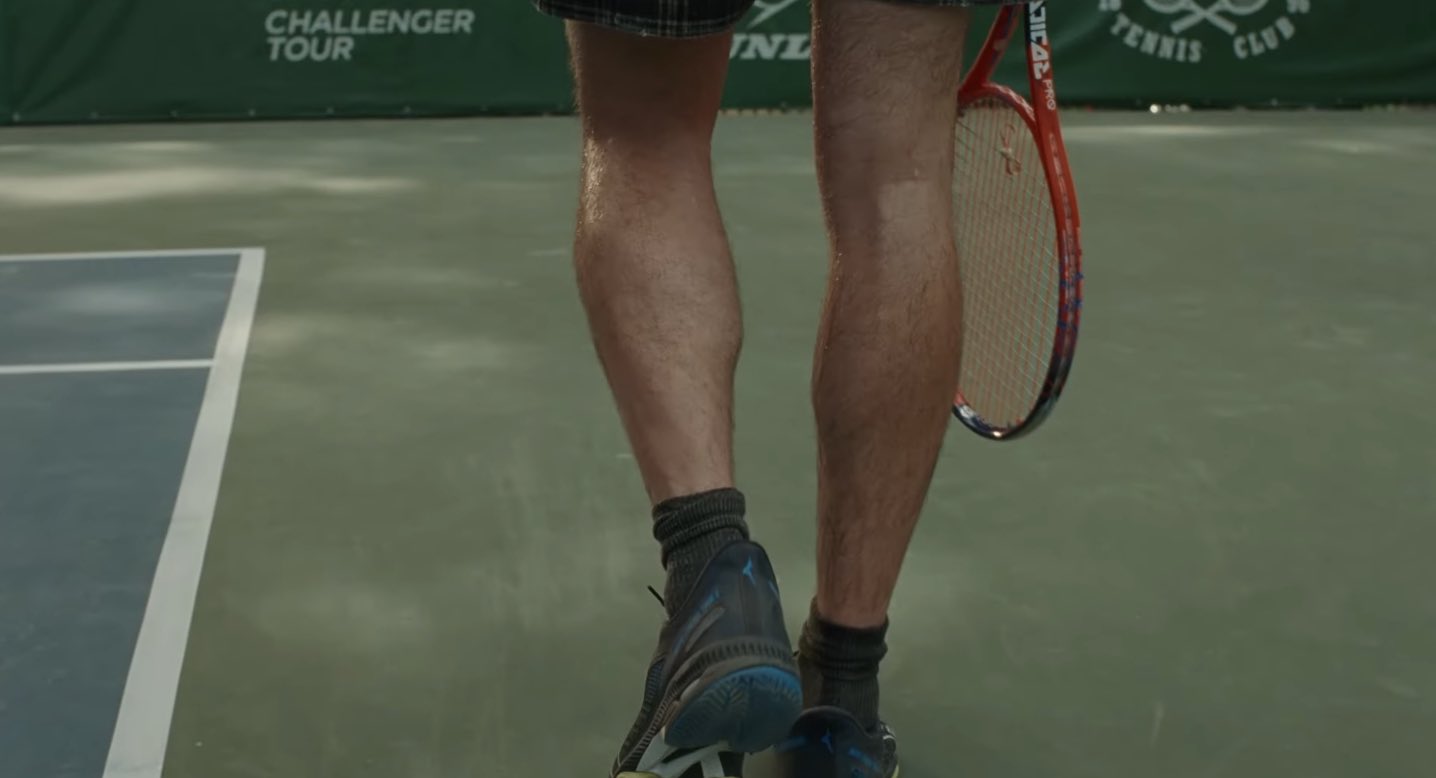
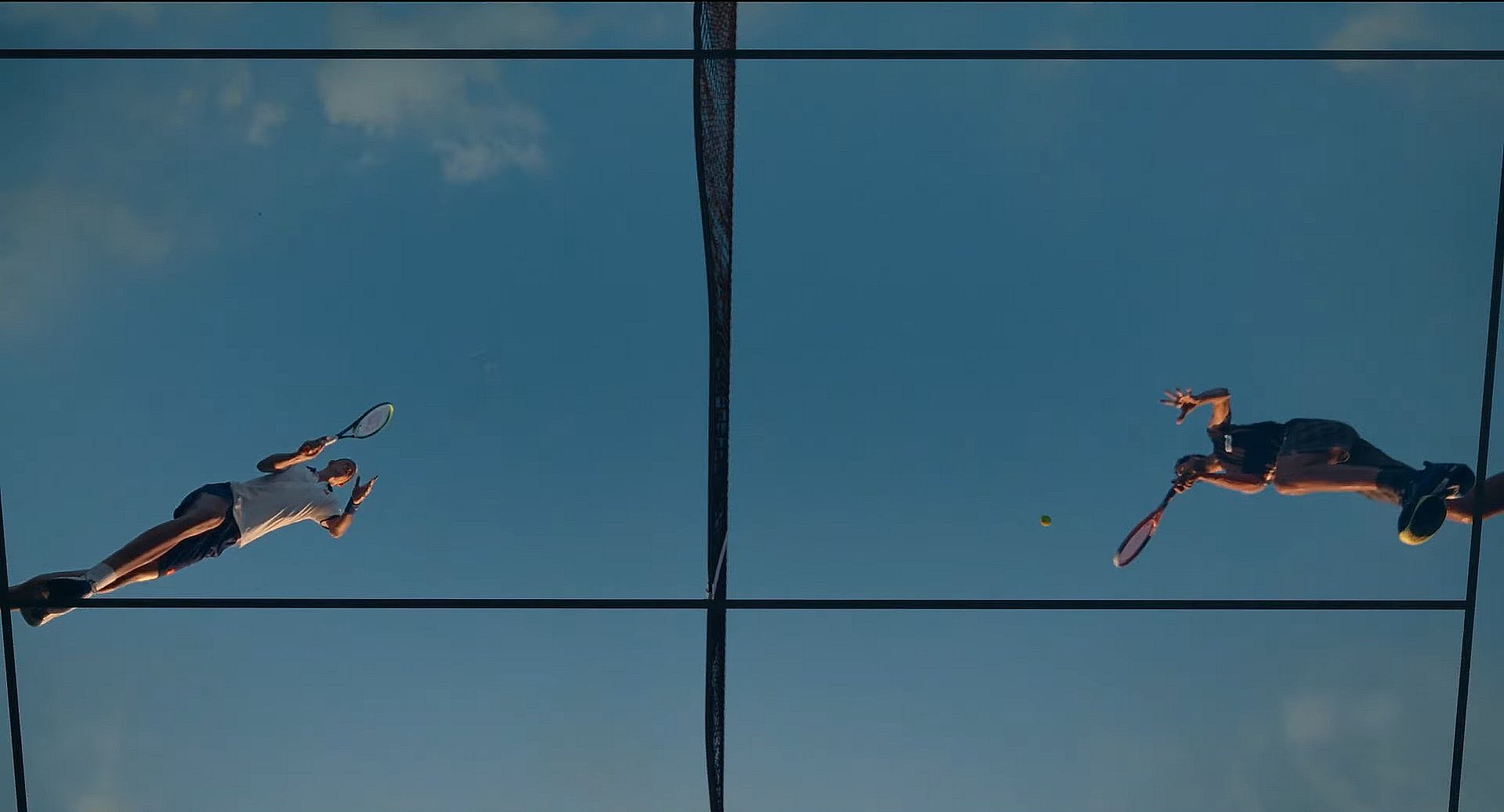
As a gay man, Guadagnino emphasizes this characterization with some of the most homoerotic shots and sounds ever put to film. Tennis is used as a stand in for sex in Challengers. If you were to close your eyes during the final match, there’s no mistaking what Patrick and Art’s percussive grunting while striking the ball really signifies. There’s also a voyeuristic intention to the way Patrick and Art are captured on film. Both men are subjected to the leering eye of the camera, segmented into body parts to be ogled at and admired. The sweat dripping from their thighs and the soft bounce of their calves against the tennis court, it all works to identify them as the objects of Tashi’s desire. Men are so rarely objectified in this way, that it ends up feeling incredibly subversive.
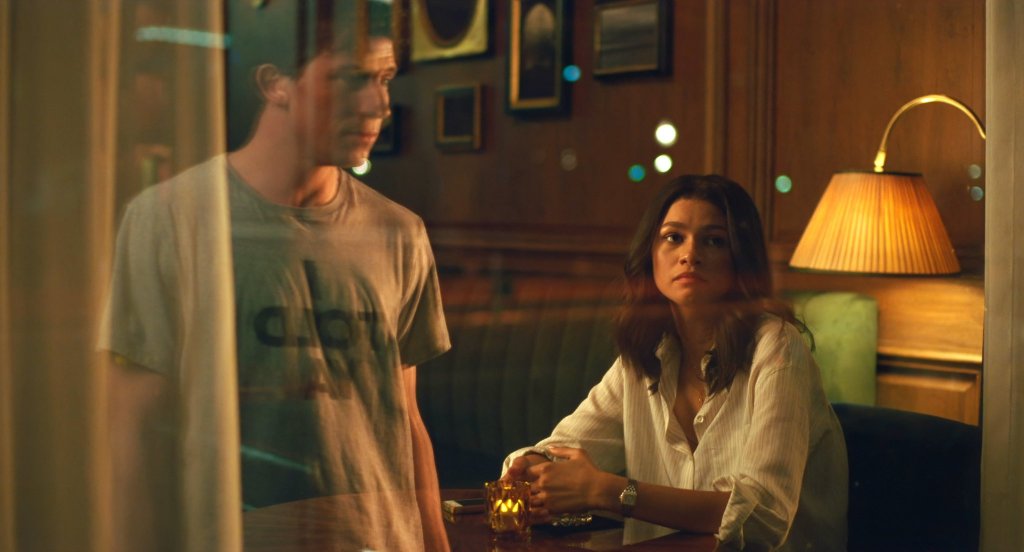
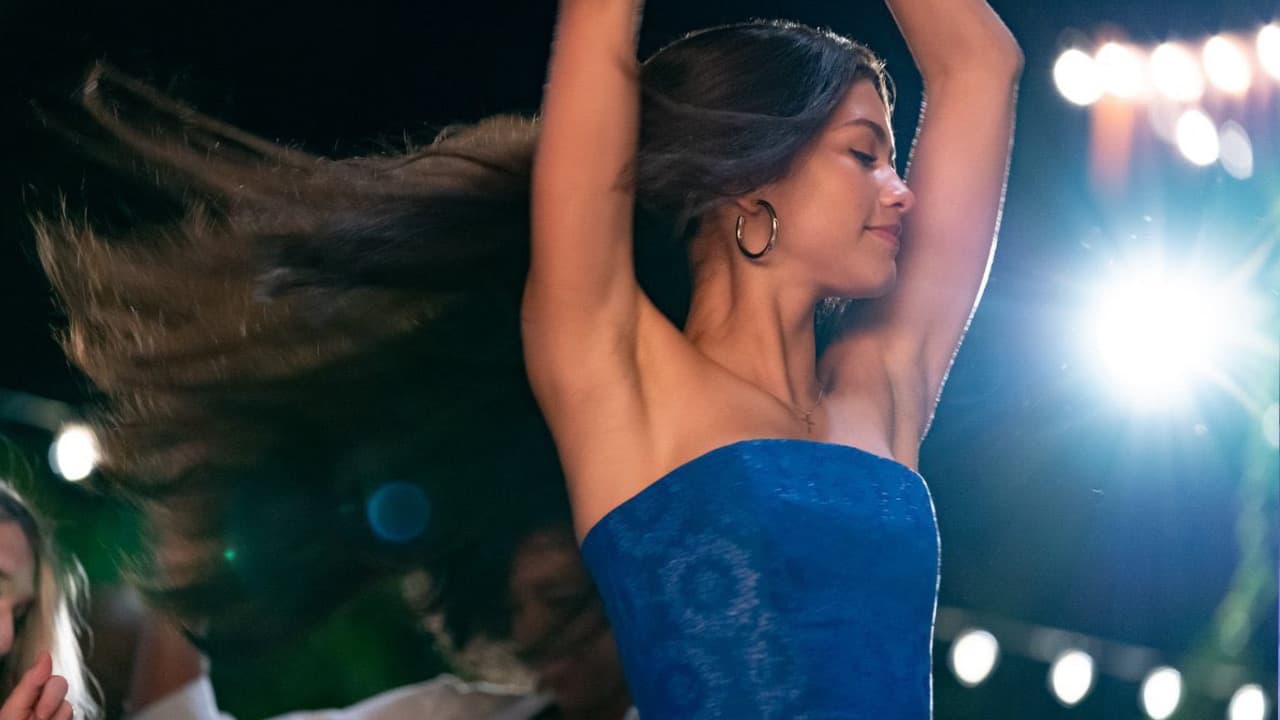
Zendaya is the undeniable star of this movie. She’s had a successful transition from children’s television to a career in film that so few of her peers have been able to pull off. That being said, her talent’s have not been fully utilized until Challengers. Partially it’s because she’s a producer and clearly passionate about the story, but also it finally feels like she has stepped into her status as a movie star. Tashi is a complicated female character who’s not easily pinned down to one trait, aside from maybe her single minded drive to live and breathe tennis. The character is cold, maybe heartless even, but has such a deep well of vulnerability that makes her hard to root against. Even when she’s been downright ruthless to Patrick or Art, Zendaya delivers these cutting remarks with laugh out loud facial expressions like she is the only one in the world with any sense. Tashi’s withholding nature, gives Zendaya so much to work with and allows her to slowly reveal her true motivations throughout the course of the film. Zendaya has a long career ahead of her, both in front of and behind the camera if she wants it.
Trent Reznor and Atticus Ross’s EDM score is the pulsating life force of Challengers. Its booming techno beats feel like the character’s are gearing up for war as they take the court. It’s energizing and thrilling, I simply cannot imagine what this movie would be without it. Immediately, the audience is conditioned to associate these musical themes with a tennis match at the top of the film. Then as tensions rise between the leads, the score kicks back in revealing their whole relationship is one extended tennis match. Arguments cut back and forth, lobbing insults at one another as the bassline reverberates underneath. “Cool” is such an unsatisfying word, but man this soundtrack has a cool and sexy factor to it that perfectly aligns with this film’s stylistic sensibilities.
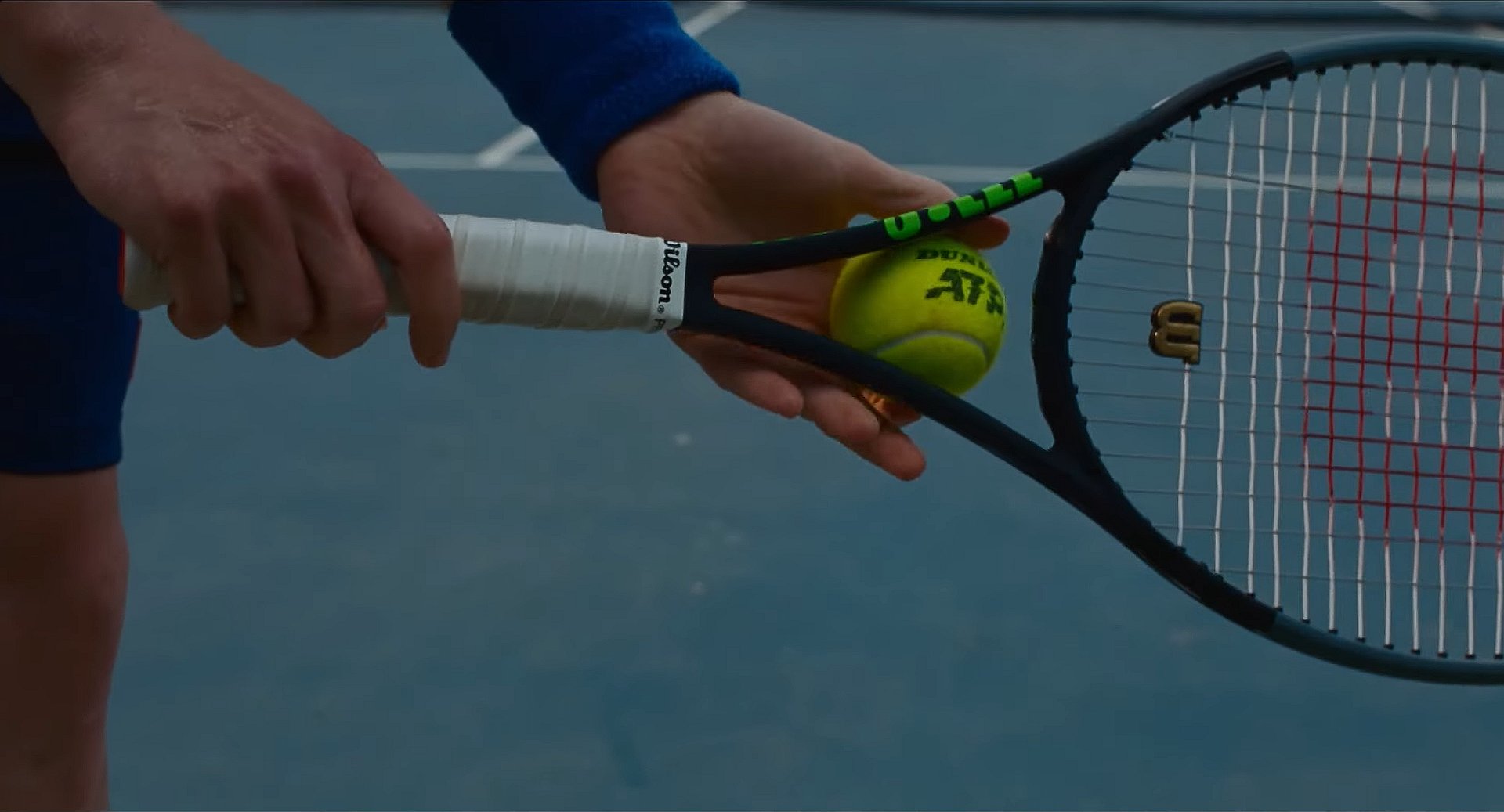
Sport stars have sponsors… a lot of them. Equipment, uniforms, and tournament prize money does not come cheap. Similarly, Challengers has a staggering amount of product placement in it. It is extremely distracting and cheapens the film at some level. It is forgivable when it comes to Tashi’s Adidas campaign or Art’s line of Wilson tennis rackets, but just about every bank and soft drink is represented here as well. Two scenes stick out in my memory which cast a stain on the film. One occurs early on when a homeless and hungry Patrick stumbles into the match and is greeted by the women at the sign in desk. She excitedly talks about the competition while Patrick stares longingly at her perfectly placed and framed Dunkin Donuts breakfast. She offers him half of her bagel as the camera lingers on the Dunkin logo. The film grinds to a halt just to have an ad for Dunkin Donuts for no discernible reason.
Later when Tashi and Art reconnect they do so over a meal at Applebee’s. Their first real kiss occurs in the parking lot with a giant billboard for the restaurant hovering above. While the Dunkin scene was eye roll inducing, this one was more egregious to me as it detracted from an emotional and pivotal moment in the character’s relationship. I’m just completely dumbfounded by how pervasive the advertisements are in this film. At a relatively modest budget of $55 million and produced by Amazon Studios, I was left feeling like, did they really need the money?
Challengers stands tall amongst a lackluster year of 2024 films. With its original September premiere date and Guadagnino at the helm, I’m wondering how much of an awards contender the studio was prepared for this to be. Right now, it is far too soon to say how it will stack up against this year’s upcoming releases. What I can say is that this film succeeds because of its fully realized vision which is the result of talented artists collaborating in sync at every level. Zendaya’s star power, Guadagnino’s directorial flair, and Kuritzkes’s sexy script easily makes this my favorite movie of the year so far.
 Reel Take
Leave a comment