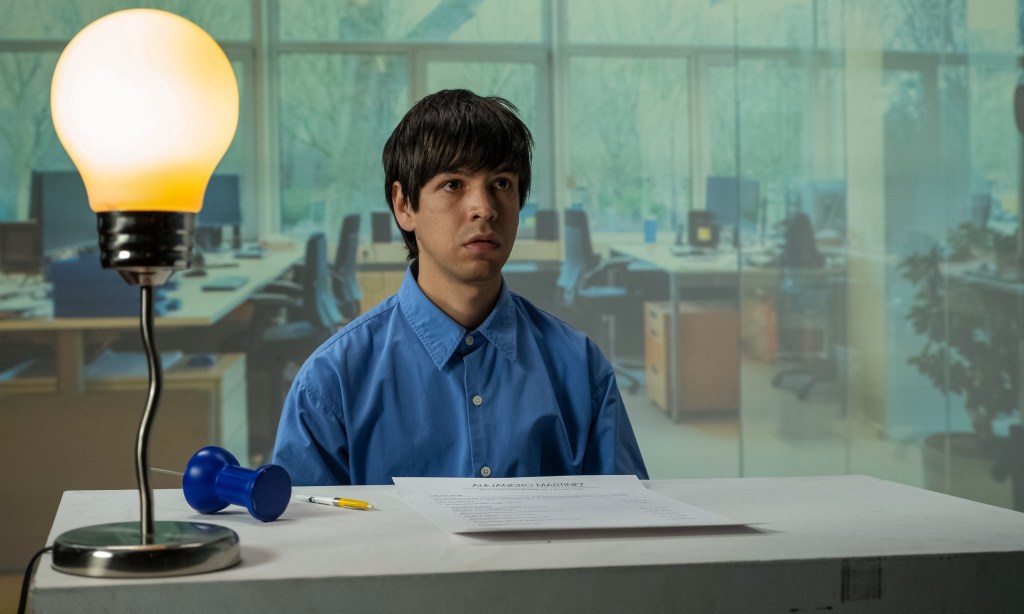
Problemista is a zany coming of age story wrapped up in a scathing surrealist satire of the American Dream. The film is written and directed by Julio Torres who previously worked as a sketch comedy writer, writing for Saturday Night Live from 2016 to 2019. It was produced in collaboration with A24 and Emma Stone’s production company, Fruit Tree. Torres also stars in Problemista as Alejandro, an aspiring toy maker from El Salvador who struggles to navigate the treacherous American immigration system. When Alejandro suddenly loses his day job, he meets Elizabeth, an erratic art critic, and the two form an unlikely team. Elizabeth is happy to sign off on his work visa, but on the condition that he assists in organizing an art show for her late husband. Alejandro is eager to do whatever it takes to stay in America, but gets more than he bargained for as Elizabeth’s demands become more frequent and less reasonable.
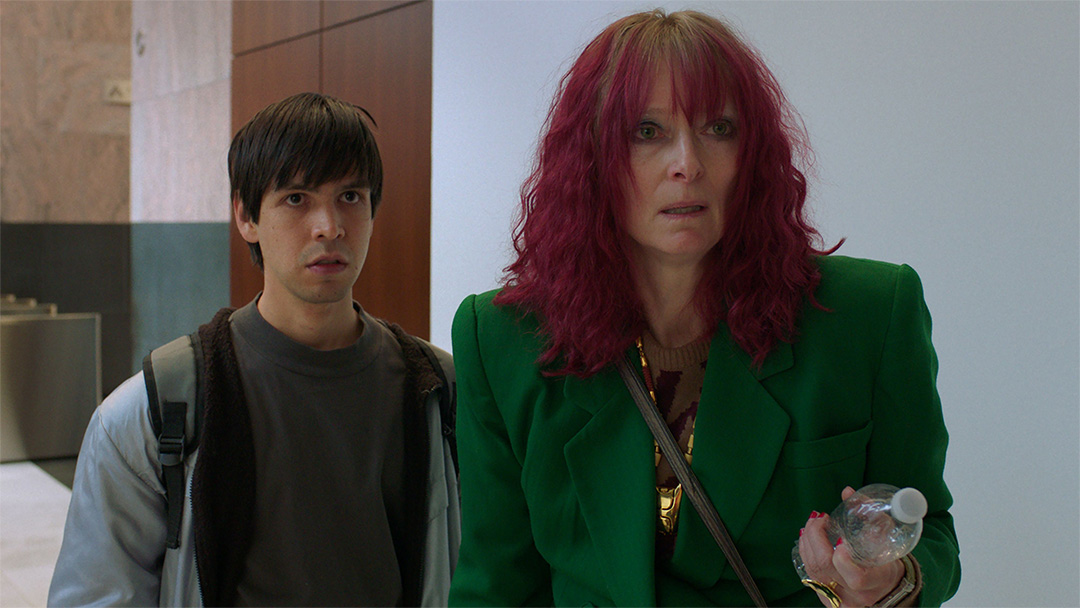
Torres gives a charming and warm performance as Alejandro, a kind and hardworking young man, who’s incredibly easy to root for. When we meet him, he’s applying for his dream job as a toy designer for Hasbro and lamenting the lack of prospective job offers. His designs are irreverent like a truck with a flat tire to teach kids about the futility of fun or a Cabbage Patch Kid with a smartphone that allows them to stalk ex-friends and pass judgment on strangers. At first, it is easy to assume his lack of job prospects is due to these toy ideas not totally appealing to children. However, later he discovers that Hasbro has adopted his smartphone idea for their latest TikTok marketing campaign. This gets to one of the central sources of conflict in this film, Elizabeth’s husband and his paintings of eggs.

When we are introduced to Bobby, he has already been cryogenically frozen and stored alongside his collection of paintings in the facility Alejandro works at. The office is a cold, corporate environment whose business model relies on exploiting loved ones by their keeping corpses on ice without any guarantee they will be revived in the future. The company holds them indefinitely, charging monthly rates for the living family member, in this case Elizabeth. As a black man, Bobby struggled to break into New York City’s art scene. While alive, he was an artist who specialized in paintings of eggs set to various colored satin backdrops, which were widely ridiculed by the art world. In his defense, Elizabeth wrote a positive review for one of Bobby’s shows, but that only further harmed his reputation by making it look like he slept with her for a good review. That, combined with the news of a terminal illness, inspired Bobby to take a leap of faith with the cryogenic facility.
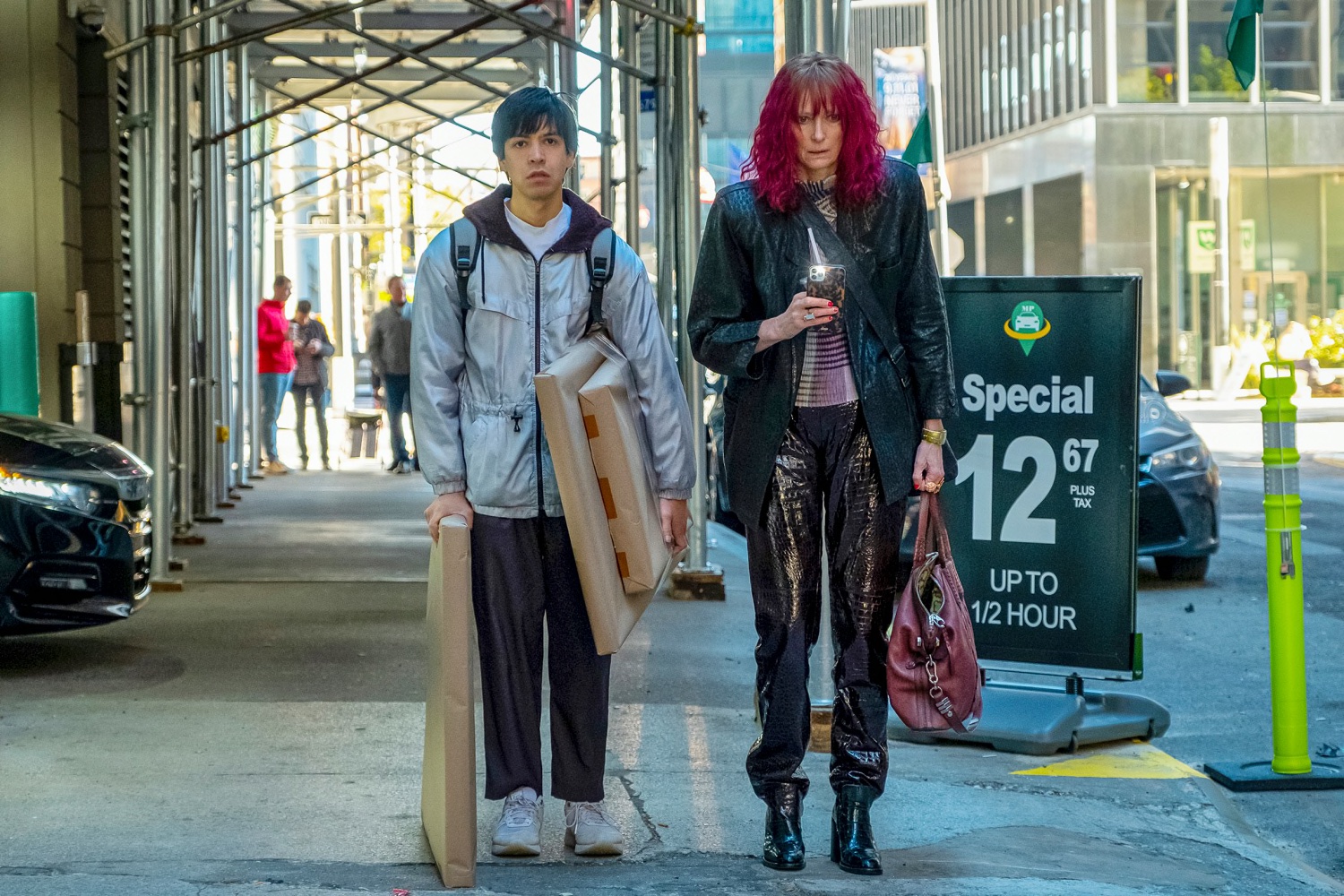
Torres asks the audience to make a judgment call on the egg paintings as well. Are they a bit silly in their subject matter? Sure, but there is nothing specifically or technically wrong with them. When placed alongside Alejandro’s designs getting overlooked or co-opted, it becomes clear that Torres is speaking to how critics and consumers are instinctively more accepting of art made by white creators. That the same art, made with a different set of hands, can increase in value simply because of the identity of the artist. The lack of trust in and respect for “outsider art” seriously limits the kinds of creators represented by these industries. This is furthered by the supporting cast of characters.

Dalia, played by Greta Lee, is Bobby’s former fling who is in possession of one of the egg paintings Alejandro needs for the show. Dalia is hesitant to comply without an apology from Elizabeth, who sought revenge against her for sleeping with Bobby. Elizabeth wrote a cutting review of Dalia’s art in the Columbia young artist exhibition, despite never seeing her work, in an act of retribution. This has had an outsized impact on Dalia’s career as an artist, who is now running a daycare out of her home to make ends meet. This is critical of how damaging one negative review can be on the career prospects of a young artist, even more so if that artist is a person of color. Especially if that review is not at all based on a work’s artistic merits, but rather a petty grievance that the writer may have.

By contrast, Bingham, played by James Scully is a privileged nepo-baby who gets nearly everything he wants in life and is less affected by Elizabeth’s cruelty as a result. He’s condescending and flippant when speaking to Alejandro about her idiosyncrasies, because Bingham does not need the assistant job like he does. He can afford to not care or risk Elizabeth overhearing him, unlike Alejandro who’s very place in this country depends on placating her. Bingham, like Alejandro, is a gay man and their relationships to their queer identities are directly contrasted. Bingham leaves work early for an afternoon date while Alejandro meets with a man on Craigslist in the middle of the night, looking to satisfy his peculiar fetish, for some cash. The resentment Alejandro feels towards Bingham is beyond simple jealousy. It comes from the frustration of lumping all LGBT people into one monolithic category, despite the wide spectrum of people who identify under this umbrella. Bingham is the handsome, white cosmopolitan gay guy that the media seems most willing to represent. Torres pushes back on pigeonholing what a gay lead looks and acts like, especially in a film that isn’t solely “about being gay”, all of which can be limiting to queer creatives.

The star of Problemista is by far Tilda Swinton and the brilliant character study that is Elizabeth. If there is one reason to see this film it is because of the shrill and eccentric “Karen” type she plays here. Swinton is a master at characterization and in less capable hands, this role would be a one note joke with no levels to her fiery energy. Elizabeth is a bit absurd in her concerns, like her obsession with organizing the file database software that her previous assistant convinced her she needed and haunts her to this day. She is the kind of person that does not take a simple no for an answer and can find a way to be offended by even the most polite of waiters. Elizabeth channels her rage at the world into an unstoppable energy that bulldozes over anyone she has a conversation with, demanding she gets what is her’s. Despite how difficult Elizabeth would be to deal with if she were a real person, she is portrayed rather lovingly here. In part because we meet her as a widow, struggling to sustain her dead husband’s lifestyle, and seemingly out of work. She also takes a chance on Alejandro when no one else does, giving both the character and the audience plenty of reason to take on her dramatics. In her final scene, Elizabeth encourages Alejandro to go after what he wants and never relent. Inspired by her fearless and assertive nature, Alejandro learns to stick up for himself and fight for his seat at the table. Something he learned from Elizabeth that he will forever be grateful for.
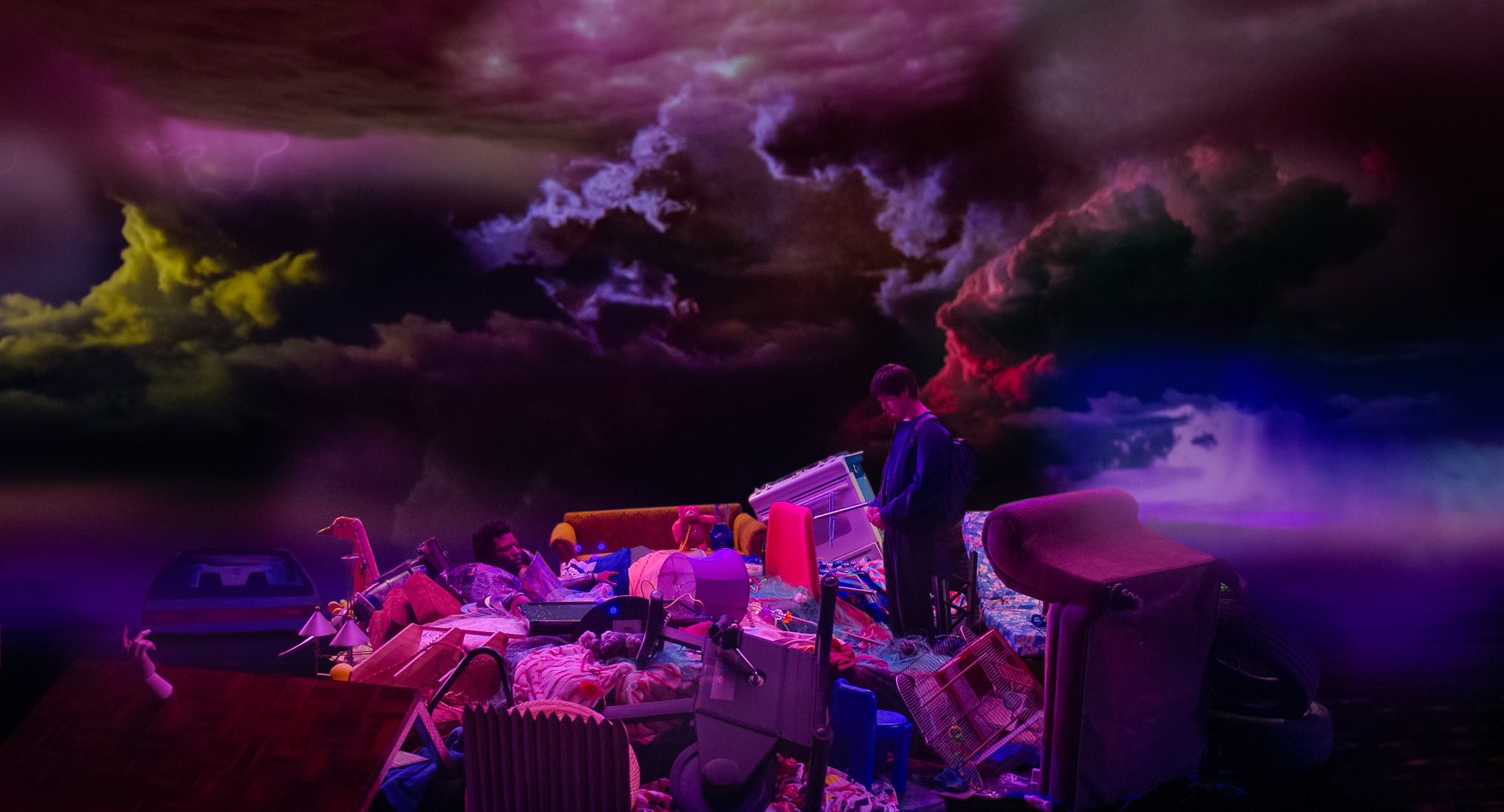
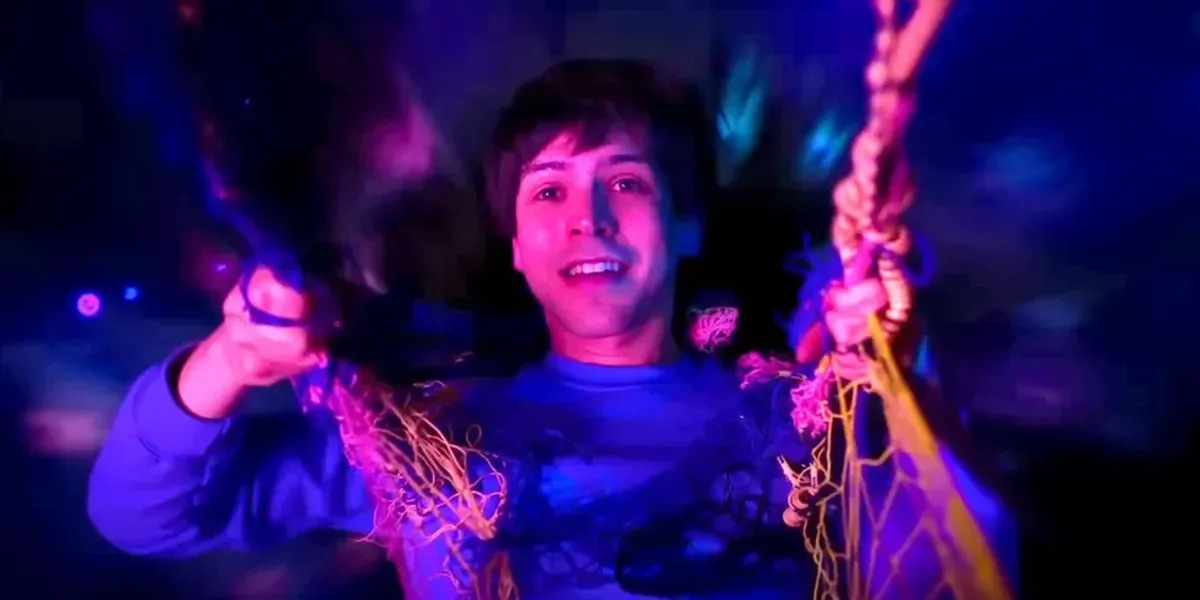
This surrealist comedy dabbles in the absurd not only in its over-the-top characters and the ridiculous situations they find themselves in, but also its highly expressive choices in cinematography. Alejandro’s interior world is vibrant and fantastical in contrast with the series of bland, fluorescent lit office spaces that dominate the rest of the film. There’s a Craigslist entity that whispers potential job prospects in his ear, there’s a cavern where a hydra version of Elizabeth lurks and must be slain with polite de-escalation, and perhaps most powerful, a bureaucratic labyrinth of locked doors that Alejandro must navigate on his path to citizenship. All of these are visually engaging and break up the monotony of the film that can feel a bit like tonal whiplash at times.
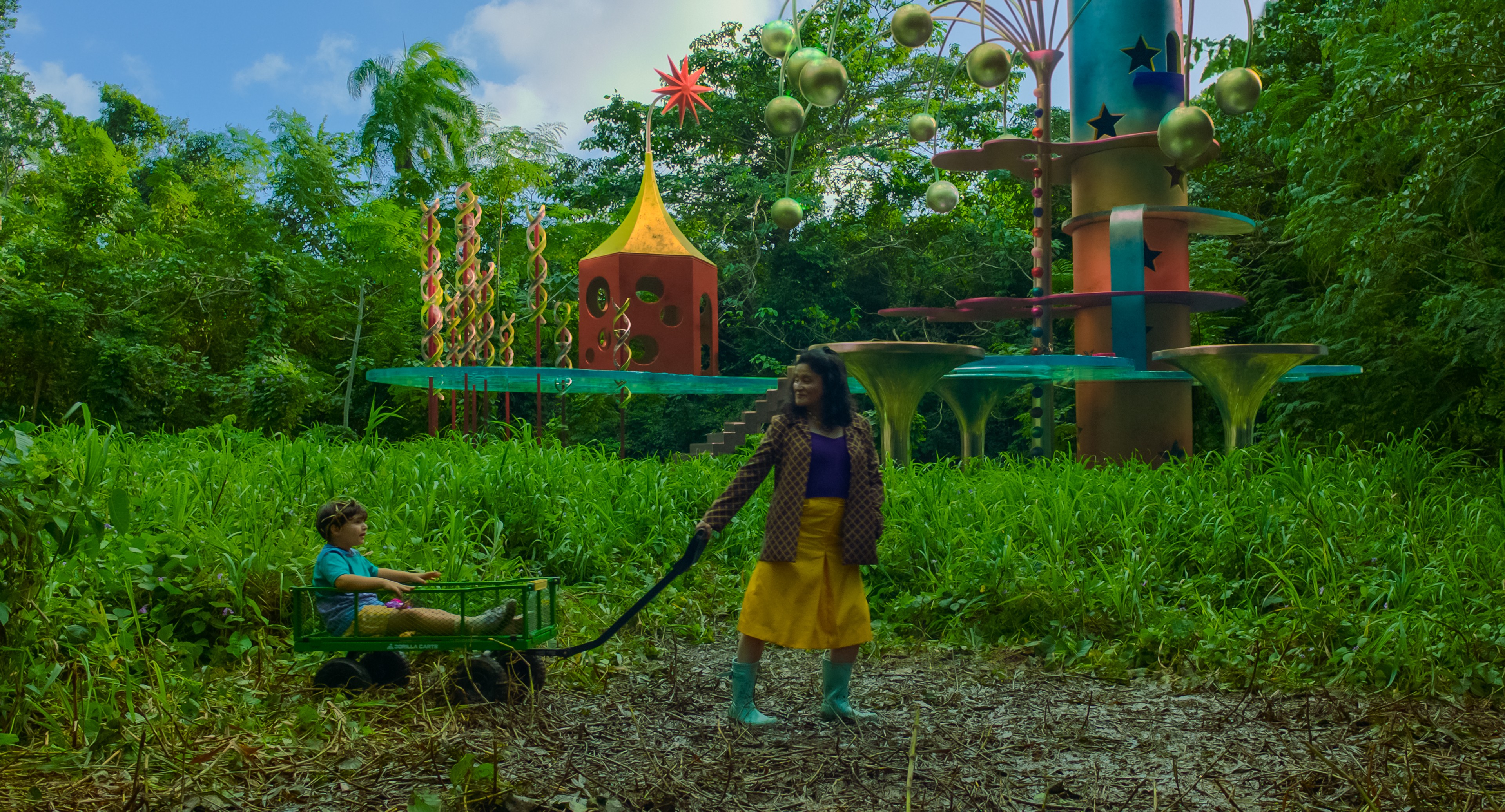
Problemista is an ambitious film with a lot of ground to cover in its short 104 minute runtime. It bounces from one introspective subject to absurd scenario with ease, but is a bit distracting on an emotional level. For a film that celebrates the lives of two artists and their struggle to achieve their creative dreams in America, it is a bit sarcastic in its tone to the actual art they are making. Sure Bobby could’ve been the type to not be fully appreciated in life and Alejandro’s smartphone idea takes off at Hasbro, but the paintings are pseudo-intellectual portraits of eggs and the toys are not particularly fun to play with. It is understandable to take the potshots at critics, institutions, and privilege but ridiculing the art making process itself seems counterintuitive to Torres’s filmmaking, another creative industry full of artificial barriers. If all creative ambitions are futile and absurdly meaningless efforts, why bother making a movie at all? After a surrealist romp through the mind of a young artist, Problemista ends on shaky ground, unable to make a clear statement on the creative process. This is disappointing because Torres otherwise accomplishes an insightful mockery of the American Dream and the hurdles immigrants must navigate to succeed.



 Reel Take
Leave a comment