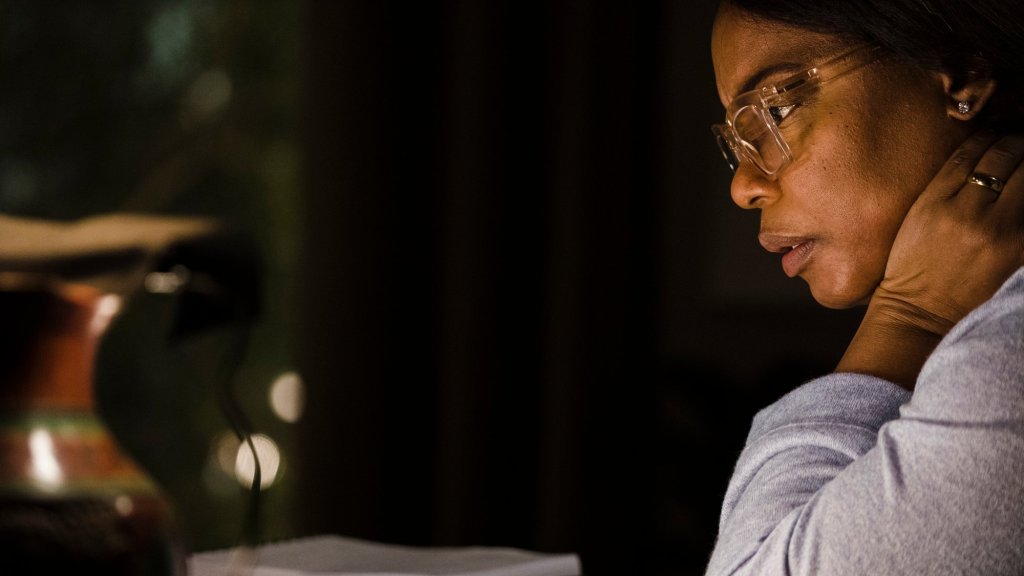
Origin is a sweeping and ambitious investigation into how systems of oppression throughout history communicate with and reinforce one another. Ava DuVernay is best known for directing critically acclaimed documentary 13th and Best Picture nominee, Selma. Origin is an adaptation of the 2020 book, Caste: The Origins of Our Discontents by journalist Isabel Wilkerson. The film follows Isabel traveling around the world, researching for her book. While the movie captures the ideas behind Caste, the narrative is primarily focused on Isabel’s personal life and journey in making sense of these complicated topics.
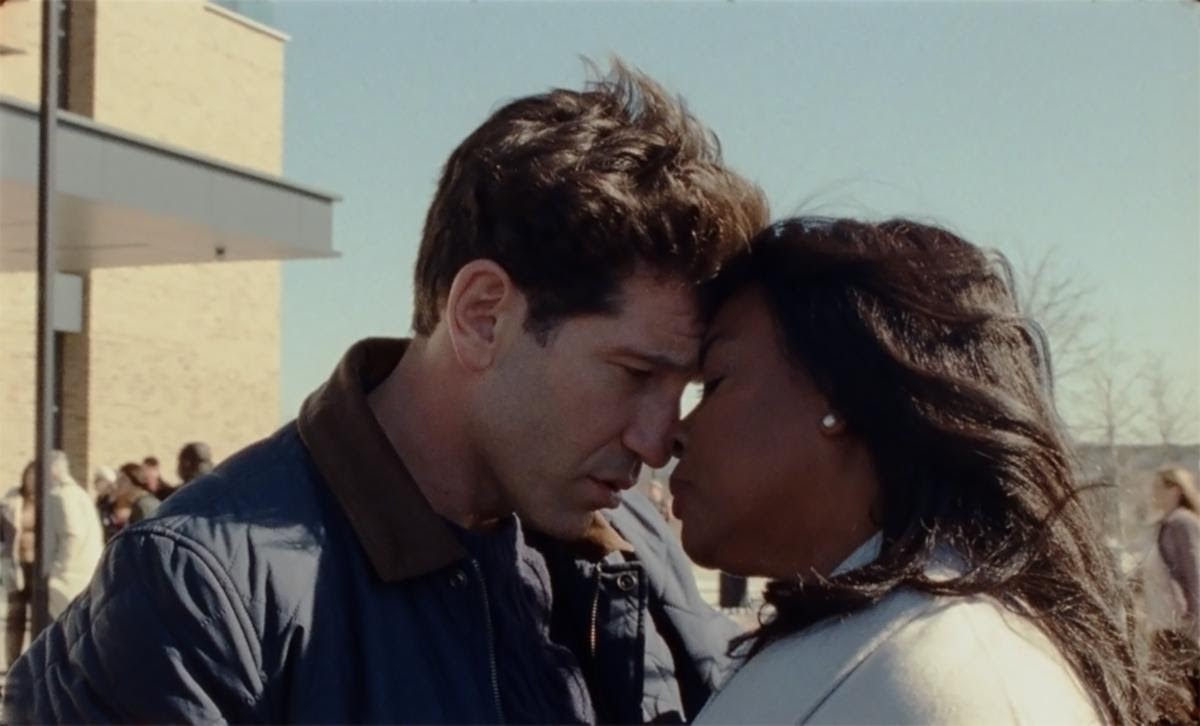
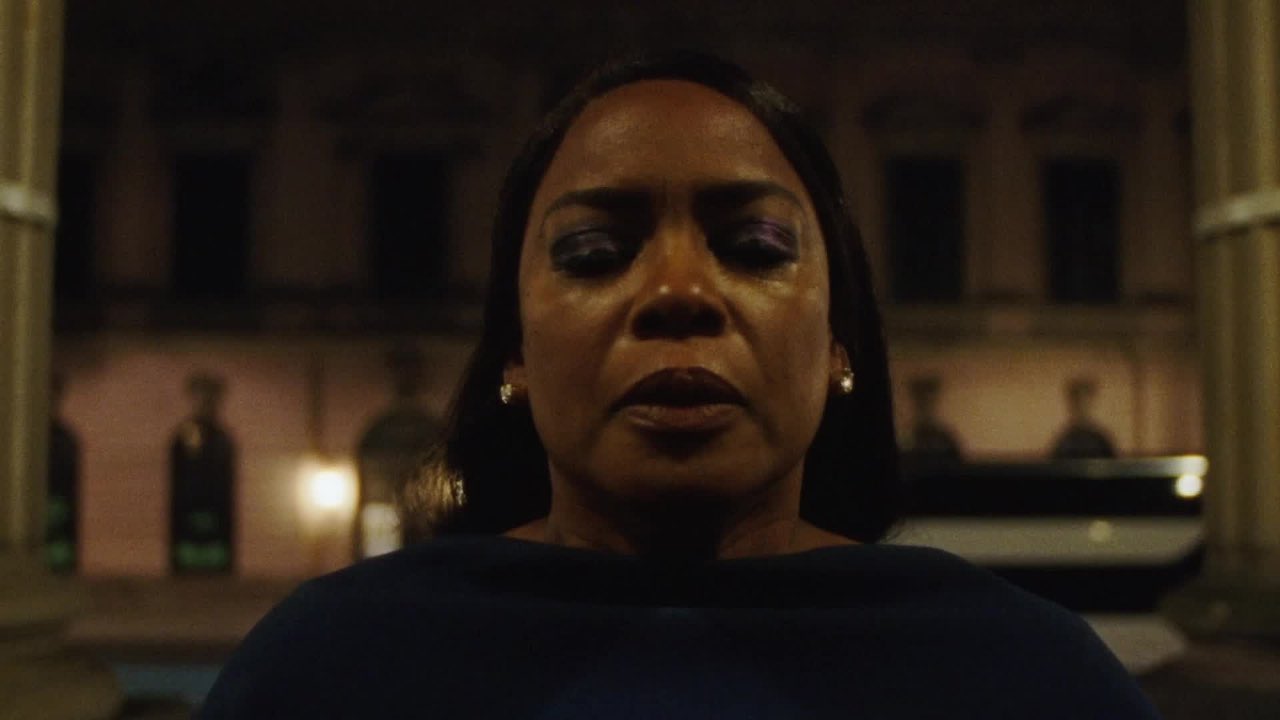
Aunjanue Ellis-Taylor stars in Origin as Isabel Wilkerson, a Pulitzer Prize winning journalist who experiences a series of setbacks and losses. We meet Isabel at the peak of her power: she has a successful career, doting husband, and multiple publishers circling her for the next big hit. However her mother is slowly declining in health, prompting Isabel to take a break from her career to care for her. She decides to move her mother into assisted living, but not without guilt. Her husband, Brett argues with Isabel that her parents would want her to succeed and that she shouldn’t take a break when she has so much momentum. That night, Brett suddenly dies completely upending Isabel’s whole world. Not even a year passes and her mother dies too, an incomprehensive loss. All of this occurs early in the film and works well to invoke empathy for Isabel and get invested in her personal growth. This is a necessity for an adaptation of a non-fiction book and grounds the narrative in an accessible reality. Ellis-Taylor deserves her flowers for doing the bulk of this heavy lifting. And man is it heavy. Her personal grief is only outmatched by the bleakest aspects of the last few centuries on full display throughout the rest of the film.
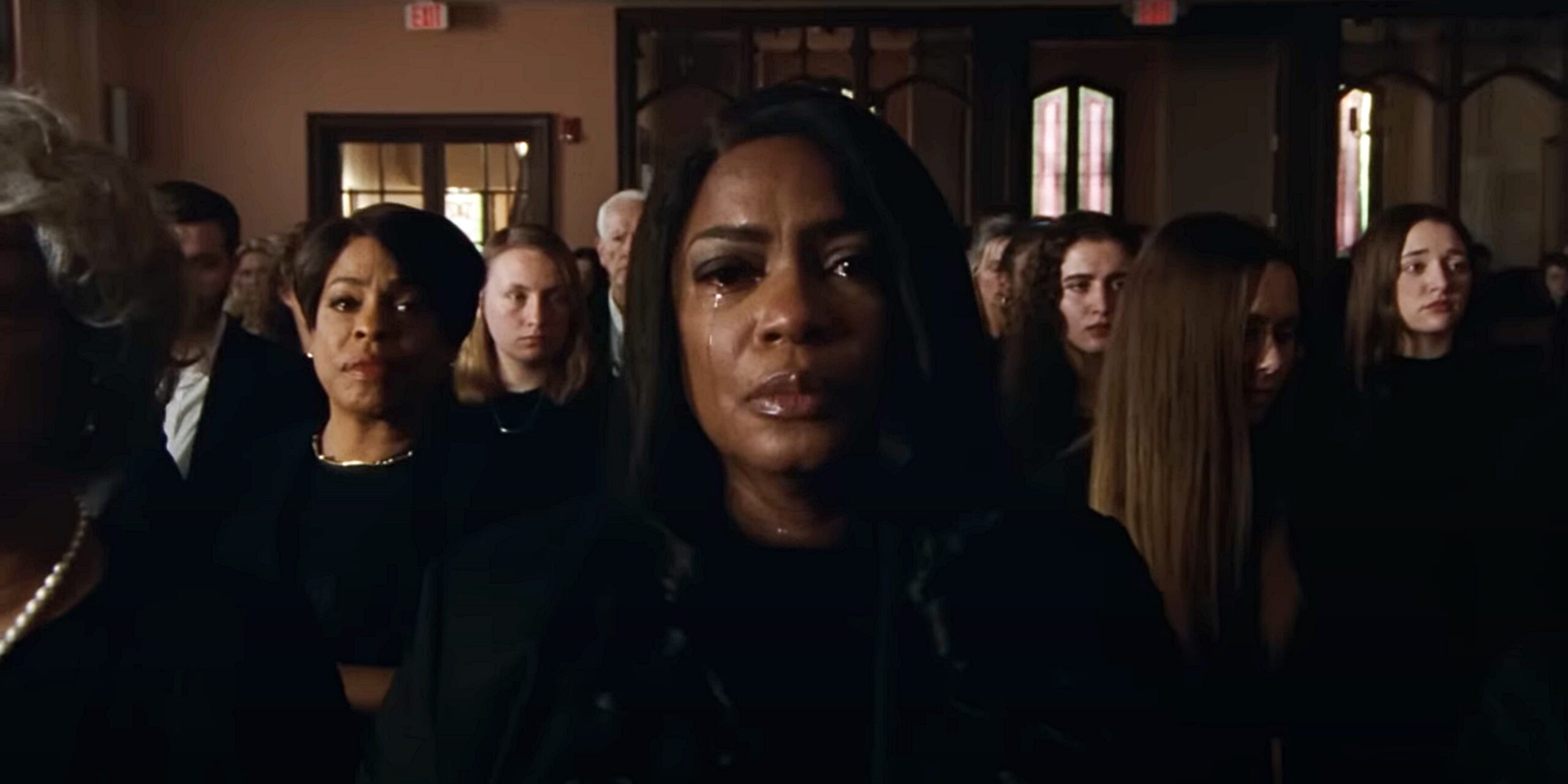
After initially turning down a proposition to write about the killing of Trayvon Martin, Isabel dives back into her work and resumes research. She grapples with understanding how a Hispanic man, George Zimmerman, could take the life of a black teenager on behalf of a white neighborhood. In trying to answer difficult questions about the “origins” of systems of oppression, she forms the basis of her book’s thesis. Isabel sets out to explore the limitations of race as the only filter through which we view these hierarchies. She is a black American, who of course understands how race functions in the United States. But Isabel argues that pinning everything from housing discrimination to acts of genocide on one word, one idea, is not a sufficient way of understanding them. And if we can’t understand them, how can we upend them?

The film’s connective tissue relies on its exploration of three systems of oppression: America’s enslavement of Africans, Nazis Germany’s genocide against Jewish people, and the treatment of Dalits in India’s caste system. As Isabel travels around the world she meets fellow academics who encourage and challenge her thesis. A contentious but memorable scene occurs over a meal with Sabine, a German Jewish woman. Sabine argues that Isabel has a framework laid out but does not have a book just yet. She doesn’t fully see the connection between slavery and the Holocaust, and is perhaps slightly offended by it as well. While she does not mean to downplay the horrors of chattel slavery, she asserts that nothing can be compared to the systematic extermination of Jewish people. It’s a tense moment that perfectly captures how people really understand these uncomfortable issues and the difficulty in making sense of them for fear of being flippant about one struggle over another.

Origin, if anything, wants us to understand that these struggles are one in the same. Later this is made explicit in a scene where Jewish woman being executed in a concentration camp is intercut with the killing of Trayvon Martin. DuVernay does not handle the subject matter lightly and in less capable hands this could easily come off as gratuitous. It’s provocative for sure, not everyone is going to like seeing this, but everyone probably should see it.
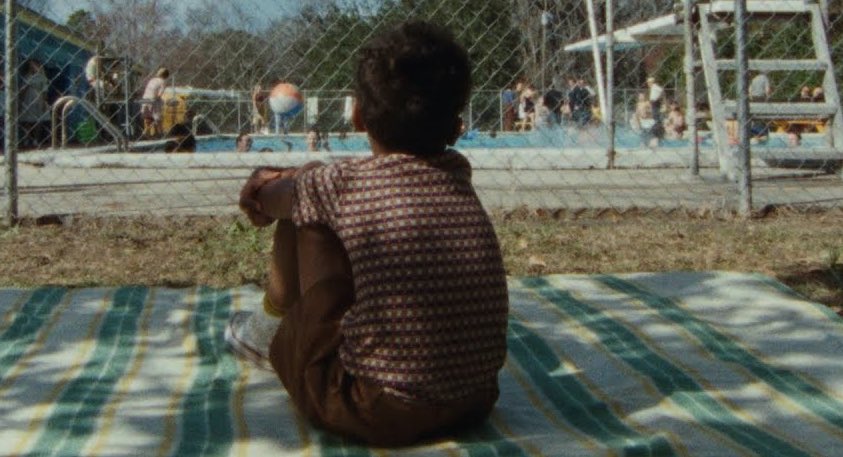
Origin relies on Isabel’s investigation to guide the audience through comprehending these ideas. By having her openly discuss them with other researchers, what could have been a series of drab monologues directed solely at the audience is elevated to a lively and engaging debate, mostly. There’s two competing films within Origin, one that is more documentarian in nature, DuVernay excels here, and one that is trying to be a traditional narrative. They both work on their own, but occasionally fail to gel together in one cohesive narrative. It can be distracting to bounce from Nazis Germany to Jim Crow south to 1900s India and back to modern day America, having to keep track of all of these competing stories.
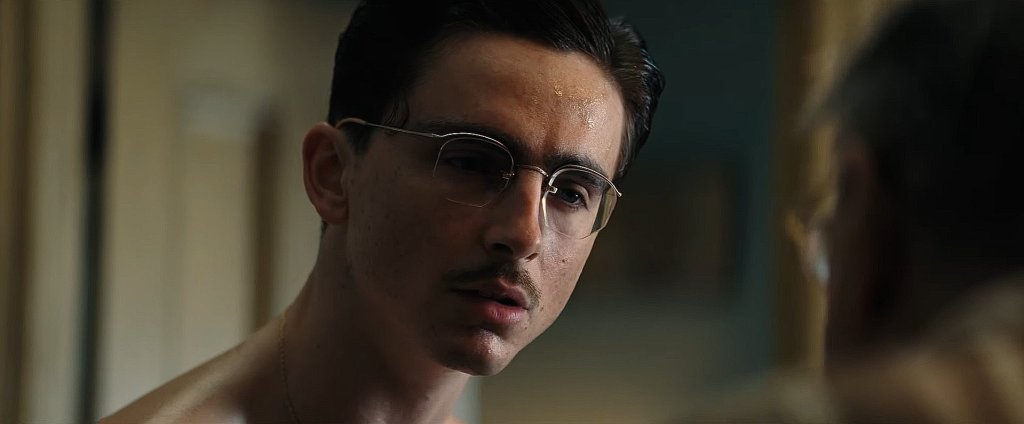
This is unfortunate because the vignettes are where Origin soars as a film. There’s a compelling and devastating story of a German man and Jewish woman fleeing the country as the Nazis rise to power. An enlightening story of Dr. King’s trip to India where he was called an “untouchable” by the Dalits who recognized their similar plights. And the most deserving of its own movie, a story about a black couple researching in Berlin on the eve of the Holocaust. Their investigation into how Germany modeled its system off of America’s treatment of black people directly inspires Isabel to investigate further. These side stories flesh out the narrative and go a long way in preventing Origin from feeling like an essay or a lecture.
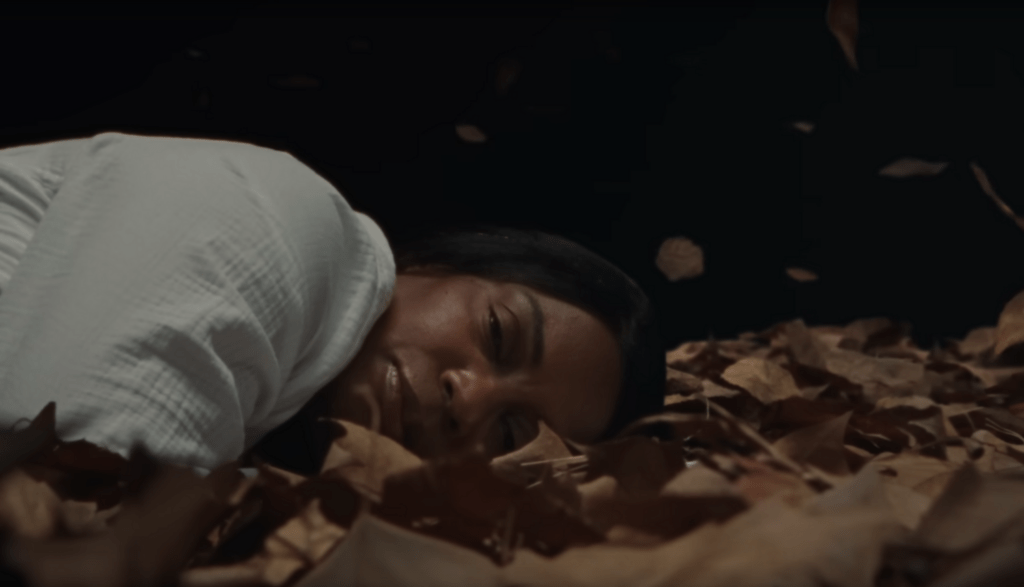
Origin was shot on film and has a dreamlike grainy quality to it, highlighting the cerebral nature of the movie. It is rich with symbolism and provocative imagery that paint a more convincing argument than text alone. Ellis-Taylor delivers a heartbreaking and inspiring performance all while making this dense material feel accessible and personal. DuVernay’s ambitious attempt to adapt Caste has resulted in a touching and thought provoking film that is a bit bloated in its scope. Despite its flaws, Origin is an impressive piece of filmmaking that is a must see for anyone concerned about our collective failure to learn from history.


 Reel Take
Leave a comment