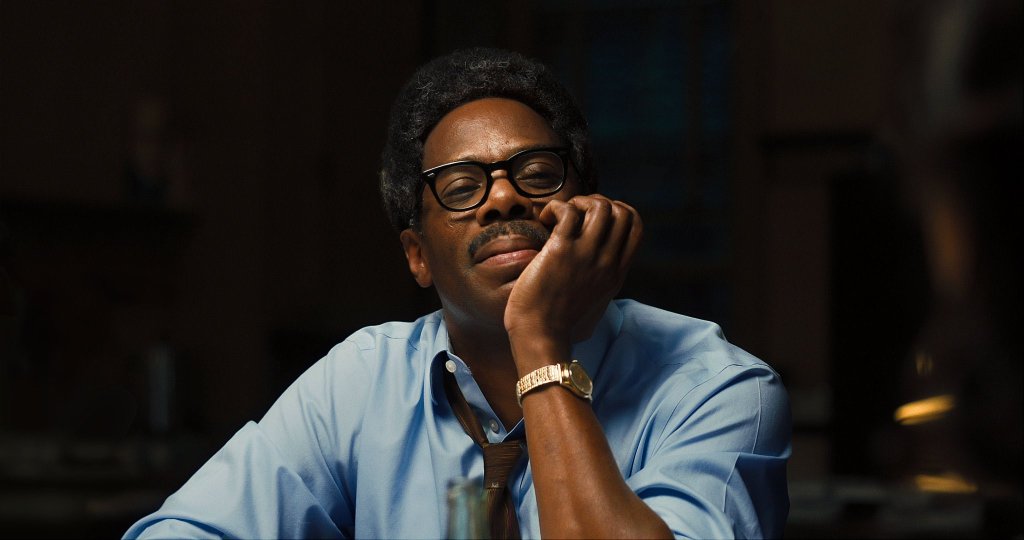
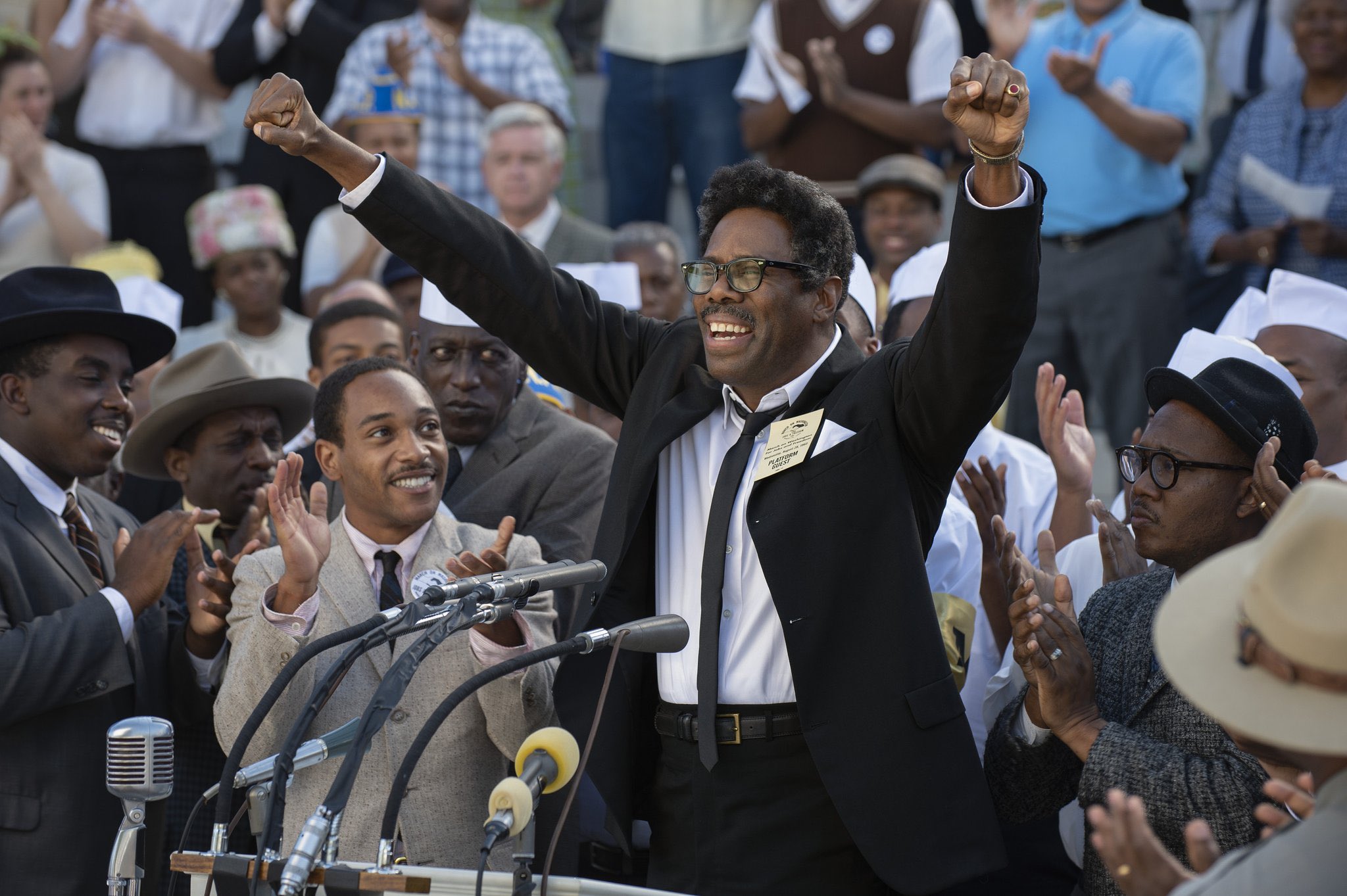
Rustin is a biopic about the unsung organizer of the historic 1963 March on Washington. The film is directed by George C. Wolfe who previously directed 2020’s Ma Rainey’s Black Bottom, which received two Academy Awards for Best Achievement in Costume Design and Hairstyling and Makeup. Viola Davis and Chadwick Boseman both received acting nominations for their roles as well. Colman Domingo stars as the titular Bayard Rustin, an activist who was ostracized by the leading civil rights organizations due to his sexuality. Domingo has received a Best Actor Academy Award nomination for his work in Rustin.

Domingo’s onscreen charisma and commitment holds the entire film together. That’s not to say that the ensemble cast does not deliver excellent performances as well, but it is hard to imagine this film being successful without him in the lead role. In the beginning, we see Bayard formally removed from the NAACP’s organization after Congressman Powell threatens to spread a rumor about a romantic relationship between him and Dr. Martin Luther King. Bayard’s sexuality becomes too much of a liability for leadership that even his good friend and the de facto leader of the movement. Dr. King encourages his resignation. This heartbreaking betrayal betweens friends is a driving motivation for Bayard and serves to highlight the complexity, and dangers, of adhering to respectability politics. Crushed and wayward in life, Bayard struggles to find purpose outside of the civil rights movement. That is until he witnesses the Birmingham campaign on television. Upon seeing the fight alive and well in these young activists, their peaceful confrontation against the violent police force motivates him to continue his role in the movement. This event directly inspires Bayard to organize the largest peaceful protest in American history, demanding that the Civil Rights Act gets passed in Congress.
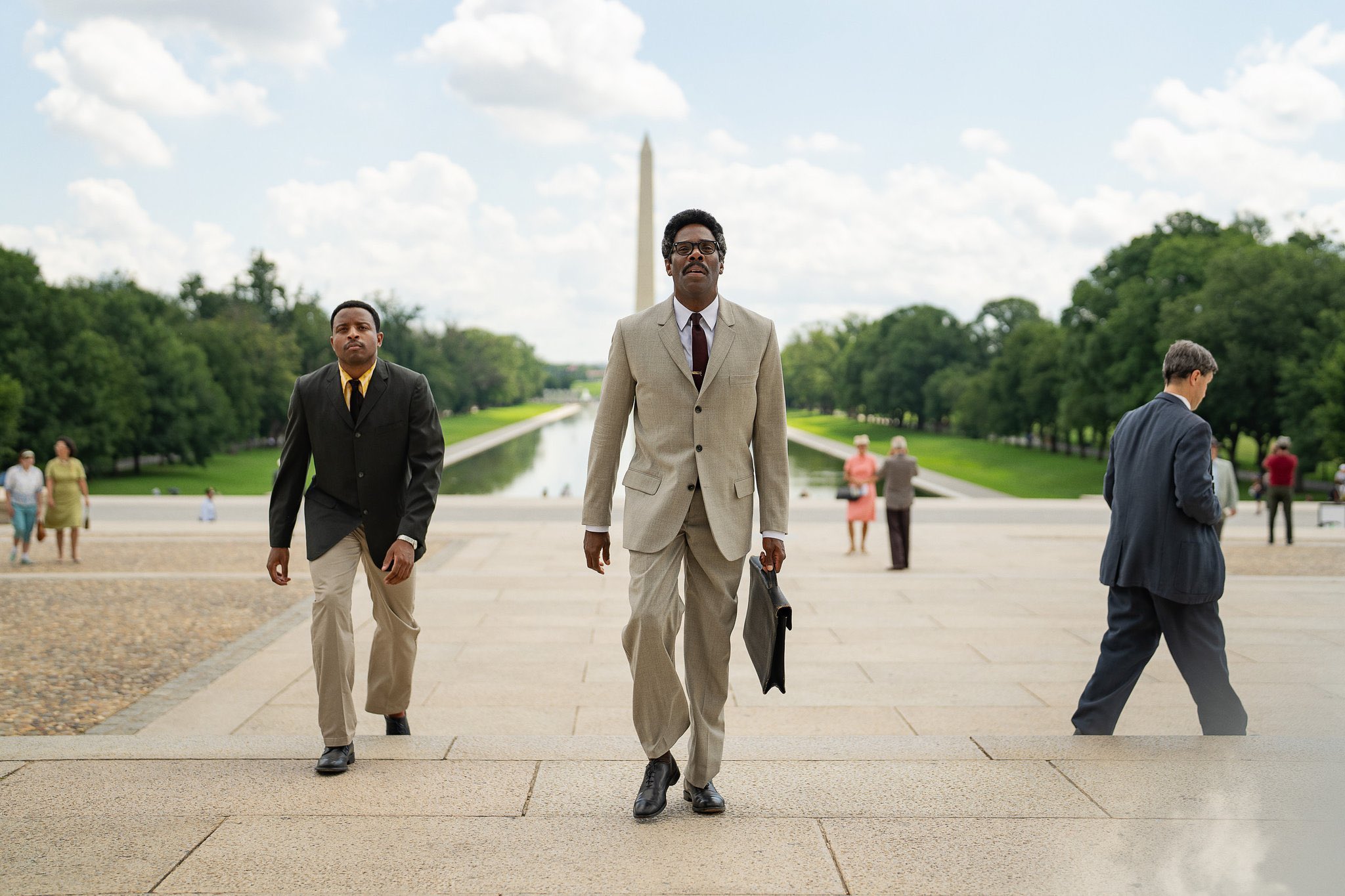
It is incredibly easy to root for Bayard’s success in large part due to Domingo’s charm, but also the opposition he faces. The film does an excellent job at positioning him within the complicated reality of leading a successful political movement. He is consistently framed as the right message from the wrong messenger. While the film is careful not to outright vilify any of the organizations, NAACP executive Roy Wilkins, played by Chris Rock, is the primary antagonist, constantly undermining Bayard’s ambitions. While there’s the sense that Wilkins’ objections are somewhat personal in nature, his caution primarily comes from his desire to see the movement succeed. A noble goal to have and ultimately still places him on the same team as Bayard who shares that desire. Ultimately the two are united by these shared goals and an understanding that civil rights opponents are looking for any opportunity to derail the movement. The relationship from adversaries to allies, underlines Rustin’s central message that freedom and justice for all, needs to include us all. That kowtowing to the criticism of the oppressor is a futile effort that leaves our most vulnerable behind.

The film’s dialogue occasionally teeters into history lesson territory, an unfortunate byproduct of the historical drama genre. At times, it feels like the characters are speaking directly to the audience, rather than a naturally occurring conversation between activists. This is used primarily to deliver contextual pieces of history, necessary for understanding the story so it is mostly forgivable, but it does take you out of the narrative any time it happens. This is a shame because the rest of the script contains devastating scenes between Bayard and his closeted lover Elias that elevates Rustin beyond a simple retelling of events.

These deeply personal scenes highlight the challenges of being gay during the 1960s and how that intersects with their race. One particularly chilling scene occurs when Bayard is running late for a date with Elias and arrives as the police are raiding the gay bar. Elias, who has a wife and a congregation, panics over the near miss, noting the journalists photographing the bar patrons as they leave. The threat of public humiliation and legal trouble looms over their relationship, preventing them from fully being in love with one another. One of the stipulations for Bayard’s continued work on the march is that he must stay out of “trouble”, meaning that any indecent infraction could upset the movement and prompt an immediate dismal. Like many gay men of his time, Bayard is forced to choose between a fulfilling personal or professional life. Ultimately his passion for fighting for civil rights comes with the sacrifice of forgoing personal happiness.
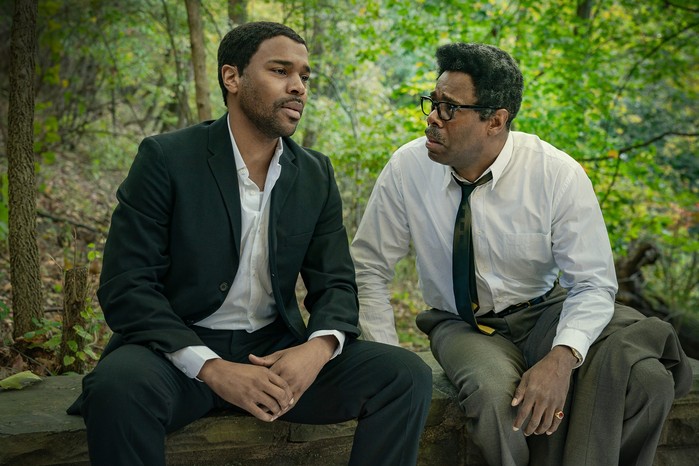
Rustin was produced by Higher Ground Media, a company founded by Barack and Michelle Obama to promote and uplift diverse stories across film, television, and radio. It is worth mentioning because although the Obamas did not have a direct hand in creating this film, their influence is still evident on screen. I hesitate to use the word propaganda because of its negative connotations, but how else would you describe a film about American history that was funded by a living former President? Despite this, I was genuinely surprised with how critical Rustin is of Hoover’s FBI and JFK’s administration in their efforts to stall the March on Washington. Rustin does not merely place the blame on racist Southern politicians and by including these larger federal government forces, it is an indictment of peace and order over freedom and justice.
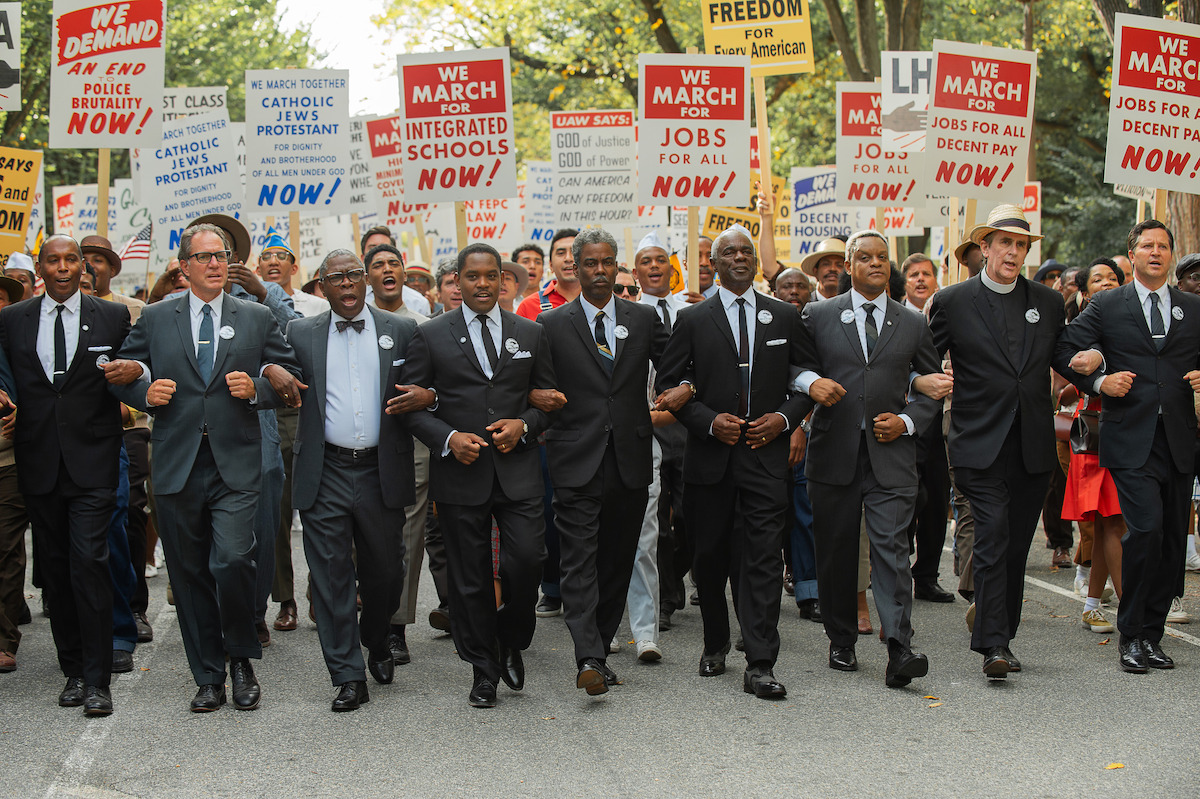
However, the film stops just short of including Malcolm X, the Black Panther Party, and other communist leaning activists in this righteous fight for justice. The film’s overall criticism of placing activists into acceptable versus unacceptable binaries is muddled by its reverence for civil disobedience over direct action. That being said, the film still works well as a celebration of the decades of activist work that lead to the March on Washington. So much of the media about this particular moment in history centers around Dr. King and his famous speech, and rightfully so. Rustin tells the less glamorized aspect of this story: the countless hours of organizing, the hardships faced by everyone involved, and the inspirational gay man at the center of it all. Our efforts to achieve justice and fight for what is right should not come at the expense of our most vulnerable allies and we must never abandon them in our pursuit for acceptance.


 Reel Take
Leave a comment