
All of Us Strangers is a captivatingly haunting meditation on overcoming grief, loneliness and letting love into your life. The film is directed by Andrew Haigh who has made a name for himself with his festival darlings, 45 Years and Weekend, as well as the HBO Series Looking starring Jonathan Groff. All of Us Strangers is adapted from a Japanese novel, Strangers by Taichi Yamada, borrowing the book’s central premise of a screenwriter connecting with the spirits of his dead parents. However, the film uses this hook to explore how much progress the gay community has made in such a short amount of time and how far we still have yet to go. Andrew Scott stars as Adam, a lonely 40-something scriptwriter living in an empty apartment building in London. While struggling to write a story about his parents, Adam takes a train ride to his childhood home and is surprised to learn that they are still living there, 30 years later, having not aged a day. A budding romance with his only neighbor Harry, played by Paul Mescal, inspires Adam to reconnect with his dead parents to better understand himself and his place in the world.
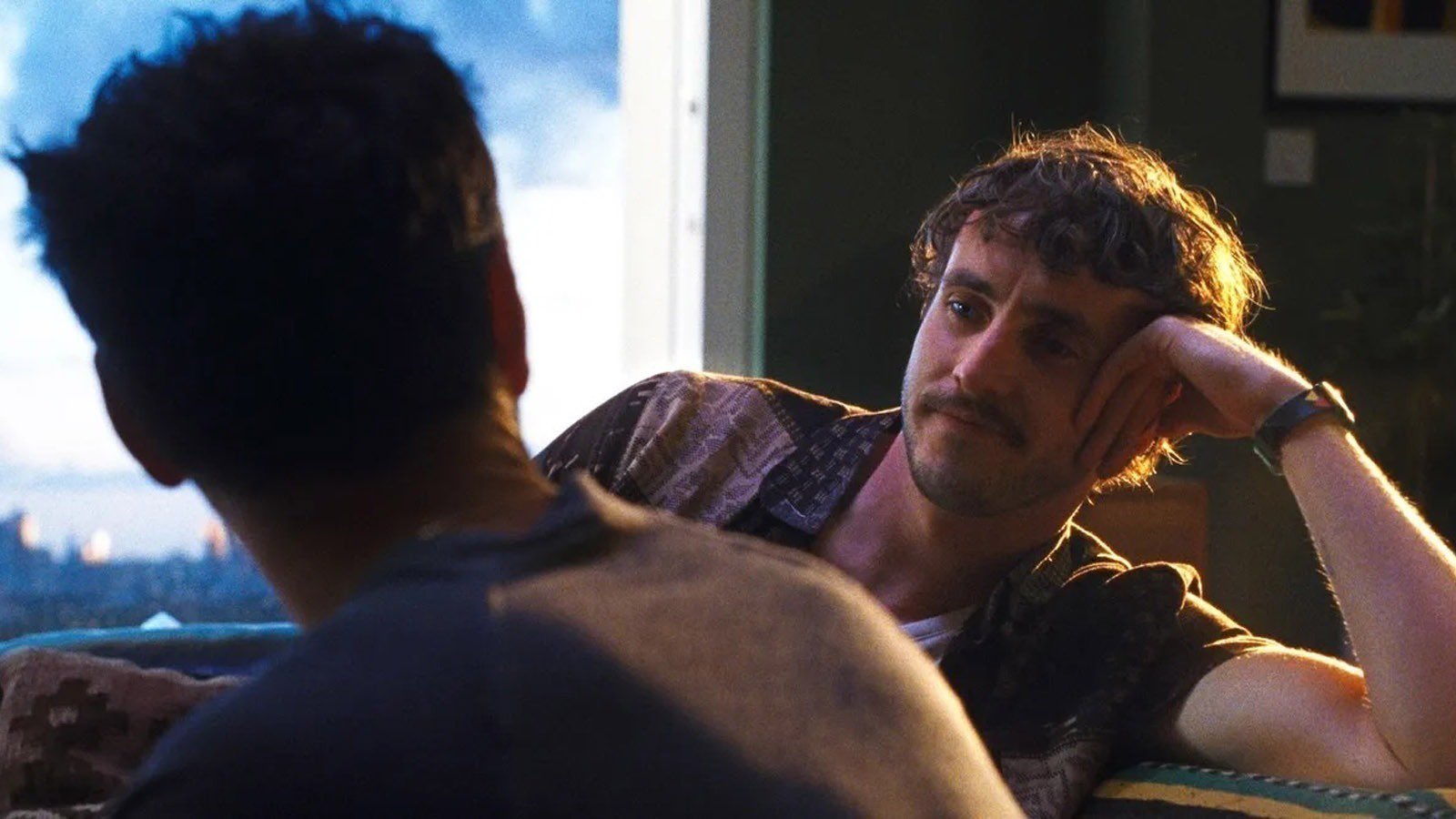
Adam and Harry’s relationship is one of the most heartbreaking and honest gay relationships ever put to film. While the film primarily focuses on Adam’s family, his romance with Harry helps to ground the movie in a shared reality. The two have a twenty year age difference which underlines that despite the progress made during that time, much of the gay experience is still centered around rejection and loneliness. During their first conversation, Harry asks Adam if he is queer. Adam shares that he identifies as gay and can’t get used to calling himself queer, because it was used as a slur against him growing up. Rather than getting on his soapbox about reclaiming the word, Harry admits that he feels the same way about the word “gay” which was weaponized against him as a kid. The words change, but the feeling remains the same. Later, Adam asks Harry if he still is in touch with his parents. Harry reveals that despite being “old-fashioned” his parents were ultimately accepting of his queer identity, but they still are not close. Despite accepting Harry for his sexuality, his parents never express their pride in him, praising his other siblings for following the traditional life milestones: career, marriage, family, etc. This moment perfectly captures the film’s perspective that even in our modern, accepting society, the benchmarks for success are defined by heteronormative expectations which continue to alienate gay people.
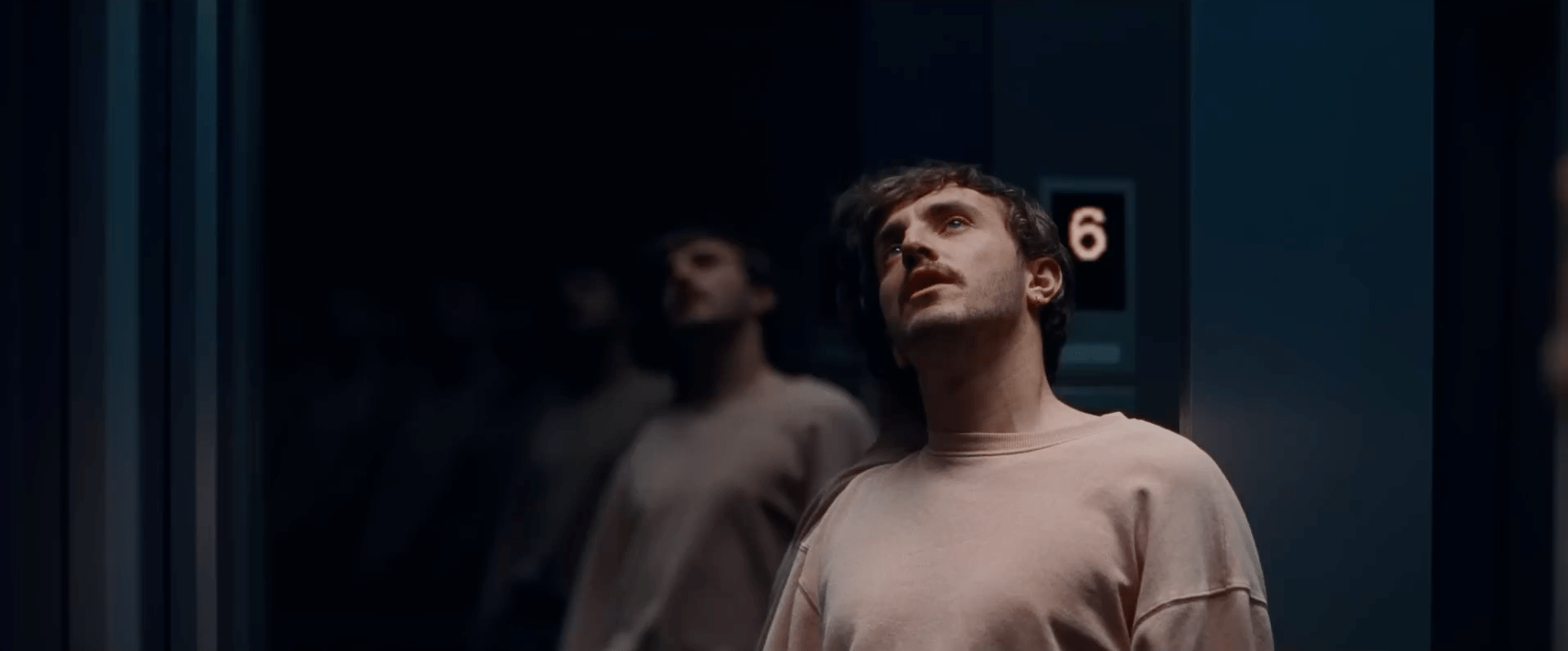
At the center of All of Us Strangers is Adam’s relationship with his deceased parents. When he arrives back in his hometown, Adam wanders around in the park from his childhood, haunting it like a ghost. A man approaches him at the edge of the woods, gesturing for Adam to follow. Haigh frames this scene like the strange man is cruising Adam, only to reverse that expectation by revealing the man is actually his father. Haigh is careful with this comparison not to imply anything sexual between the two, rather it serves to show how Adam’s primary way of relating to other men was influenced by the absence of his dad. The two return home and reunite with Adam’s mom, played expertly by Claire Foy. His parents gush over his long awaited return, asking him questions about his life and career as a writer, but something is off. Both of them are surprisingly younger than Adam and seem to have no recollection of any event from this century. It is revealed that the two died in a car accident on Christmas when Adam was just a boy. Adam’s reconstruction of them allows him to ask questions about childhood and more importantly share with his parents the person he has become.
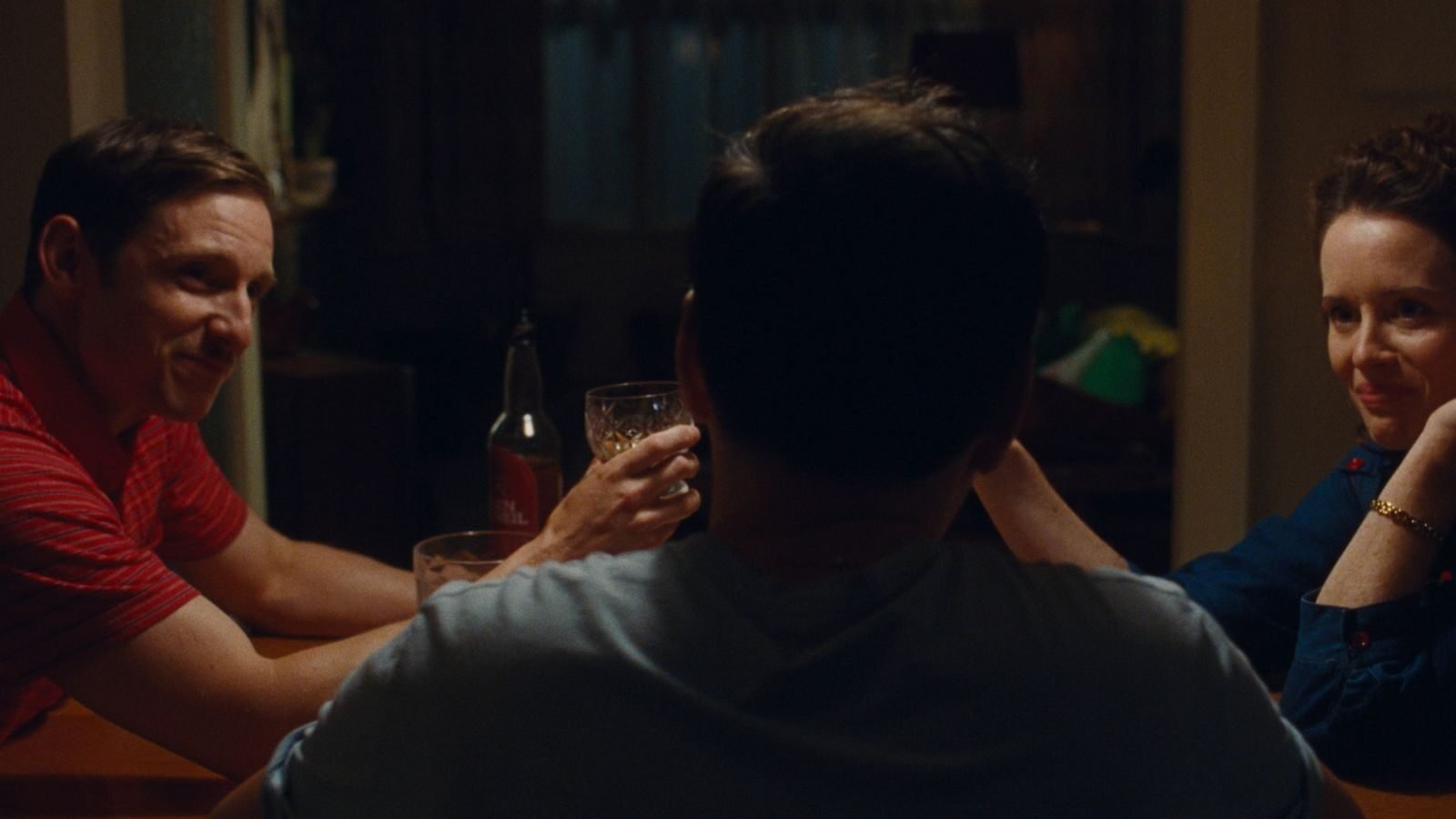
In a subsequent visit, Adam has lunch with his mom, revealing to her that he is gay. This devastating scene is so brilliantly written as his mom tries to wrap her head around it, all at once expressing fear, care, and embarrassment. She feels completely blindsided by the information. Foy beautifully captures this internal dilemma, remaining civil and full of love for her son, while just barely being able to hide her disappointment. At one point she comments that being gay is a lonely lifestyle and Adam reassures her that things are different now. She then asks if he is lonely, completely disarming him with the truth of his situation. Haigh uses this as an opportunity to show that while the gay experience has improved over the decades, it still remains an isolating way of life for so many gay men. This conversation is an almost universal gay experience, if not from a parent, a friend or relative, that Adam was robbed of when they died. While it is a painful conversation, coming out, specifically to your parents, is a huge milestone in making peace with your identity.

Upon Adam’s next visit, he spends time alone with his father who is far more accepting than his mother. His father had his suspicions growing up, and therefore was far more prepared to receive confirmation. His father reveals that he knew when he used to hear Adam crying in his room after school. When Adam pushes back demanding to know why he never checked on him, his father reluctantly admits that he felt guilty because if he were a kid in Adam’s class, he probably would have bullied him too. Adam comforts his father, assuring him that there were good memories too. His father tells him how proud he is and the two embrace. The camera pans over to their reflection in the mirror, showing Adam as a young boy held by his dad.

Scott does incredible body work throughout All of Us Strangers, adopting the physicality of that insecure child. In every scene with his parents he fully embodies his childhood fear of rejection and confusion over identity. Father and son relationships are especially fraught in the gay community, with dads being the primary arbiter of masculinity early in life. There’s a dissonance between the need to uphold those societal standards for their sons and the unconditional love they feel for them. All of Us Strangers takes this opportunity to explore this estranged relationship, providing catharsis rarely experienced in real life.
All of Us Strangers is a devastating story about how memories of loved ones linger in our brain like ghosts long after they pass. It is a profound testament of the power love has to open ourselves up to being truly seen by another. How that tangled knot in our chest, we hope no one notices, can be nurtured and cared for only if we are brave enough to allow it.

 Reel Take
Leave a comment