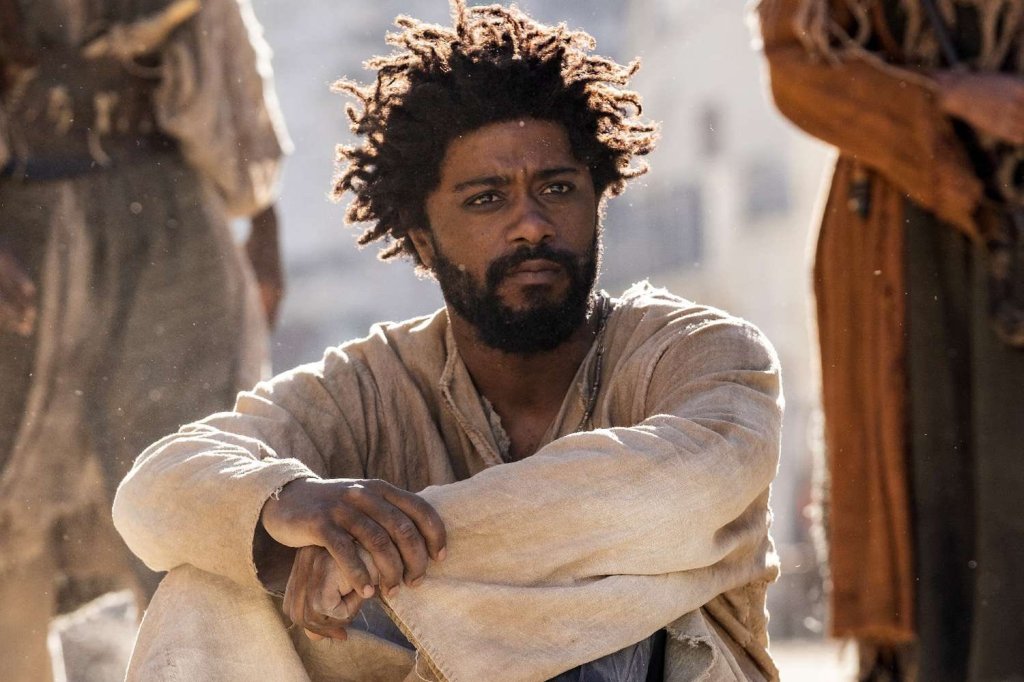
The Book of Clarence is a sweeping Biblical epic with a modern, comedic twist. This is the latest from director and music producer, Jeymes Samuel, who previously won the BAFTA for Outstanding Debut from a British Writer, Director, or Producer for his 2021 film, The Harder They Fall. Samuel played with the conventions of the Western genre in his debut by featuring an almost entirely black cast; he continued this exploration with The Book of Clarence by using the popularity of Biblical dramas of the early 60s. The film stars LaKeith Stanfield as the titular Clarence, an opportunistic peasant living in 33 A.D. Jerusalem during the rise of Jesus Christ. Debt-ridden and looking for a quick fix for his troubles, Clarence pretends to be a new Messiah, tricking the townsfolk out of their money with his illusions. With debtors and Roman soldiers hot on his trail, Clarence recognizes the ability his words have to inspire his fellow man and the threat faith poses to those in power.

The film is essentially Monty Python’s Life of Brian for the modern era, with both film’s conflict and humor primarily driven by a case of mistaken Messiah identity. “Book One” of The Book of Clarence starts off strong as the audience is introduced to an off-beat cast of characters. Clarence and his closest friend Elijiah are engaged in a chariot race with an intensely competitive Mary Magdalene when a run-in with the local villagers causes him to crash and wreck his vehicle. Unfortunately that cart belonged to Jedediah the Terrible, a loan shark with a propensity for violence, and Clarence must pay him back before the end of the month. From here, hijinks ensue for Clarence and Elijiah as they hatch their false god scheme. The jabs at organized religion, racism, and other institutions of oppression are well written, thought provoking, and occasionally funny, but become fewer and farther between over the movie’s runtime.
For all of “Book One” and most of “Book Two”, Clarence not only doesn’t believe in God, he outright mocks those who do, including his own brother, a disciple of Jesus. The script really hits its stride during a scene where Clarence confronts Mother Mary about the legitimacy of her virgin birth. The argument that ensues somehow manages to tie in serious, scholarly religious debate with blasphemous sex jokes and makes for one of the most memorable scenes. This bold, anti-religious stance is exciting to witness and feels especially subversive for a major release. However, it is held back by its contradictory tone and incoherent message.

The third and final book in The Book of Clarence wraps up Clarence’s charade as he is taken into the custody of Roman governor, Pontius Pilate, played by James McAvoy. It is worth noting here that all of the Romans are played by white actors, a revisionist commentary on how the oppression of Christians in Rome parallels the oppression experienced by black people around the world today. The decision is designed to provoke a reaction out of the audience, but I don’t know if it is effective at saying anything beyond drawing the comparison. Benedict Cumberbatch plays Benjamin the beggar who after a transformative makeover embodies the likeness of Jesus Christ from Western art history. Despite being the contemporary of the real, black Jesus, people rush to praise Benjamin simply for “looking like Jesus”, a far more compelling critique on the intersection of race and Christianity. However, the meaning gets somewhat muddled here, as Benjamin is made to die on the cross just the same.
This is where things completely fall apart for me. The film takes a left turn where all of the humor and irreverence is replaced with serious consideration for the power faith has to change lives. Even in Clarence’s newfound devotion, the film’s messaging struggles to identify exactly why and how this shift occurred in him. After an hour and a half of Clarence disparaging religious icons to their faces, I have a hard time accepting the sudden solemn shift not only in Clarence but the filmmaker as well.
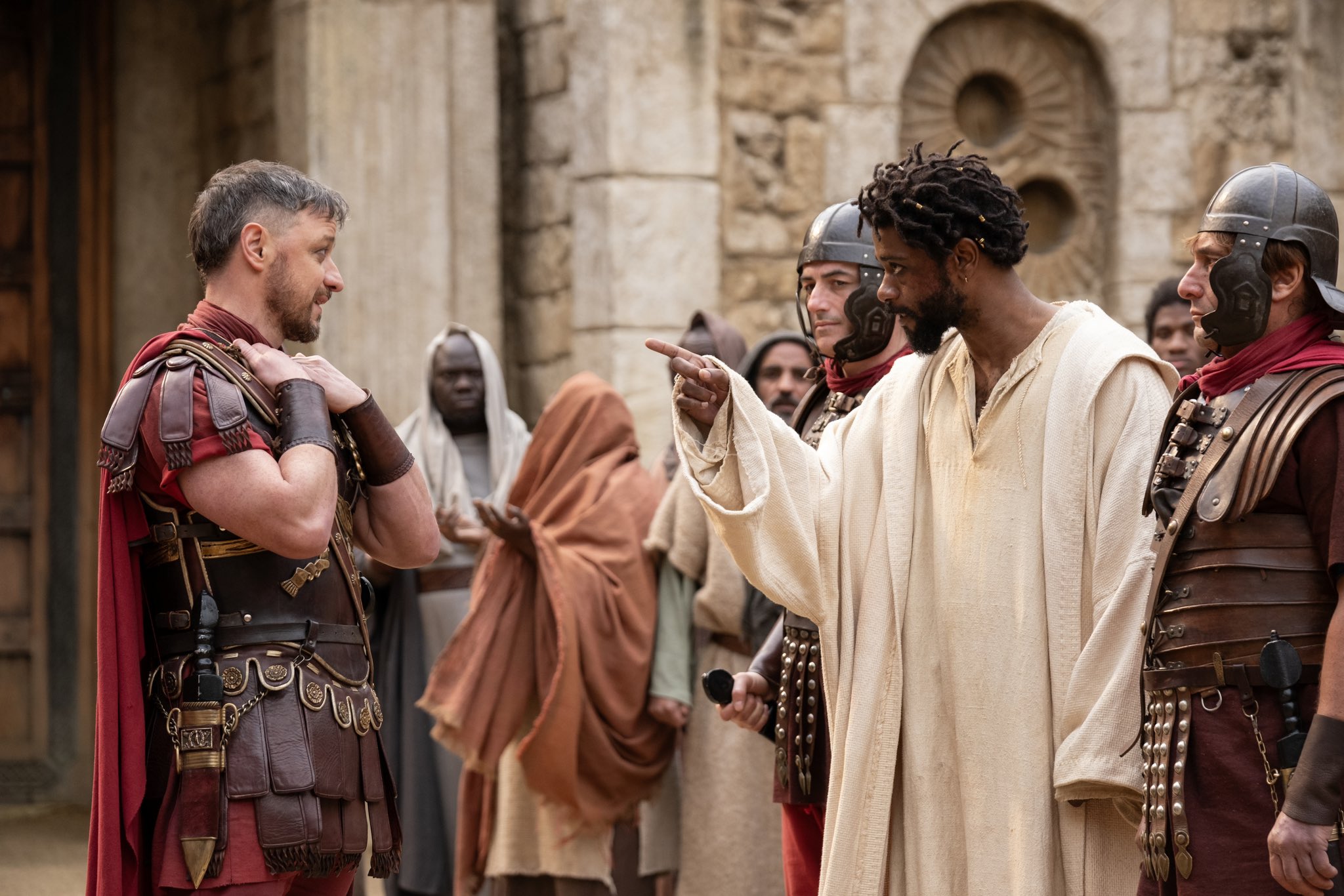
Stanfield is an actor that despite being in the industry for a decade, having multiple lead roles in film and television, and even an Academy Award nomination under his belt, still feels criminally underrated. Director Samuel seems to agree because he cast Stanfield as twin brothers, Thomas the Apostle and Clarence in this film. The role is challenging due to the shifting tones of the film, sometimes calling for a drug-fueled, high speed, chariot race and other times requiring Stanfield to preach with the conviction of the recently converted. Of course, chameleon that he is, Stanfield has no problem navigating this erratic and episodic script, delivering the only truly convincing performance in the film. Because of that, it is easy to believe Clarence could amass a group of followers on a few tricks and his charisma alone. What Stanfield is able to accomplish with just a close up on his eyes is a marvel to witness. This is most evident in the film’s harrowing final act, as Clarence is sentenced to be crucified by the Romans. The suffering is so apparent on his face and incredibly painful to watch, Stanfield is committed and believable throughout the film.

The Book of Clarence is a gorgeous genre film full of set pieces inspired by the Biblical epics of a bygone era in Hollywood. Samuel smartly uses genre conventions to subvert audience expectations and when it works, it delivers sharp commentary on race, religion, and the absolute power of the state. However, when it comes time to preach a sermon of its own, it struggles to reconcile those critiques with the film’s genuine religious faith. The Book of Clarence is a thoughtful comedy held back by its mismatched tone and refusal to land on a message, alienating both the devout and the sacrilegious in the process.



 Reel Take
Leave a comment