
The Color Purple is a show stopping musical drama about one woman’s journey to freedom and the power of resilience in the face of suffering. The film is a screen adaptation of the stage musical, based on the original novel by Alice Walker. The musical premiered in 2004 with the original Broadway run lasting from 2005 to 2008, earning eleven Tony Award nominations. Later, the 2015 run of the musical went on to win the Tony Award for Best Revival of a Musical. Walker’s novel was previously adapted for the screen in Stephen Spielberg’s 1985 film, The Color Purple, which starred Oprah Winfrey and helped launch Whoopi Goldberg’s career. Spielberg returns alongside Winfrey and Quincy Jones as producers on The Color Purple (2023), with Blitz Bazawule as the breakout director on this film.
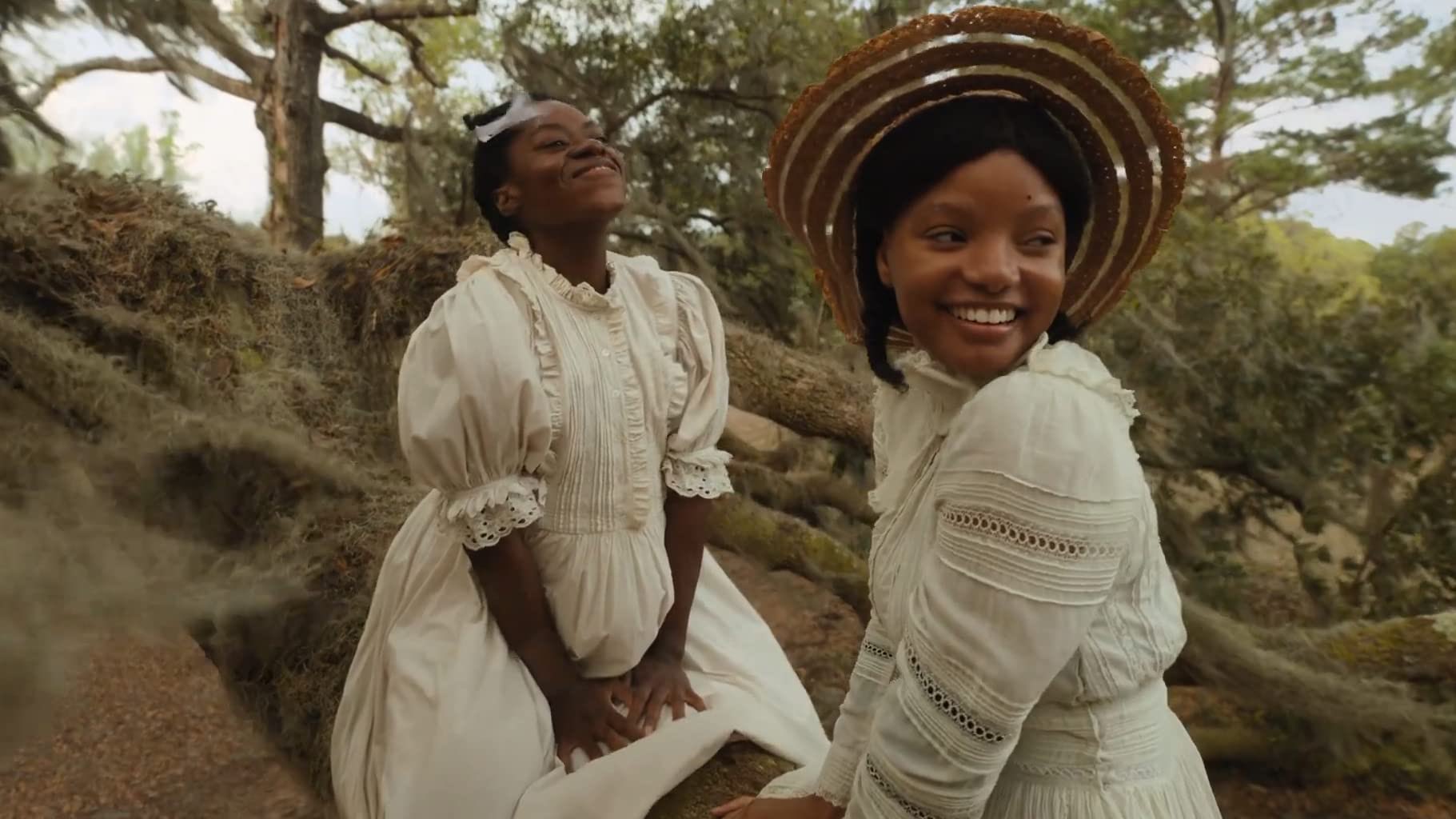
Set in the early 20th century, along Georgia’s coast, the film follows the life of Celie, a downtrodden teenage girl who is pregnant with her second child by her abusive stepfather, Alphonso. Celie’s one comfort in this world is the love and friendship she shares with her sister, Nettie, played by Halle Bailey, a hopeful and kindhearted young girl. Although it’s a smaller role, Bailey excels in her vocal performance here, another successful musical role this year for the rising star. After giving birth, Alphonso separates Celie from her child and sends her away to be the wife of an enigmatic man by the name of Mister, played by the devilishly talented Colman Domingo. Mister is a loveless and sadistic man who rules his home through force, regularly striking Celie and demeaning her character. Domingo gives a fully realized performance as Mister, never flattening the character to a simple antagonistic role while still demanding fear and creating tension every time he is on screen. His tactfulness as an actor provides one of the most satisfying character arcs of the entire film. With no other options and terrified of what Mister might do if she fights back, Celie resigns herself to a life of trauma. Celie and Nettie are reunited briefly before Mister throws Nettie out in the rain when she rejects his advances. Years pass and Celie is now a grown woman, still living on Mister’s land. Despite Nettie promising to write every week, Celie has not heard from her since the night they were separated. Celie holds out hope that the two will be reunited again one day.

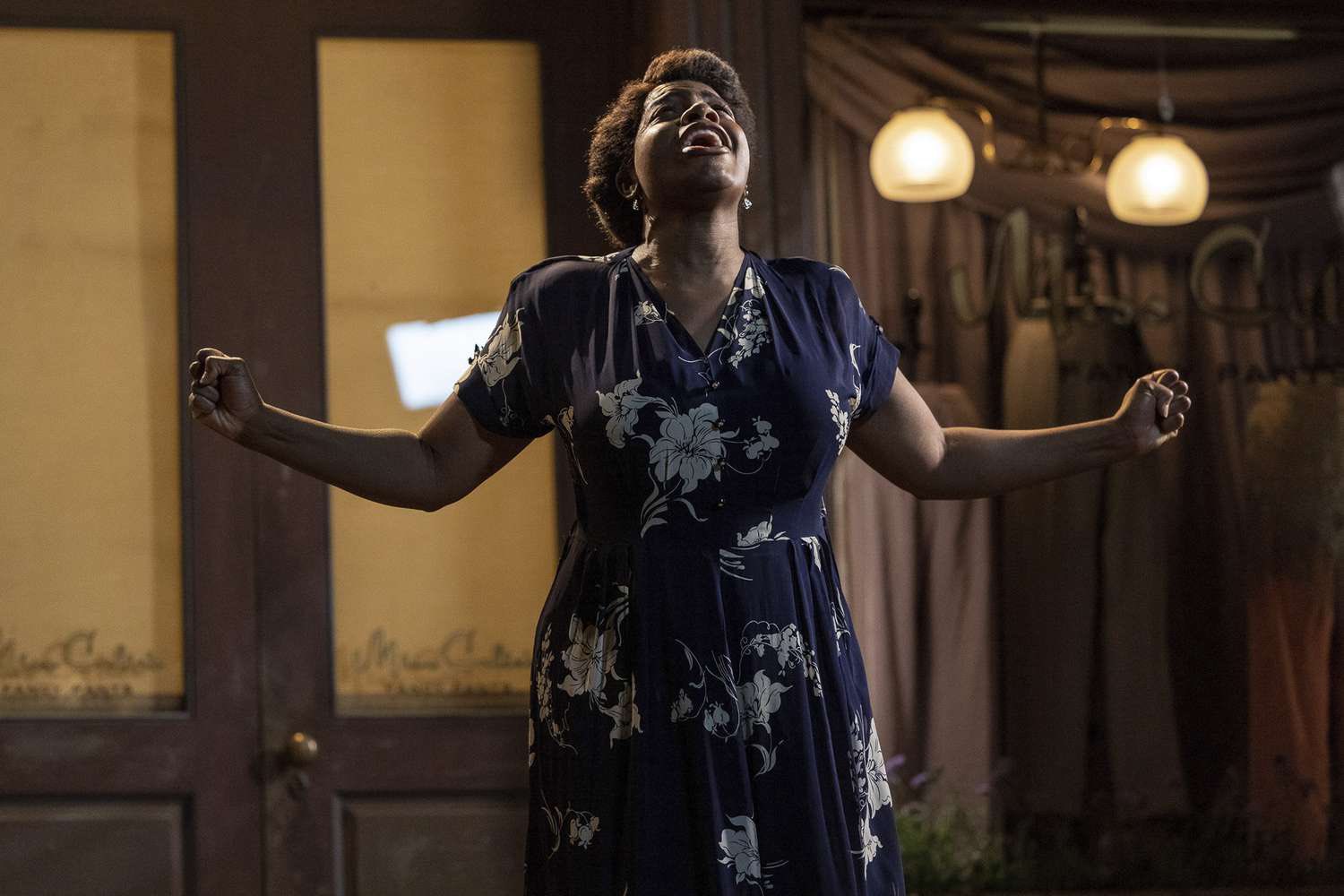
The second act stars Fantasia Barrino as adult Celie, a role that she previously played during the 2007 run of the Broadway show. Barrino admittedly does not have a lot of experience acting behind the camera, but you would not know it from this performance. Perhaps it is because she was already intimately familiar with the character and the music that she is able to completely embody the character of Celie. It is the most understated performance in the film, especially next to some of the other showier characters, but the pain Barrino is able to articulate without saying a thing at all is a testament to her ability. The American Idol winner gives the strongest vocal performance in The Color Purple, with the title track and “I’m Here” being among the many standouts. Barrino’s performance is set apart from her costars with her ability to effectively emote using the tone of her voice alone. There’s an intentionality in the way she delivers her lyrics that is unmatched by the other, incredibly talented, singers in this film that comes from her experience on stage. 2023 is an extremely crowded year for Best Actress performances and Barrino will likely receive a nomination, as did Goldberg for her portrayal of Celie. If Barrino chooses to, she could have a successful career as a screen actor, especially under the current resurgence of the movie musical.
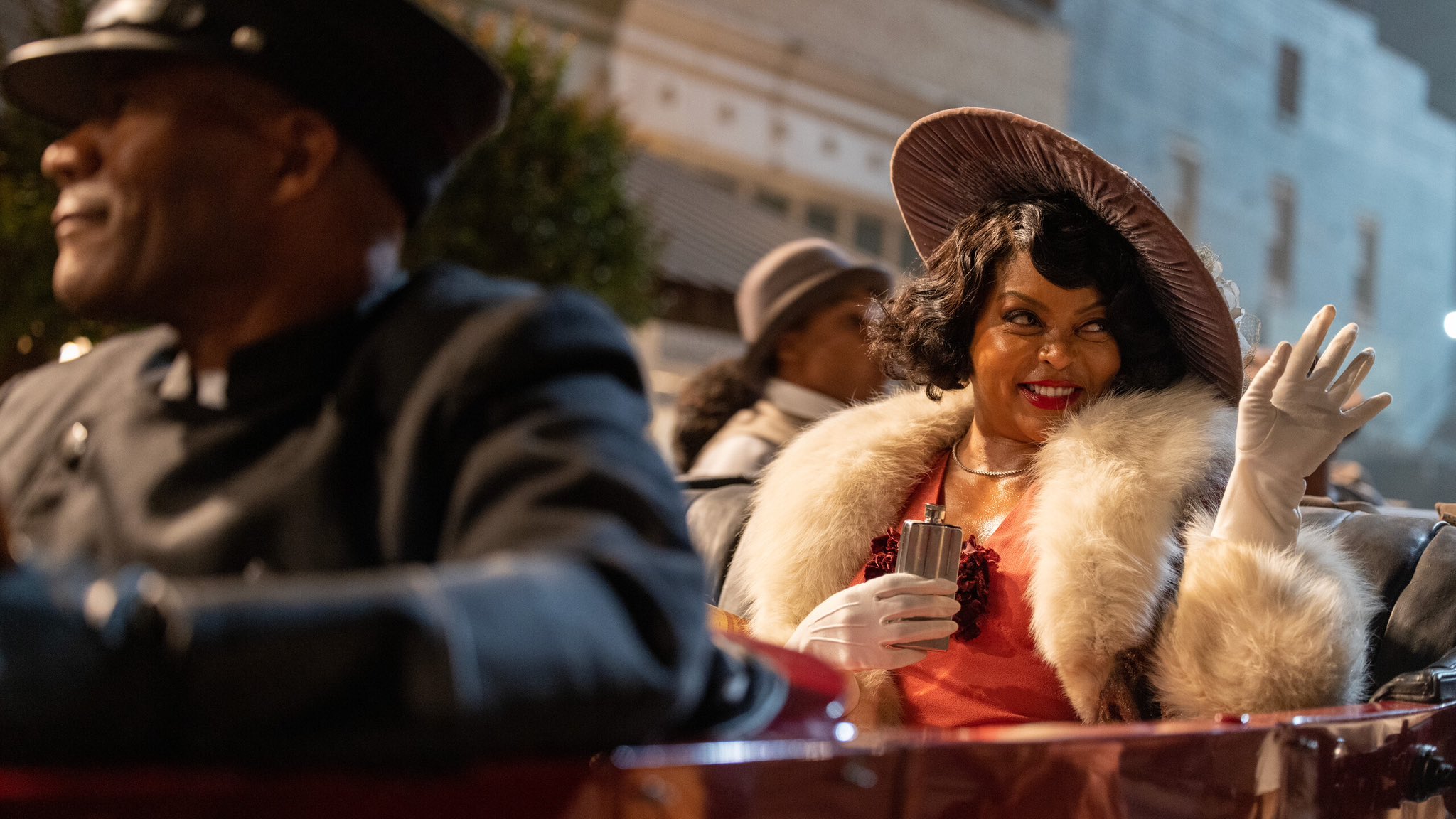
The Color Purple’s ensemble cast is a force to be reckoned with, each member giving it their absolute all. Taraji P. Henson stars as Shug Avery, a sexually liberated Blues singer who has an affair with Mister. Henson’s vocal performance is captivating and a reminder of the unbridled star power she possesses. “Push Da Button” is a complete showstopper, one of the most memorable performances in the film. Every time Henson opened her mouth, she blew the roof off of the theater. Shug Avery is essential to Celie’s growth as a woman, teaching her about self-respect and how to indulge in life’s many pleasures. The two develop a romantic relationship, share an on screen kiss, and sleep together which was an essential part of Walker’s novel. In the 1985 film, this romance was limited to a single, subtle peck, censored out of fear of potential homophobic backlash. Henson plays Shug as the idealized free woman of the early 20th century. She has her own career, not tied down to a home and children, and most tantalizing to Celie, Shug expresses her sexuality freely. Her character opens up a world of possibility for Celie, taking her away from the oppressive life Mister has imposed on her.
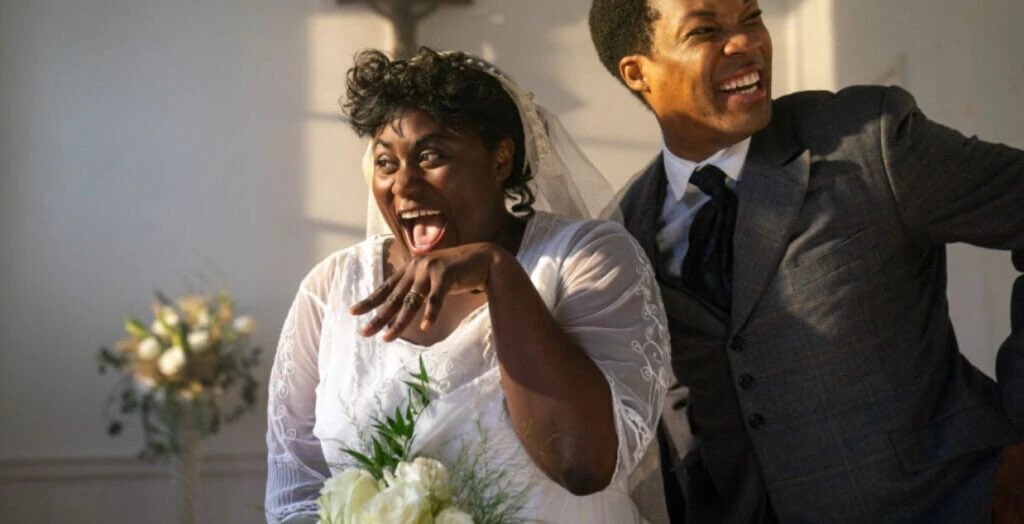
Danielle Brooks is electric on screen in her performance as Sofia, Celie’s brash and quick-witted sister-in-law. Brooks previously received a Tony Award nomination for her performance as Sofia on Broadway. Similar to co-star Barrino, it is obvious that this prior experience with the character has helped Brooks in bringing this larger than life character to the screen. Sofia is primarily a comedic relief character as her rough and tough exterior brushes up against the patriarchal expectations of women during this time. This is exemplified in her performance of “Hell No!” a complete and total rejection of the abuse and subjugation women of this time were expected to endure. Another stand out musical number in The Color Purple that serves to inspire Celie to stand up for herself against Mister. Brooks has received Oscar buzz for Best Supporting Actress which comes as no surprise to anyone who has seen the film. Not only is Brooks endlessly funny in an otherwise bleak story, she delivers one of the most heartbreaking moments in the film. Sofia refuses an offer from the mayor’s wife to become her live-in nanny. When the mayor confronts Sofia for the perceived disrespect, she lands a right hook on him and finds herself in a jail cell for six whole years.

While imprisoned, Celie visits Sofia once a week providing her with a glimmer of hope in an otherwise soul crushing situation. The destruction of Sofia’s spirit is so difficult to watch, proving Brook’s impressive skill as an actor. Later, Sofia has a breakthrough proclaiming to Celie that she knows that God is real because Celie fully embodied his light when she visited Sofia every week. At this moment, Celie realizes the subtle power that hope and faith can provide someone, giving them a reason to wake up every morning. Celie goes from resenting a God that would allow the tragedies she’s experienced to happen, to understanding the power of God within her to uplift and support those she loves.
The Color Purple is a joyous celebration of life in the face of hardship. The film is a reminder that we are never truly alone so long as we love freely, without judgment or fear. In the closing number, Celie is finally reunited with her sister Nettie who has spent the last few decades working as a caregiver for a family traveling across Africa. She reveals to Celie that the children she helped raise were the very same ones Celie was forced to give up as a teenager. One final miracle to solidify Celie’s faith. The whole cast joins Celie in singing “The Color Purple” as she basks in the light of all the love in her life. The Color Purple is a deeply touching film about celebrating life despite its many hardships, encouraging audiences to uplift the ones we love and rise above adversity, together.



 Reel Take
Leave a comment