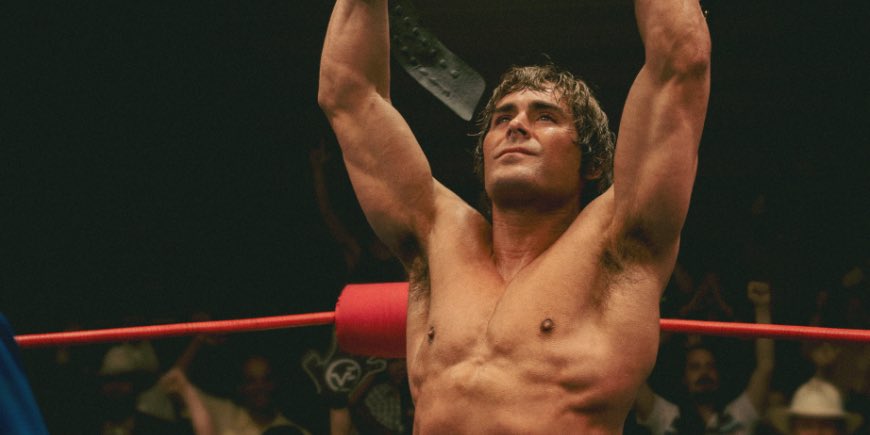
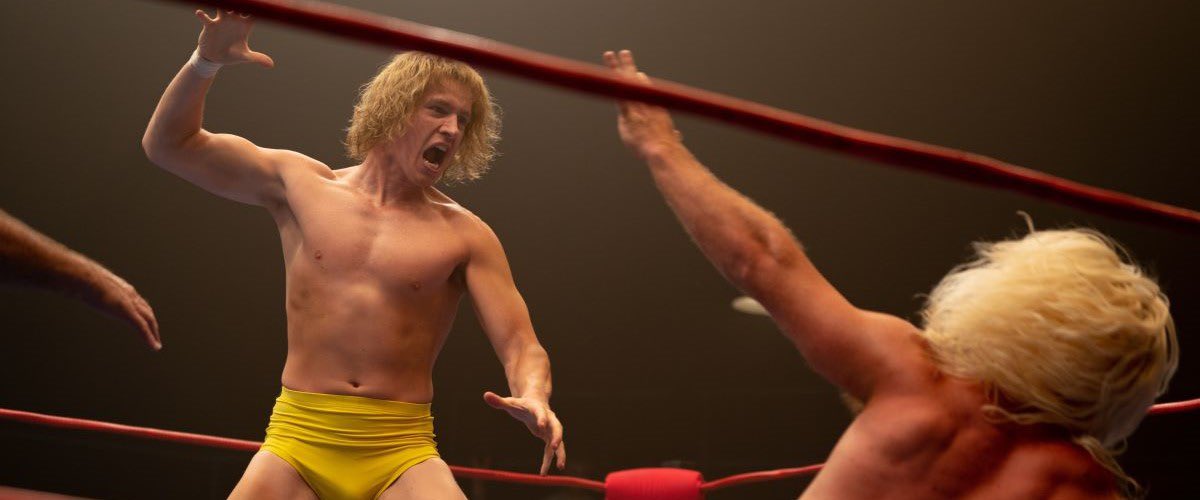
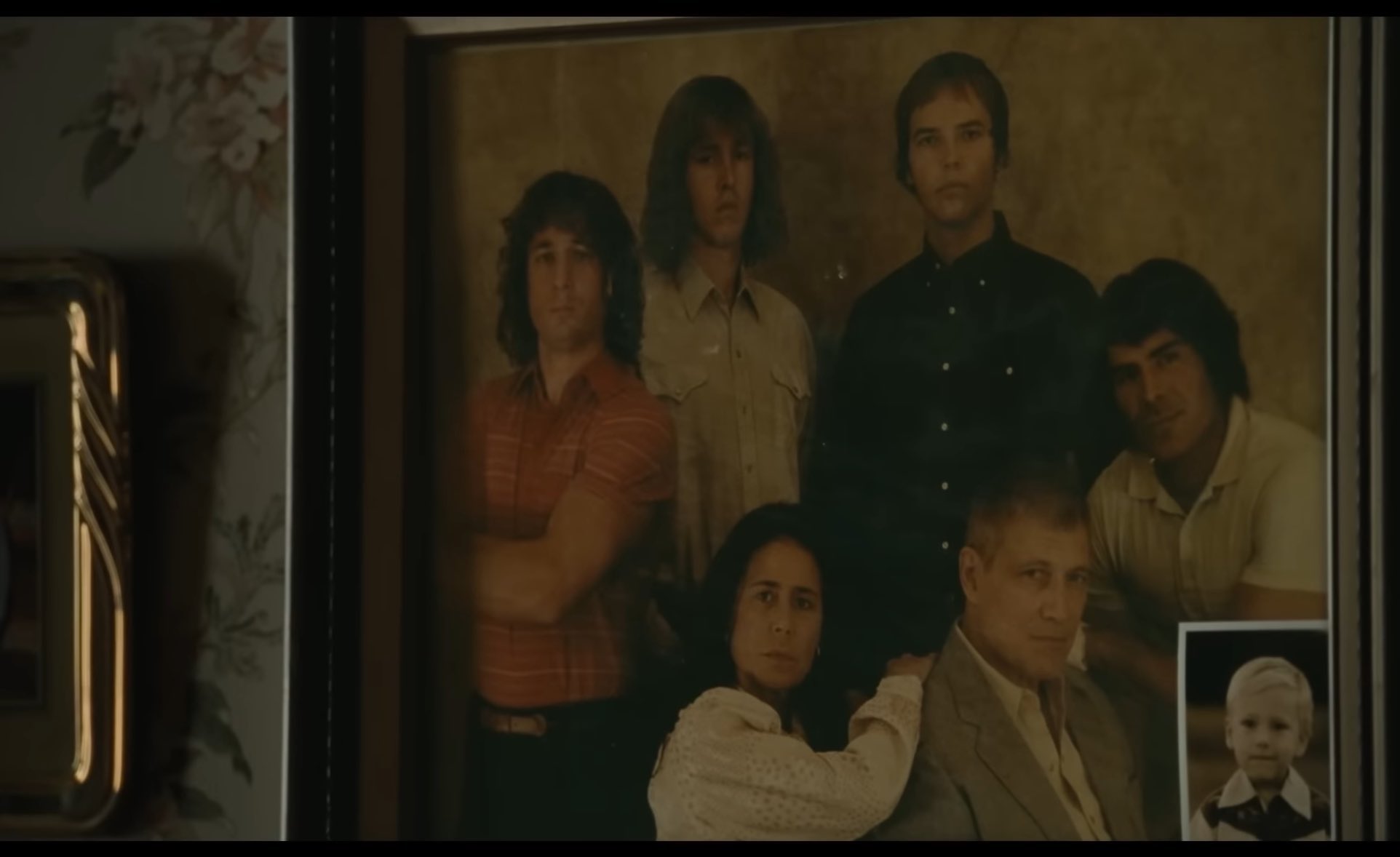
The Iron Claw is a heartbreaking and unflinching depiction of the physical, emotional, and spiritual toll that professional sports takes on one family. Set in Texas 1979, the film is based on the true story of the Von Erich family, who shaped the world of professional wrestling forever. Directed by Sean Durkin, The Iron Claw follows the Von Erich patriarch Jack “Fritz”, a world champion wrestler with dreams of creating a dynasty to carry on his legacy. His eldest son Kevin, played by Zac Efron, is on the brink of achieving a world championship title, the very same one that slipped through Jack’s iron grip decades prior. Kevin and his three younger brothers, David, Kerry, and Mike, train hard and push themselves to the limit so they can break the curse that has plagued their family with tragedy. The film asks you to witness the implosion of this family and question whether the pain is worth the glory.
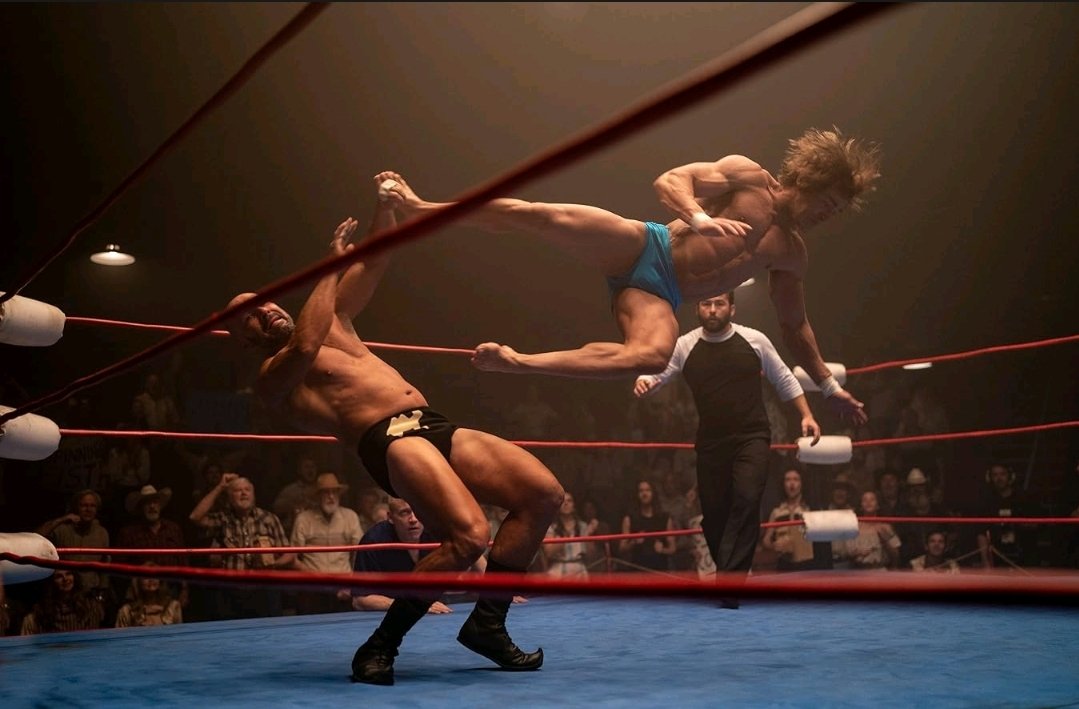
Jack is a hardened and emotionally closed off man who uses his sons as mere tools to his own end. Holt McCallany does an excellent job at playing Jack as unsympathetically as possible, while still maintaining some semblance of reality, never veering into cartoon villain territory. The character is deeply in pain, only knowing loss and suffering, and determined to create a better life for his sons at all costs. He has a strong single-minded obsession with winning the world championship title and is oblivious to the torment he’s inflicting upon his family. Jack embodies the toxicity within patriarchy that values men solely for their physical strength and brute force. He withholds his love for his children, dishing it out in small doses, reserved only for when they’re successful in the ring. He’s even gone as far as developing a ranking system for the boys based on their athletic achievements. Jack created an environment for his sons where success is defined by a singular goal, with no sacrifice too big, and any deviation from that goal is scrutinized and punished. Desperate for his attention, the boys are willing to harm themselves for the opportunity to be loved by their father.
Zac Efron gives a career defining performance as eldest brother, Kevin, delivering an emotionally resonant and powerful portrayal of a man desperately trying to hold his family together. Post-High School Musical, Efron has had a successful career primarily in comedy and musical films as well as several successful docu-series where he served as host and producer. Not to discount his talent or career thus far, but this role is unlike anything Efron has ever done before, a surprisingly moving performance worthy of award recognition. He brings layers to his portrayal that breathe life into the sweet, somewhat dim, and always passionate Kevin that carries the emotional burden of the film. When we meet Kevin, he is on the verge of qualifying for the world championship match, the only thing that has ever mattered to him. He’s a gentler surrogate father to his younger brothers and the only family member who appears to not be completely emotionally stunted.
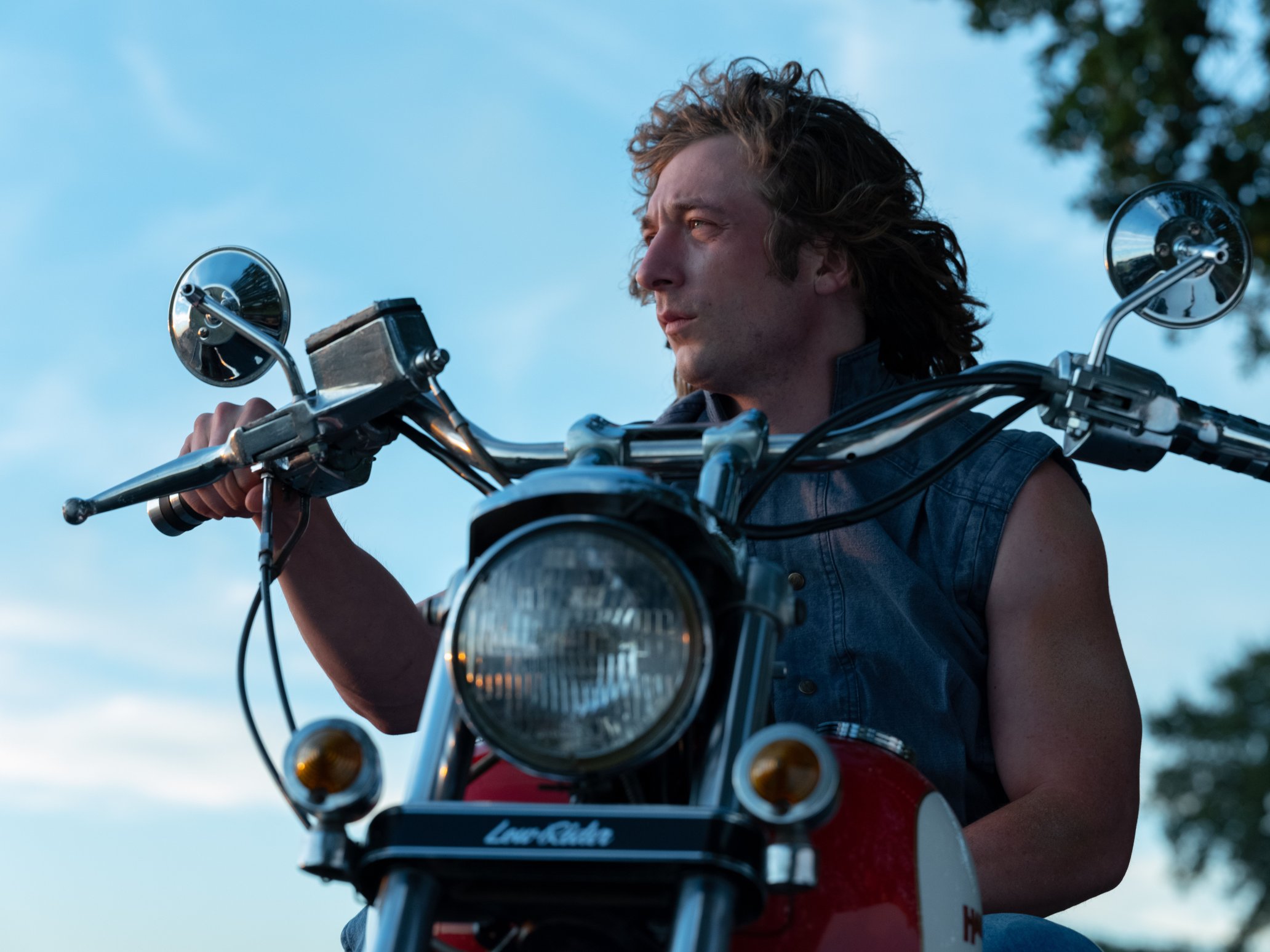
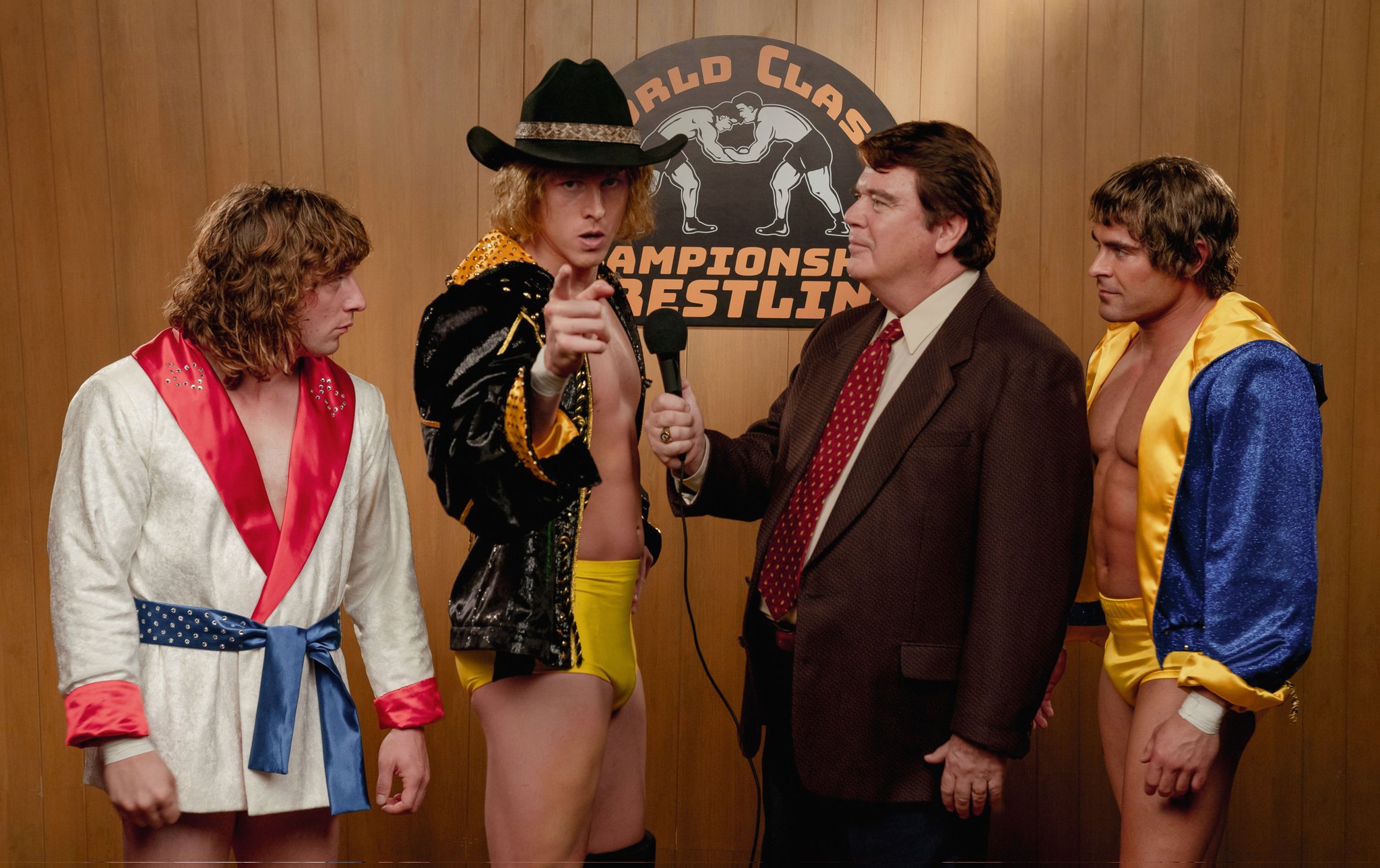
The relationships Kevin has with his brothers is one of the highlights of the film, the bond they share really allows the audience to fall in love with each member of the family. His youngest brother, Mike, is passionate about music and his initial rejection of wrestling puts him on the outskirts as the family’s black sheep. Kevin is acutely aware of the pressure his father is putting on Mike to conform to his will, and is the only one to push back against Jack’s degradation. After the championship match passes him by, his younger brother David, a better performer in the ring, replaces him as the son most likely to achieve their father’s dreams. At first devastated, Kevin then develops a budding relationship with Pam, Lily James, and forms a family of his own where he can almost be free from his father’s grasp, almost.
After Pam gives birth to their first born, Kevin refuses to pass on his last name, believing it to carry a curse that has riddled their family in tragedy. This is Kevin’s first attempt to separate himself from the generational trauma that he views as inevitable. Pam attempts to convince him that the curse isn’t in the name, but the trauma his father inflicted on him, however she acquiesces to his decision. This shift in Kevin occurs after David passes away suddenly at the age of 25. This is where The Iron Claw takes a sharp turn in its tone, going from over-the-top wrestling drama with gaudy costumes to a serious reflection on the true price of winning at all costs. While competing for the world championship title in Japan, David dies due to an erupted intestine, caused by a combination of injury and drug abuse. His death shakes Kevin to his core, shifting his perception of his father who was quick to replace David with Kerry in the championship match. Witnessing how callously his father moved on, seemingly more upset with losing out on the title again, changes something deep within Kevin.
What follows is Jack continuously throwing his remaining sons into the firing line without any concern for their physical and mental well being, resulting in their deaths. This refusal to grieve compounds emotionally on each of the remaining brothers, resulting in the two youngest taking their own lives. Kevin’s attempts to keep his brothers alive are futile against the unrelenting control his father wields. The two have one final confrontation where, fueled with vengeance, Kevin pins Jack in a chokehold nearly killing him in the process. Kevin lets go, literally and figuratively, finally releasing himself from his father’s iron claw. By the end of the film, Jack has no one left, his singular passion took everything from him and his remaining family members can no longer stand to be around him.

The Iron Claw closes on Kevin, deep in reflection, imagining Kerry, finally at peace, crossing the River Styx. When Kerry arrives on the other side of the river, he is reunited with their brothers including the oldest, Jack Jr., who passed away in an accident while Kevin was just five years old. Through tears in his eyes, Kevin watches his two sons play football in the yard. They comfort him, pushing back when he says they shouldn’t see a man cry, telling their father that it is okay, that everyone cries. When asked why he is upset, Kevin states that watching them play reminded him he used to be a brother, finally allowing himself to grieve. His sons hug him and in the most devastating line read of the entire film, offer to be Kevin’s brother too. The curse has finally been lifted. The Iron Claw is a harrowing film that puts the audience in an emotional headlock and refuses to relinquish even after the credits have rolled. This fictional adaptation of the Von Erich family’s tragic downfall is a remarkable feat in storytelling that treats its subject matter with the gravity and respect it deserves. Even if you know nothing about professional wrestling or this family’s legacy, The Iron Claw is a striking story about masculinity and intergenerational trauma that resonates far beyond the wrestling ring.

 Reel Take
Leave a comment