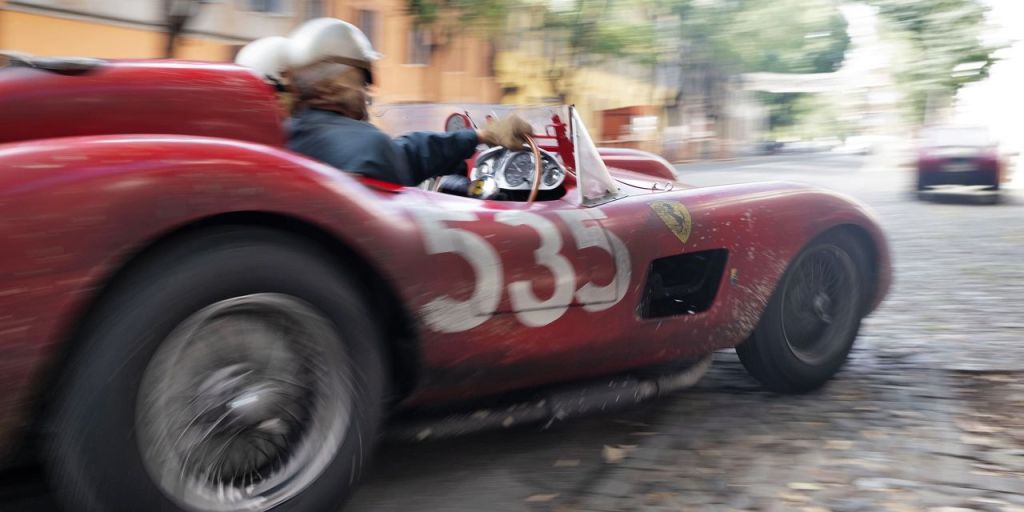
Ferrari is a sports drama about one man’s all encompassing devotion and the trail of destruction left in his wake. The latest from director Michael Mann is an adaption of the biography, Enzo Ferrari: The Man, the Cars, the Races, the Machine, which follows Ferrari as he struggles to rebuild his failing car company in post-World War II Italy. In addition to his professional challenges, the death of his first born son Dino destroys his marriage with wife Laura, who is now little more than a business partner to him. In the aftermath, Ferrari, haunted with concerns about his legacy, forms a team of competent drivers to participate in the Mille Miglia, a dangerous 1000 mile race around Italy.

Adam Driver takes on the titular role of Enzo Ferrari, giving a somewhat lackluster performance. There aren’t a lot of layers to Driver’s portrayal, oscillating rapidly between waxing poetic about the importance of beauty and shouting at his wife, Laura, about their failing business. The film opens on Ferrari speaking to his son’s grave about his plans to turn his fate around. From a writer’s perspective this serves two purposes, one to show the humanity and pain within Ferrari, but also to get at it his real concerns with how his name will be remembered once he has also died. This fear of death and legacy is something many successful stories are preoccupied with, however here it comes across as callous and overpowers the genuine loss Ferrari has experienced. Ferrari seems to believe his son’s ailments and passing is a reflection on his failure rather than simply a tragedy. Unfortunately this only deteriorates from here as the rest of the film shows people dying at the hands of his sports cars, which Ferrari is unwilling to take accountability for lest it tarnish his name.
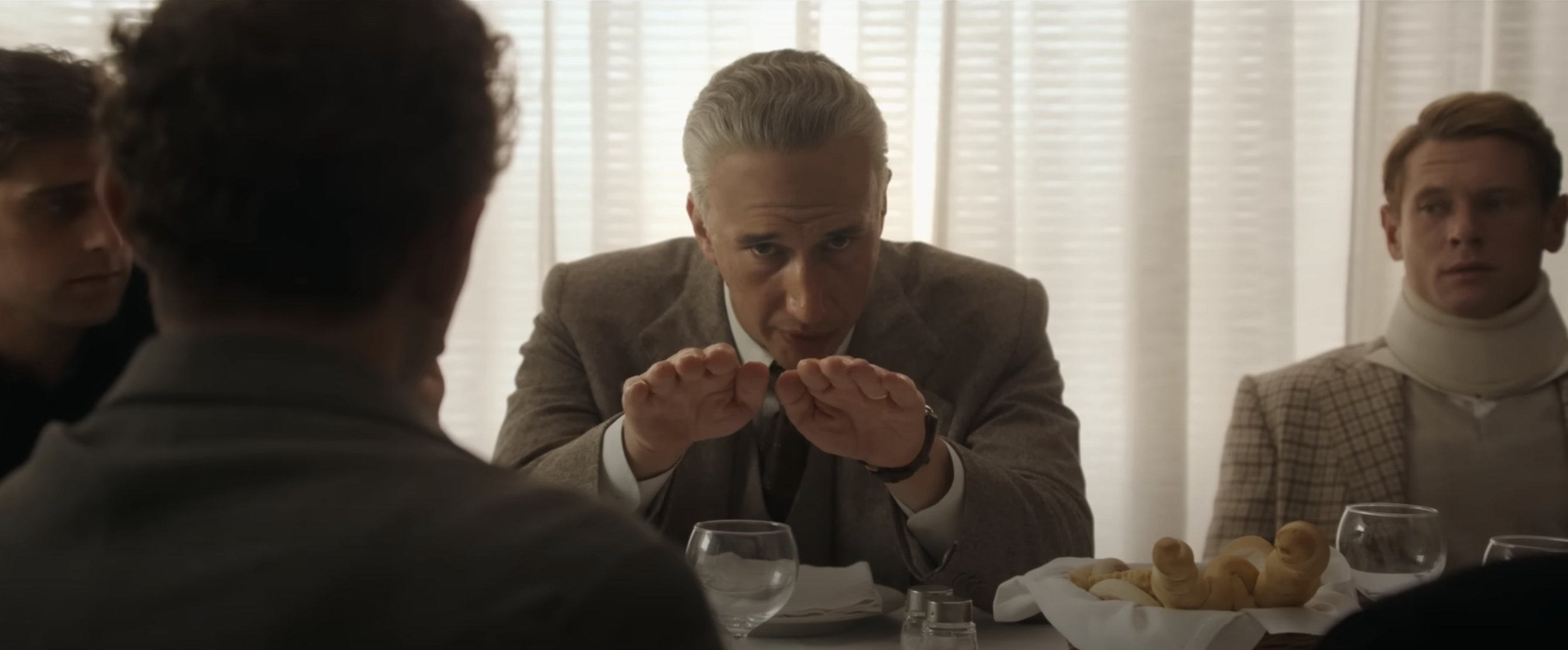
Biopics about morally gray people are not inherently endorsements of that individual’s actions, in fact it can be incredibly engaging to learn what motivates consequential people, good or bad. However, here it falls completely flat. Driver’s portrayal of Ferrari is arrogant and pretentious, highly concerned with power and beauty above all else. His evil is more banal than most historical figures in film, but still directly results in death and injury towards innocent people. Early in the film, one of Ferrari’s racers is testing out a new vehicle on the track. An aspiring driver approaches Ferrari, asking for an opportunity to race for him. Ferrari brushes off the comment, saying he already has a driver at the exact moment that driver crashes, is flung through the air, and dies on impact. This scene is written and set up exactly like a joke, with no concern for the life lost, especially since what follows is Ferrari sparring with reporters disputing claims that he is a “widow maker”. It’s that dissonance between the way the film praises Ferrari’s ingenuity and footnotes his moral failures that makes it incredibly difficult to care and follow him along his journey to greatness.
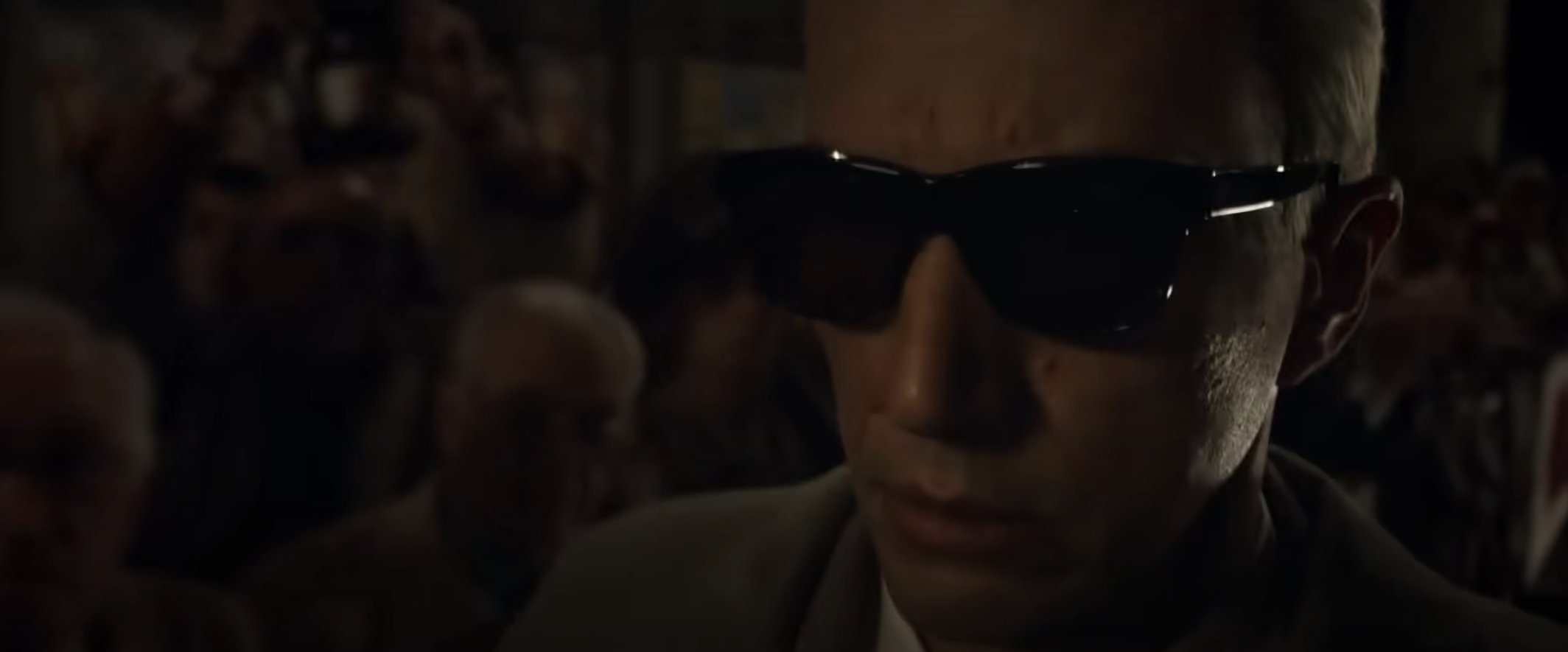
To compare it to a biopic from earlier this year, Christopher Nolan’s Oppenheimer does an exceedingly excellent job at portraying the character as a genius with clear motivations and an inherent good nature without ever letting him off the hook for his catastrophic decisions. Mann’s attempts to balance Ferrari’s character doesn’t work because he is never made to take responsibility for his actions. Maybe this has more to do with who he was as a real person, but as a film character, Driver and Mann fail to fully realize Ferrari as someone the audience should root for. For a biopic with that character’s namesake, it’s disappointing to leave with the overwhelming feeling of “why should I care?”

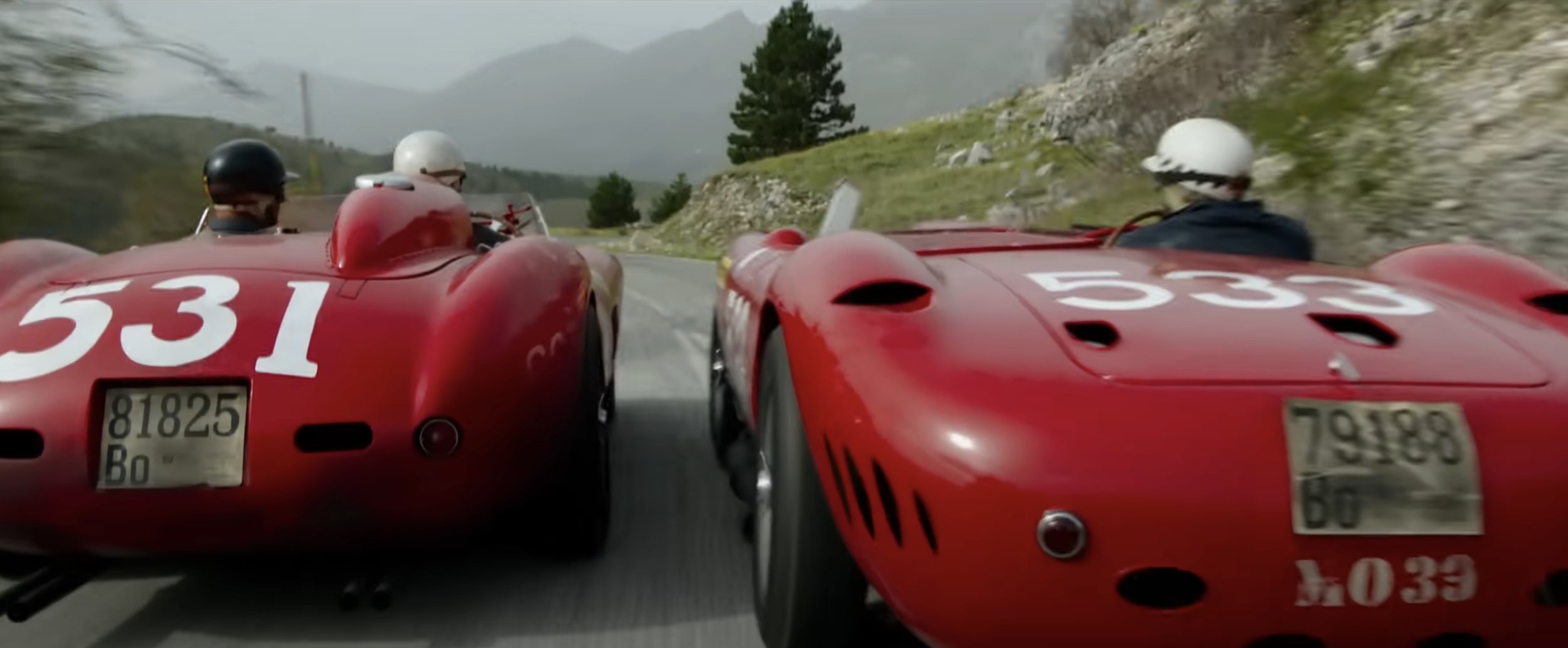
There are a few pieces of Ferrari that exceeded my expectations. Mainly, the sound design is unbelievably exhilarating during the Mille Miglia race delivering countless edge of your seat moments. Unless you have an excellent home sound system, to really experience the thrill of these scenes, you need to see it in theaters. The soundscape is supported by some of the most dynamic shots of racing ever captured on film, figuratively but almost literally putting the audience in the driver’s seat. The whole film builds towards the Mille Miglia, but with how much it drags its feet to get there, it is hard to confidently say that it is worth the wait. If you are willing to tough it out though, you are rewarded with one of the most devastating and shocking scenes of the year. The major crash scene in the final act is sudden and violent, not shying away from the bloody and visceral destruction these machines of beauty can unleash. The crash is based on a real event in 1957 that took the lives of both drivers and nine civilians, five of which were children, and permanently ended the Mille Miglia race. This scene works as a solemn reminder of how dangerous the sport is, but again fails because Ferrari avoids accountability and the film absolves him of consequence as the crash was the result of broken car parts left in the road.
It is hard to buy into a biopic that depicts its subject in such a cold and ruthless light, yet demands that the audience care for his plight. Five children are killed as a result of Ferrari’s quest for greatness, yet the film focuses solely on Ferrari’s children and their ability to carry on his legacy. A legacy that is based on luxury vehicles, inaccessible to most of the world’s population. The film ends with Ferrari separating from his wife and reclaiming the son he had out of wedlock as the heir to his throne. This is meant to serve as the emotional turning point in the story, showing Ferrari’s transformation from hiding his personal indiscretions, out of concern for bad publicity, to fully embracing his illegitimate son. This is only possible after Laura is forcibly removed from the company she helped build and later passes away. While I don’t fault Mann for portraying Ferrari as the real person he may very well have been, there’s a conscious decision made to excuse and undermine all criticism of the character within the film. Ferrari could be an excellent and thrilling film if it were less concerned about being a love letter to classic racing cars and more interested in exploring the complicated legacy of the real man. There’s a dangerous impulse to exonerate powerful men because of their apparent genius that must be met with scrutiny at every opportunity.


 Reel Take
Leave a comment