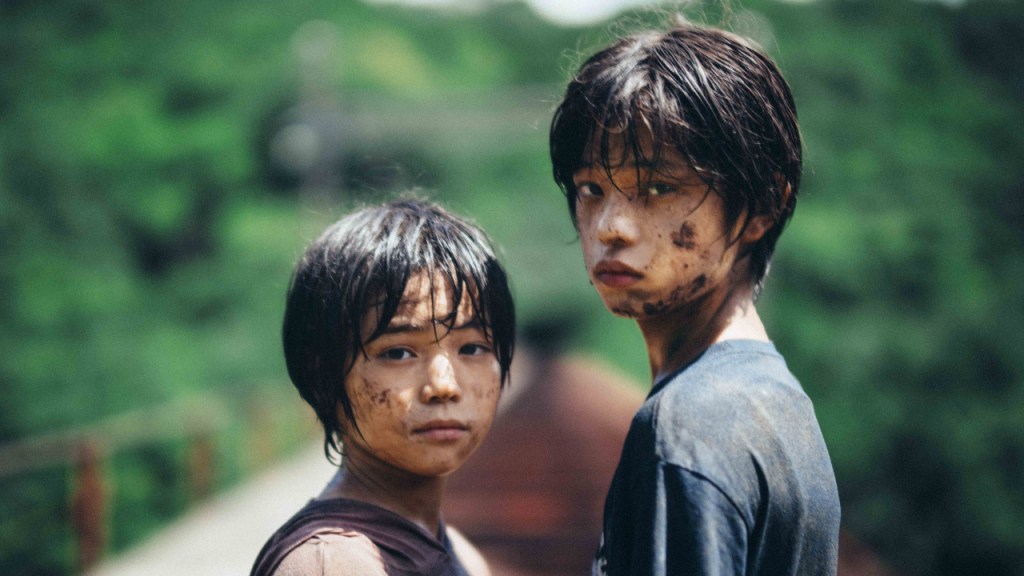
Monster is a Japanese drama about the danger of treating one’s own perception of reality as an objective truth. Kore-eda Hirokazu is a prolific director who’s decades long career has earned him numerous accolades. Most notably, he received the Palme d’Or, the top prize at the Cannes Film Festival, in 2018 for his film Shoplifters. Monster received two awards at this year’s festival, Best Screenplay and the Queer Palm, an independently sponsored award that celebrates films with LGBT themes and characters.
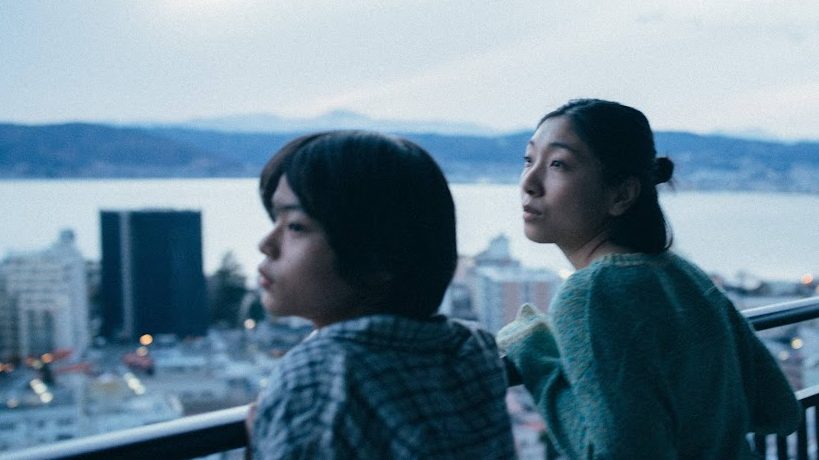
Best Screenplay went to Monster for its surprising use of non linear storytelling and multiple protagonists. This method of writing runs the risk of becoming convoluted or repetitive, but screenwriter Yuji Sakamoto expertly uses each turning point in the film to reveal new information challenging our misconceptions. The film opens on an escort bar engulfed in flames, a set piece that is repeatedly used to anchor the film’s three timelines. Saori, a single mother played by Sakura Ando, struggles to support her only son, Minato, in the wake of his father’s death. The two watch the blaze from the safety of their apartment balcony. Minato asks his mother if you replace a human’s brain with that of a pig, are they still a person or a monster? Shocked by his strange behavior and evidence of physical injury, Saori confronts the principal at Minato’s school demanding to know who is responsible for her son’s behavior.

Saori’s desperation to be a good parent for Minato fuels the film’s opening act. It’s through her perspective that the film’s major questions are introduced like: Who started the fire at the hostess bar? Is there something more sinister deep inside Minato? And perhaps most importantly, why did the school fail to protect Minato? Monster exposes the bureaucratic and cold nature of an education system that does not support children who fall outside of the “normal” range of behavior. The staff is more concerned with quelling Saori’s anger, casting her as a delusional and overprotective parent, than they are with supporting Minato or punishing his teacher. They offer her a disingenuous apology rather than anything actionable. Saori’s rage reaches a boiling point when she demands the school fires Mr. Hori, who she believes is the one who hurt Minato and accused him of having a pig brain. Earlier in the film, Saori expresses judgment when she learns Minato’s teacher is a regular at the escort club, filled with preconceived notions about the type of men who frequent those establishments. This prejudice allows her to easily make the leap into accusing Mr. Hori of abusing her son, without any interest in learning the truth. This speaks to the film’s larger questions about assigning motive and intent to people’s actions without regard for their own humanity. How easily we can dehumanize others, casting those we have disagreements and misunderstandings with as simply monsters.
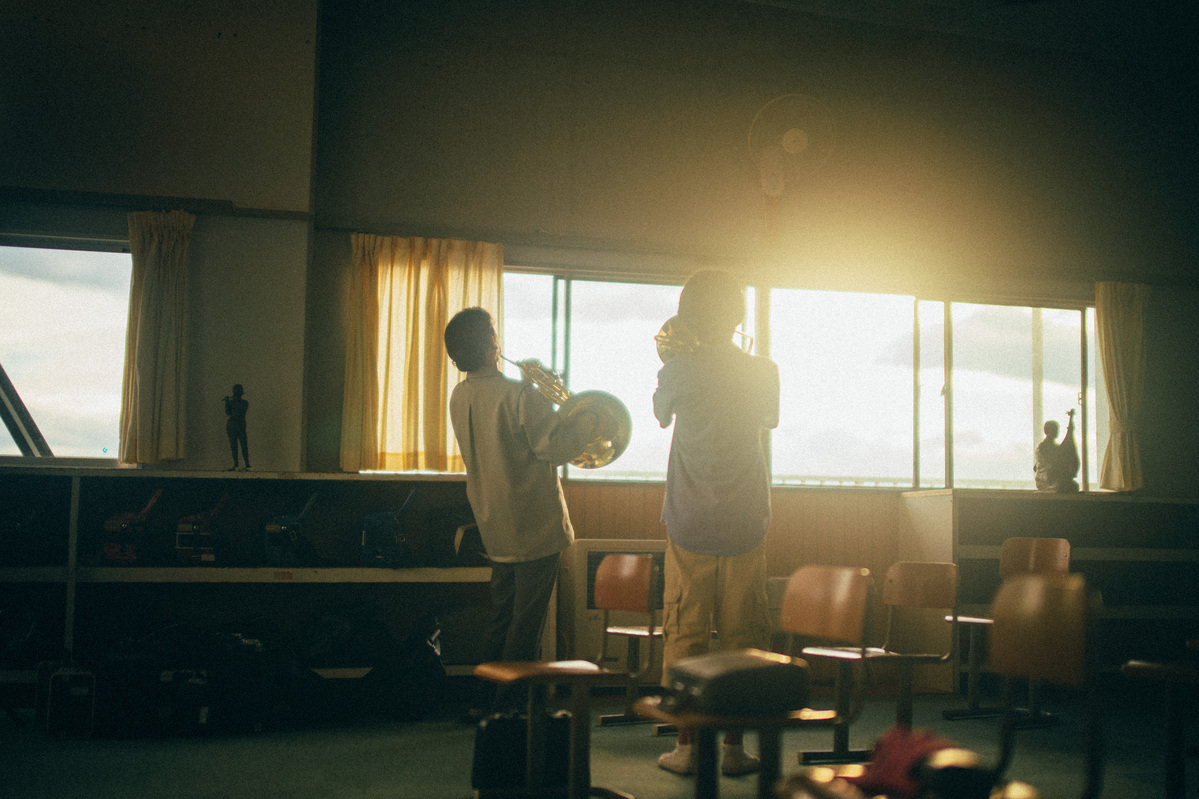
Mr. Hori is placed in the driver’s seat for the film’s second act, putting the audience directly in the shoe’s of the film’s first “monster”. We see Mr. Hori out on a date with an escort where they both witness the club burning to the ground. Mr. Hori is kinder and gentler here than Saori’s perception would have you believe. He has genuine feelings for the escort he’s seeing and expresses to her how deeply he cares for the safety of his students. It is revealed that his student Yori has been bullied heavily by Minato’s friends. Despite considering Yori a friend, Minato is complicit in his abuse, distancing himself from him while at school. Until one day during homeroom, Minato has an outburst, screaming and throwing the belongings of his classmates around the room. Mr. Hori rushes in, grabbing Minato in an attempt to calm him down. This is the incident that causes Mr. Hori to accidentally shove Minato, resulting in the injuries we see earlier in the film. We also learn that the “pig brain” insult did not come from Mr. Hori, but instead from Yori’s abusive father. Minato internalizes this fear of being a monster after witnessing the mistreatment Yori experiences. Ultimately neither of these truths seem to matter as Mr. Hori is publicly shamed as an abusive teacher. His image and name are plastered on the front page news, an indictment of a culture where one out of context moment has the ability to define our whole lives.

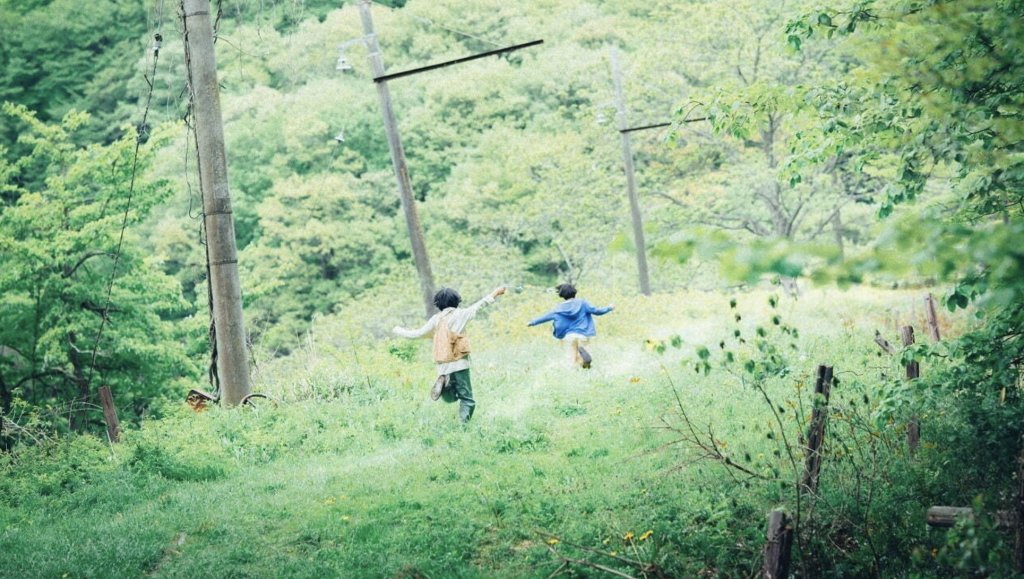
Monster ends with Minato’s perspective, rounding out the film’s interwoven storylines. It is here that the audience learns the truth about what’s really eating at Minato. He has developed a crush on his classmate Yori and not knowing where to place these feelings, Minato has retreated into himself. His love for Yori is thwarted by his fear of being harassed in the same way he was previously complicit in. The heteronormative culture both boys were raised in limits their ability to imagine a future for themselves. The environment and narrative created by his teachers, friends, and parents do not allow for any deviation from the norm and Minato has learned first hand how those who fall outside those boundaries are treated. The film is critical of the subtle power words have to dehumanize and destroy the lives of others, even if there’s no malice behind the individual’s intention. Monster proposes that the narratives we collectively accept serve only to control behavior and limit empathy towards those who we do not understand.


 Reel Take
Leave a comment