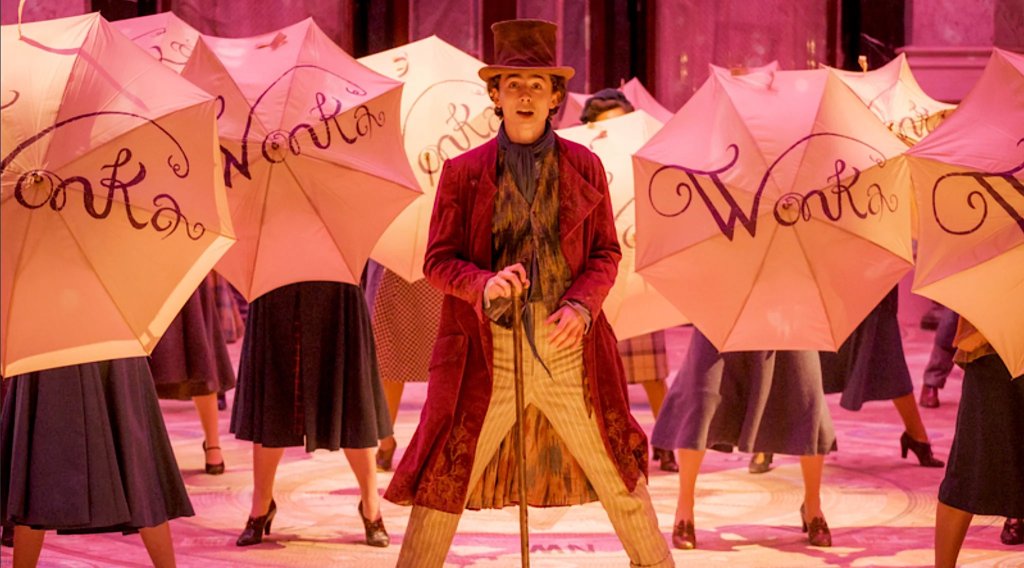
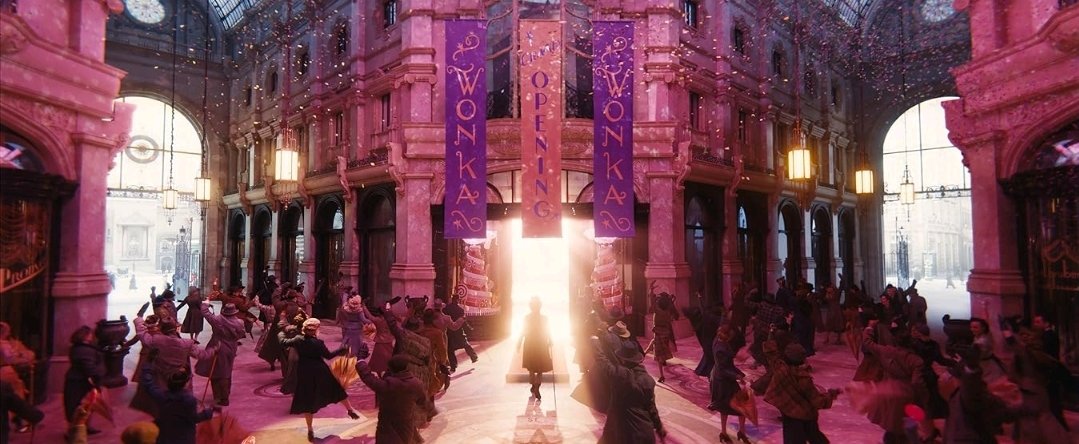
Wonka is a magical movie musical celebrating those who dare to dream against all odds. The film, directed by Paul King tells the origin story of Willy Wonka before he became the eccentric chocolate factory owner we know from Roald Dahl’s novel Charlie and the Chocolate Factory. Wonka stars Timothee Chalamet as the young chocolatier, who sets sail for the big city, with little more than a handful of silver coins to his name. Wonka has dreams of opening his own chocolate store in the exclusive Galeries Gourmet, however his arrival threatens rival businesses backed by the corrupt chocolate cartel. They use their power and influence to stifle the competition and unleash the police department on Wonka, preventing him from selling his wares on the street. With no money and nowhere else to stay for the night, Wonka is offered a residence with the local laundry owner, Mrs. Scrubitt, played by the wickedly talented Olivia Colman. After failing to read the fine print in their agreement, he is entrapped by Mrs. Scrubitt, forced to scrub clothes until he has paid off his debts. Wonka then teams up with Noodle, a young orphan also held captive by Mrs. Scrubitt, to devise a plan to win her freedom and achieve his dreams.
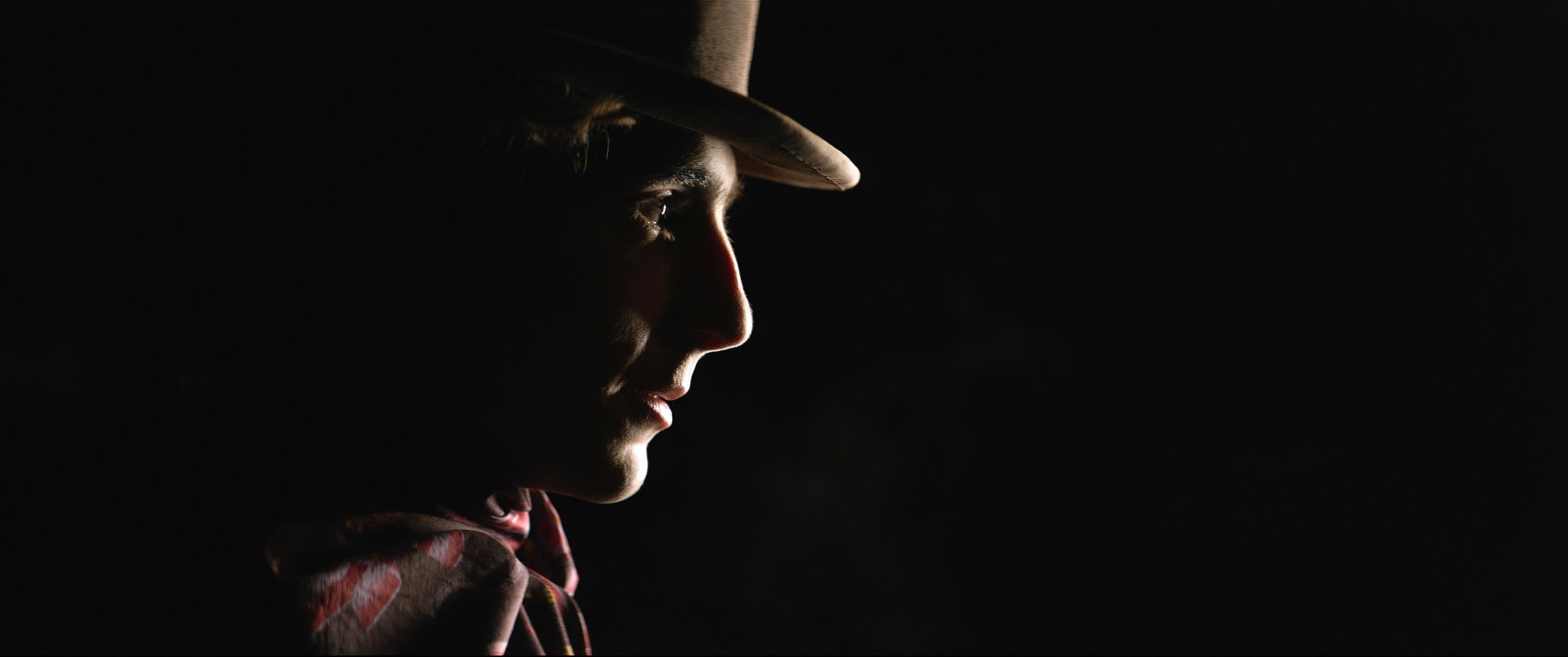
This film sets itself apart from Willy Wonka and the Chocolate Factory (1971) mainly by focusing on Wonka as a young inventor, still figuring out the kinks in his candy. Perhaps it’s his unrefined genius that makes this the most sincere and kind-hearted depiction of the character. Chalamet’s Wonka is more naive than his cynical Gene Wilder or Johnny Depp counterparts, there’s a sweetness to the way he approaches the world despite the cruelty he faces in return. He is also more magician-like than his previous two on screen depictions, with his tricks delightful rather than vengeful. The 1971 movie unfolds like a morality play in the way that each child is punished for their greed and selfishness. In Wonka, there’s still plenty of evil in the world and the bad guys get what’s coming to them, but this version of the character seems incapable of being dragged down to the level of his competitors. This difference is most exemplified by Wonka’s relationship with Noodle, an intelligent and resourceful young girl.
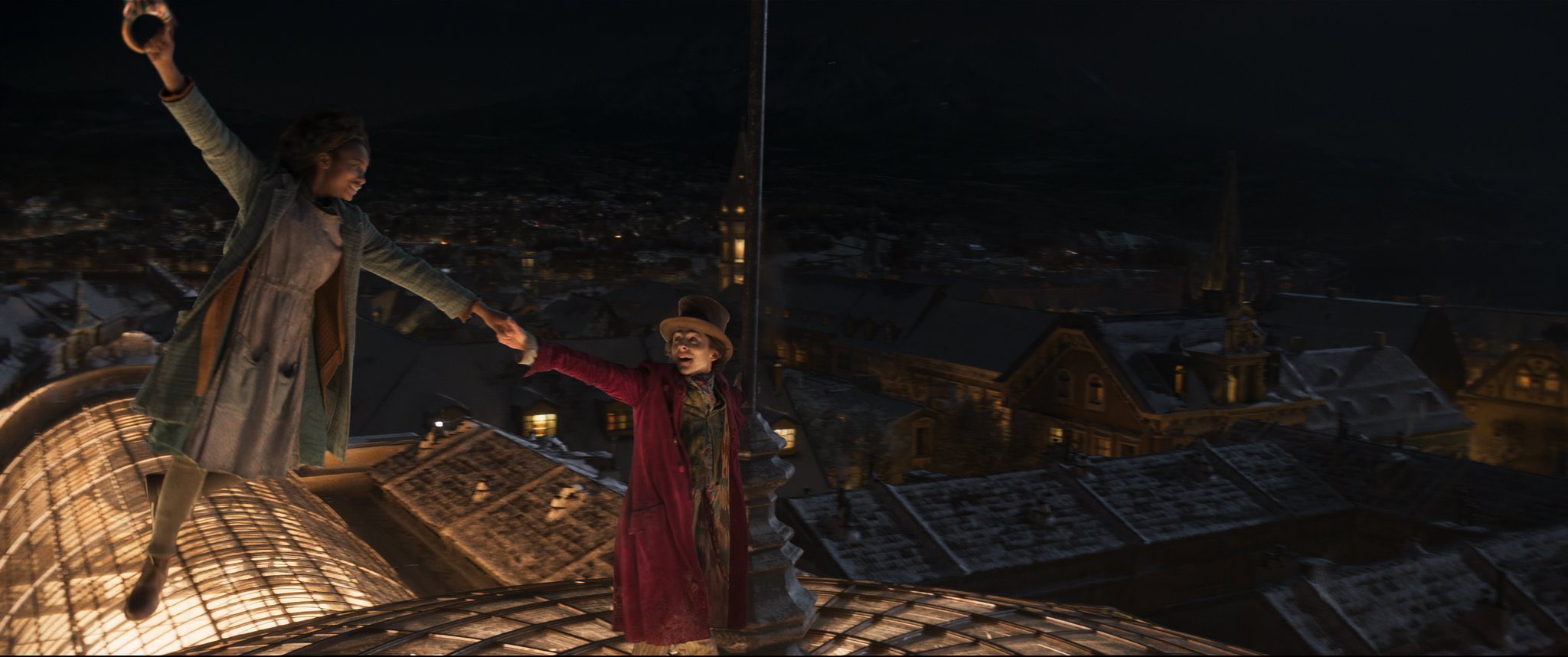
When you rewatch Willy Wonka and the Chocolate Factory, you get the impression that Wilder’s Wonka does not like children in the slightest and is only begrudgingly attempting to find a suitable successor. Chalamet’s Wonka in contrast possesses all the wonder and unbridled optimism one would expect from a child. Notably Wonka cannot read and in exchange for crafting an escape plan, Noodle offers to teach him how. The respect and love Wonka develops for Noodle is unlike anything you would find in the 1971 film. The two share a bond over being orphans and outcasts that inspires the ragtag crew of imprisoned laundry workers to help them to achieve their freedom. Noodle is a valued voice of reason, never relenting in her belief in Wonka’s dreams. Unlike the mentorship developed with Charlie at the end of the 1971 film, Wonka trusts Noodle wholeheartedly to help realize his vision, never needing to test or trick her into proving herself.
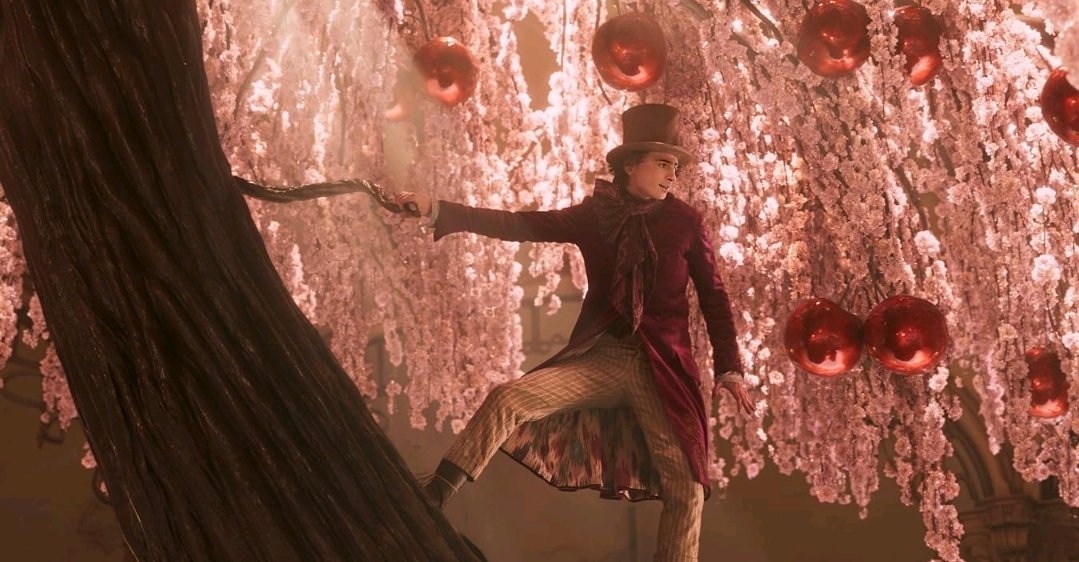
Wonka is unapologetically a movie musical, despite the recent trend in marketing to hide this aspect from trailers and promotional materials. This is a shame, because while it doesn’t exactly reinvent the wheel here, the soundtrack and dance numbers are absolutely enchanting to watch on screen, reminiscent of the golden age of Hollywood’s movie musicals. Wonka contains new renditions of classics like “Pure Imagination” sung by Chalamet and “Oompa Loompa” performed by Hugh Grant who stars as the film’s primary little orange man. “A Hatful of Dreams” is Wonka’s sweeping opening number that introduces us to Wonka’s carefree attitude which is inherently at odds with the world he arrives in. It perfectly captures Wonka’s nature and succinctly summarizes his chocolate dreams. “Scrub Scrub” is a fun and jazzy dirge that stands out for making the most of the film’s supporting ensemble cast. The antagonist’s theme “Sweet Tooth” is by far the best song in the whole film, all four performers absolutely nail the goofy, yet threatening nature of these candy barons. Keegan-Michael Key, the chief of police and object of their serenade, really gets to shine here, showing off his physical comedy skills, as the three businessmen tango around him. Movie musicals are not for everyone, but I think omitting this aspect of the film from marketing is a mistake and does nothing to encourage audiences to broaden their tastes. Wonka was so clearly crafted by a team of songwriters, choreographers, and performers that have a deep reverence for the movie musical and it’s a shame their work is being undermined by deceitful marketing.

Wonka is a feel good, family film remnant of the kind of movie studios would reliably release each holiday season. It’s refreshing to see, not because it does anything new or inventive, but because it so successfully embodies the hallmarks of a blockbuster from a bygone era. I’m left wondering if there’s still room for crowd pleasers like Wonka as audience interests become increasingly splintered, niche, and distracted. Ultimately Wonka shines despite this. Chalamet’s star power, the film’s soundtrack, and the committed ensemble cast work seamlessly to deliver a bombastic showstopper with a simple yet effective message. Everything worthwhile in this world began with a dream, but the real power of our dreams lie in their ability to inspire and uplift those around us to believe a better world is possible.


 Reel Take
Leave a comment