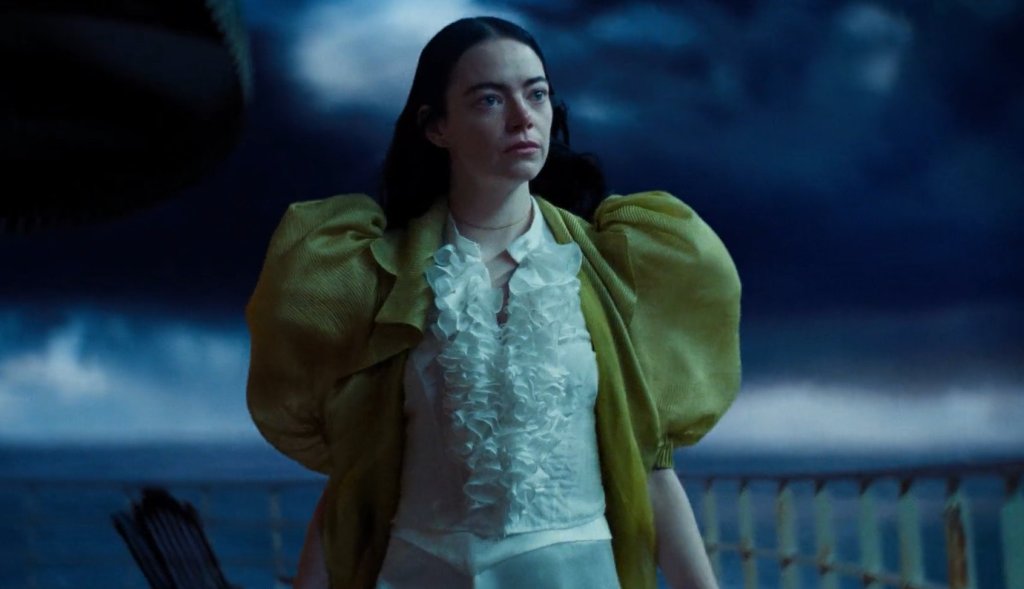
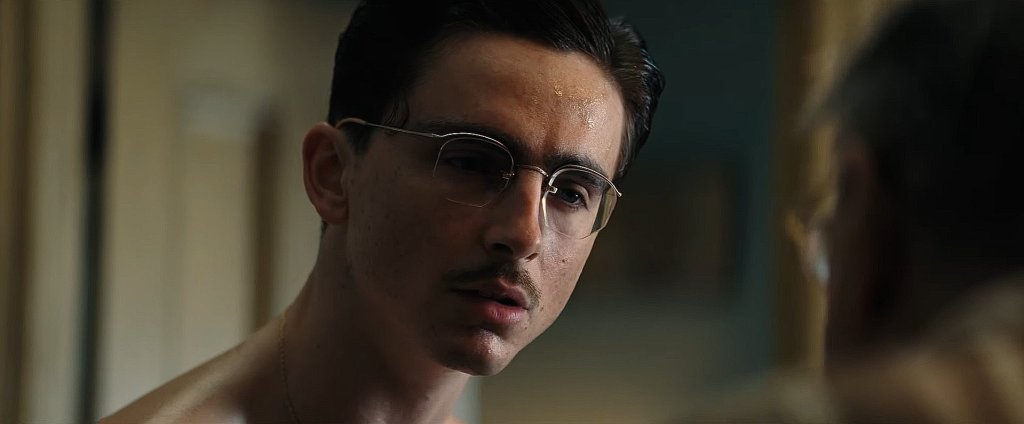
Poor Things is a sweeping, technicolor odyssey about one woman’s journey to self realization. The latest from visionary director Yorgos Lanthimos is an absolute triumph in filmmaking. The film stars Emma Stone as Bella Baxter, a grown woman reanimated with a child’s brain by a Dr. Frankenstein-like figure, Dr. Godwin, played by Willem Dafoe. As Bella is increasingly exposed to life outside Godwin’s laboratory, her desire for freedom and exploration grows. Facing an impending engagement with Godwin’s apprentice, Max, Bella flees for an adventure across the European continent with Duncan Wedderburn, played by an undeniably charming Mark Ruffalo. Duncan becomes infatuated with Bella’s unbridled curiosity for the world and seeks to exploit and control her naive nature.
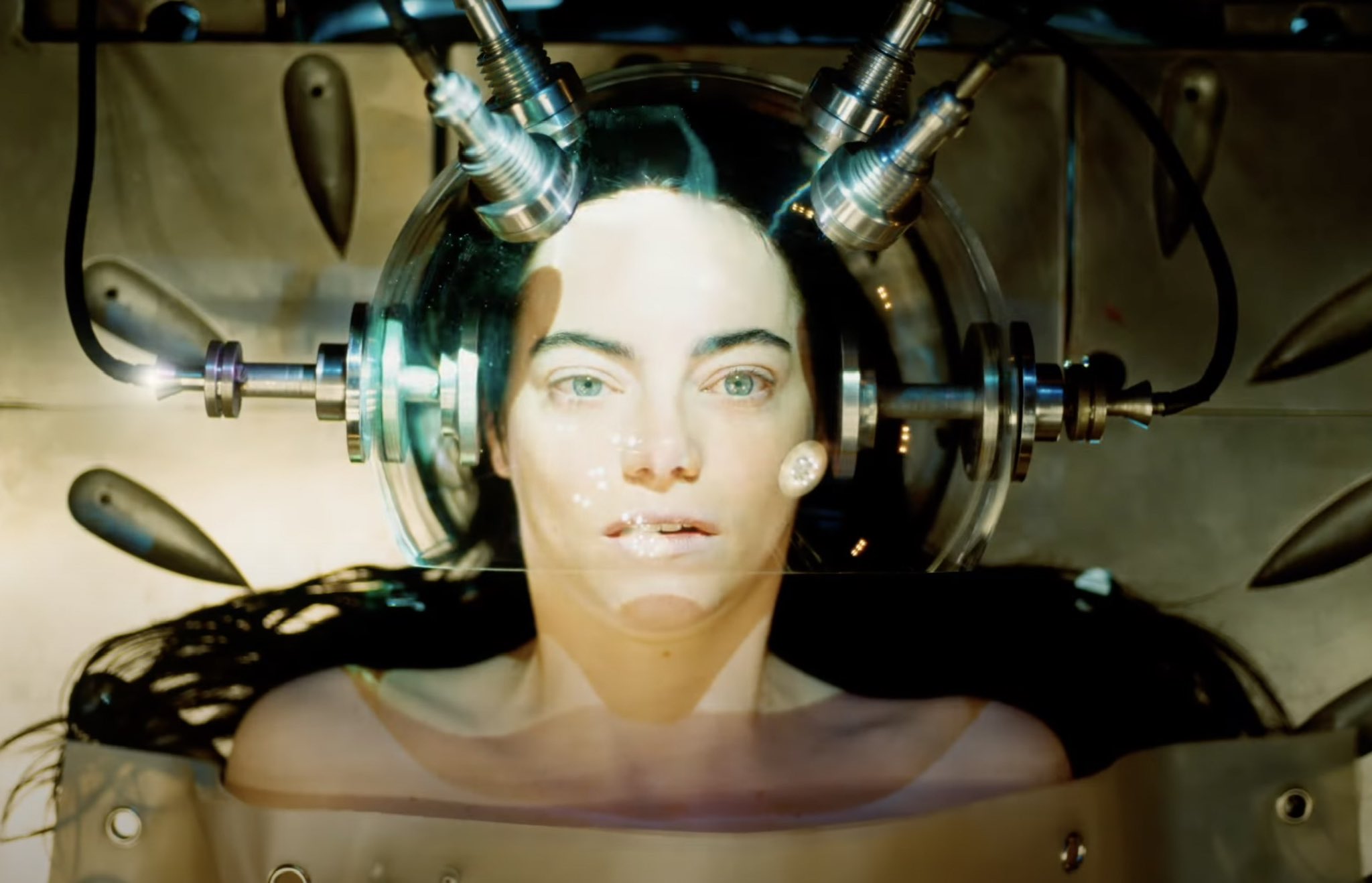
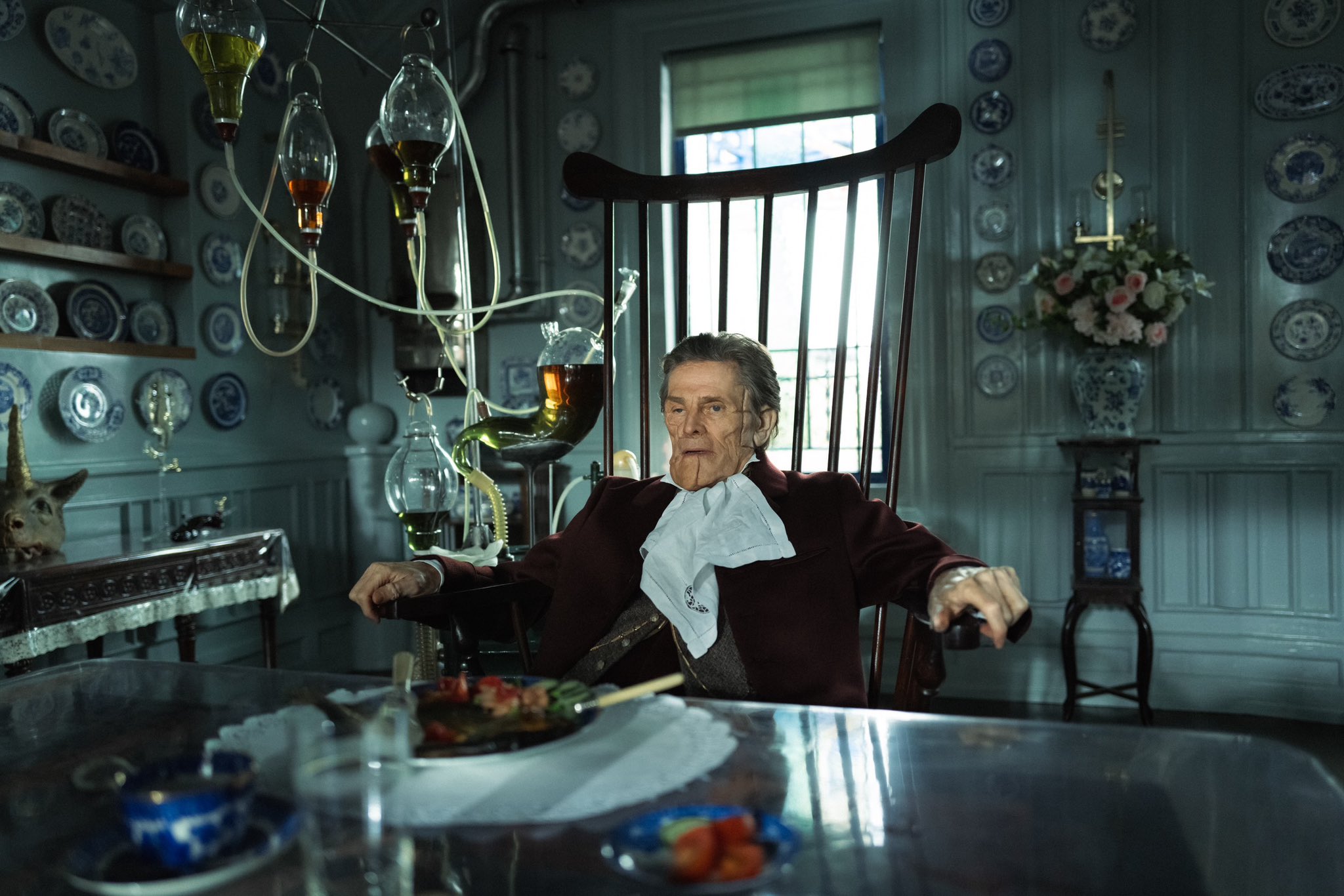
The world Lanthimos has created in Poor Things is an absolute delight to witness. Few other directors have such a singular and exacting vision with the ability to craft a bizarre, yet convincing world. When we are introduced to Dr. Godwin, his monstrous creations of mismatched animals run rampant throughout his laboratory. The sense of horror typically associated with acts against nature is immediately alleviated by the sounds of a clucking dog-chicken or oinking duck-pig. These absurd creations are meant to be viewed with wonder, not fear, which goes a long way in building empathy towards Bella, a woman who naturally should also not exist. Dr. Godwin is an eccentric man, covered in facial scars, who himself is treated like a monster by those around him. He clearly has a paternal love towards Bella, always wanting the best for her, but his own fear of the outside world prevents her from living a life of her own. Dr. Godwin often refers to Bella as simply an experiment as a way to distance himself from her humanity, but this is undercut by the revelation that Godwin was experimented on and tortured by his own father, another man of science. Dr. Godwin ultimately recognizes Bella as a being of free will and despite his fear, agrees to let her go.
When the film enters its second act, the black and white world of Dr. Godwin’s lab fades away transforming into a saturated world of color and light, a la The Wizard of Oz. Bella arrives in a whimsical version of Lisbon, thrilled at the opportunity to eat new foods, try on new clothes, dance, and perhaps most importantly she learns that she loves having sex. This is a pivotal shift for Bella, as previously she was not afforded the agency necessary to pursue sexual desire. Earlier, at the lab, Bella discovers masturbation and is immediately shamed by her fiance Max, who admonishes Bella for her immodesty. Duncan is a passionate lover that Bella can freely explore her sexuality with, but it comes with a catch. Part of why Duncan is attracted to Bella is due to her ignorance about the world; he infantilizes and patronizes her, hoping to keep her just for himself. Although Bella is free to explore the world now, she is still imprisoned by her relationships to the men in her life. When her desires turn from the carnal to the intellectual, she loses interest in being the object of Duncan’s affection.

Emma Stone gives a career defining performance in this role. The way Stone is able to shape Bella’s journey from incoherence to self actualization is absolutely remarkable. Each step in that journey feels natural and well earned, it is truly a pleasure and endlessly entertaining to watch Bella adjust to the wider world. The work Lanthimos and Stone put into developing this character is entirely evident on screen. Every single line delivery is well conceived based on where Bella is at in her journey and the physicality Stone embodies as this character shows a commitment few other actors possess. There’s a level of care brought to her characterization that never feels like punching down or making a mockery out of individuals with developmental disabilities. Stone is supported by a talented cast of actors. Dafoe delivers, bringing heart to the unlikely god figure who in any other version of this story would be cast as the villain. Instead there’s a warmth to Dr. Godwin as he experiences the same awe and wonder the audience has towards Bella. Ruffalo is firing on all cylinders in this performance, he has some of the funniest lines in the film as Bella’s foil. It is a great reminder of how talented of an actor Ruffalo is when he’s not playing an eight foot tall, green monster of his own.
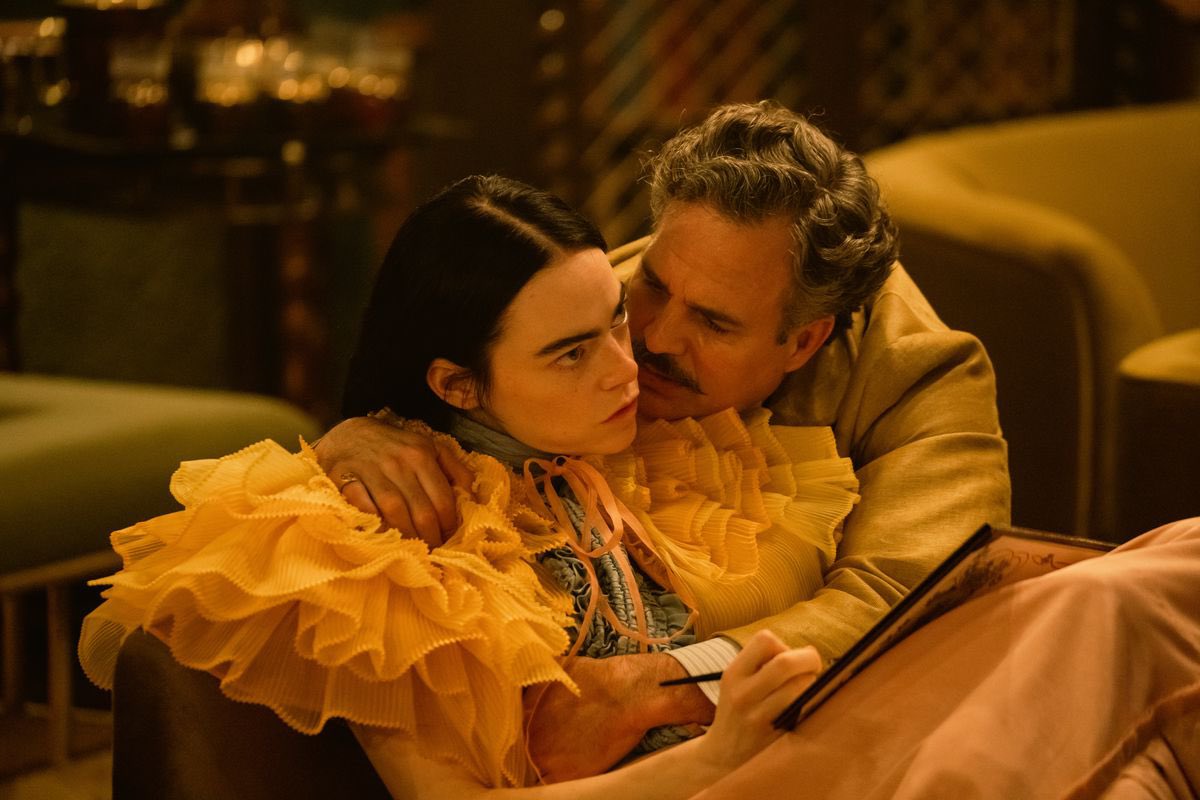
Poor Things presents the audience with a strong feminist message, chastising men for their need to control and limit what women are allowed to experience. All of the male characters in the story attempt to manipulate Bella to their own ends, each failing to respect her wants and desires. The need for power and control is portrayed in direct opposition to the beauty that comes from freedom of expression. Poor Things is ultimately a fairy tale about finding one’s own way in the world. It’s about the power, joy, and even pain that comes from experiencing everything life has to offer with a fresh set of eyes and without prejudice. The desire to shed one’s ignorance in spite of the world’s horrors is celebrated as a noble and worthwhile one, yet Lanthimos cautions us against the cynicism that can surface as a result. Cynicism and ignorance are presented as cooperative forces that lead to inaction and therefore human suffering. We must approach the world with light and curiosity if our goal is to improve society and the human condition at large.



 Reel Take
Leave a comment